Gadgets / Consumer Tech
In-depth reviews, breaking product releases, emerging trends in smartphones, wearables, smart home devices and everyday consumer hardware.
470 articles
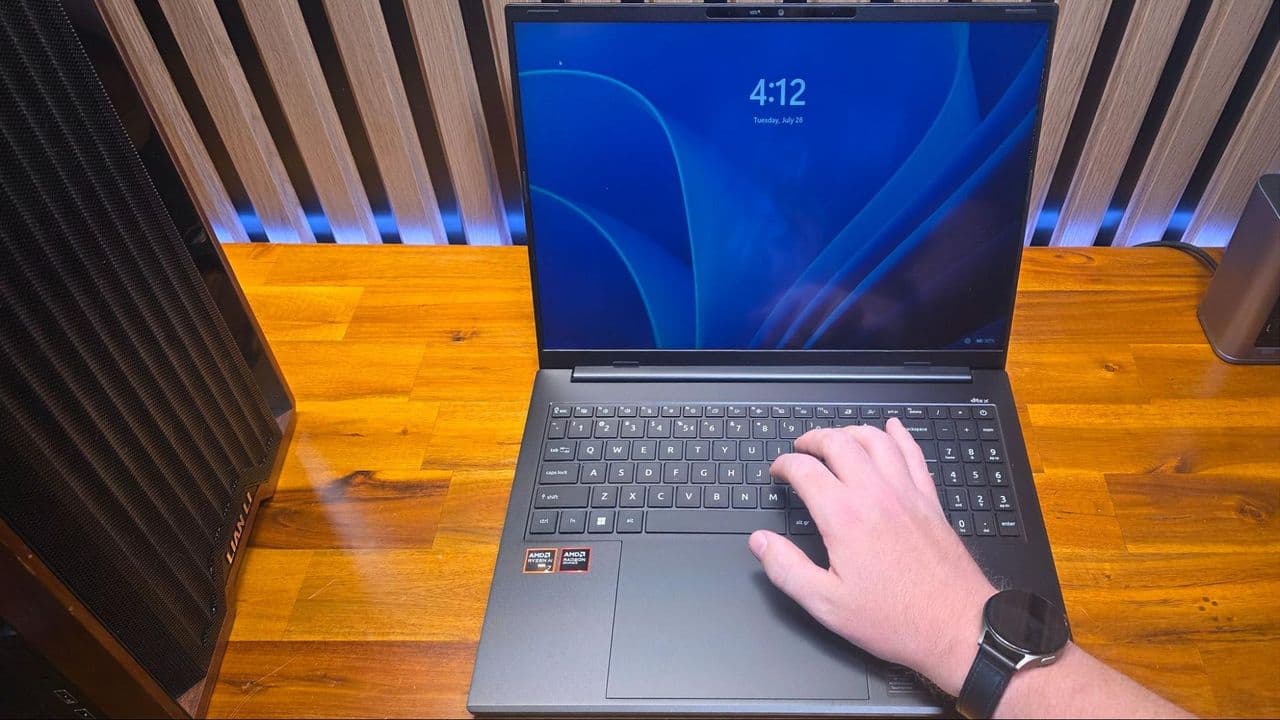
Magnetic Watch Bands Can Trick Laptop Lid Sensors and Lock Your PC
A Tom's Hardware reporter found that a magnetic watch band, specifically a Galaxy Watch 7 with clasp, triggered the lid sensor on an Acer Swift Go 16 AI laptop, causing Windows to lock the screen unexpectedly.

The Magenta Lie That Saved ThinkPad's Iconic Red TrackPoint
IBM designers renamed the TrackPoint's red color to magenta to bypass safety rules. Discover how a bold lie and an ad campaign saved the iconic ThinkPad feature.

The 4-6-8 Rule: A Practical Guide to Projector Setup
Learn how the 4-6-8 rule simplifies projector placement for optimal screen size and viewing distance. A practical guide for home theater enthusiasts.

Google Maps ETA Color Changes Signal Traffic Conditions
Google Maps changes ETA color to indicate traffic severity: green for normal, orange for moderate, red for heavy delays.

Robot Mower Exec Details Edge Cutting Challenge and AWD Trends
A Mammotion executive reveals why edge trimming remains a hurdle for robot lawn mowers even as all-wheel drive and smaller models gain ground.
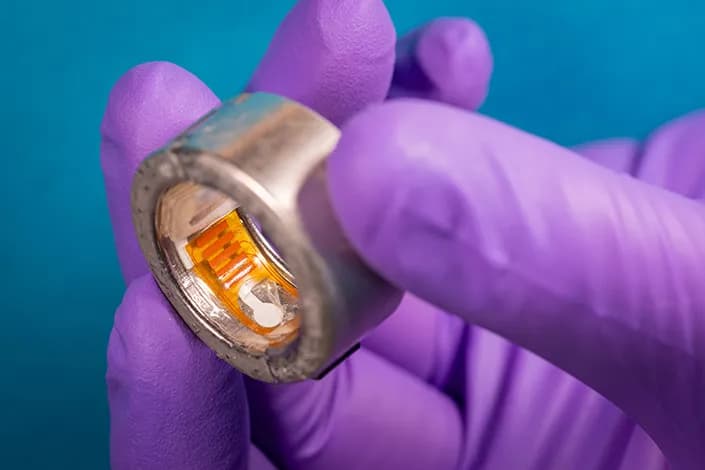
Sweat-Powered Smart Ring Offers Needle-Free Glucose Monitoring
A new smart ring uses sweat to measure blood sugar, offering a painless alternative to finger pricks and CGMs for diabetes patients.

Roborock Saros 20 Raises the Bar for Premium Robot Vacuums
The Roborock Saros 20 robot vacuum combines powerful suction with smart navigation, but its high price may give buyers pause.

Light Phone Flip Targets Smartphone-Weary Consumers With Radical Simplicity
Light Phone launches a flip phone for users rejecting constant connectivity. The move aligns with a rising movement against Big Tech dominance.

Meta Smart Glasses Navigate Backlash and Utility on Honeymoon Trip
A real-world honeymoon test of Meta's smart glasses shows powerful utility alongside growing privacy backlash, with Meta rolling out firmware patches and Instagram bans to address concerns.

Tailscale Unlocks New Capabilities on Jailbroken Kindle Devices
Jailbroken Kindles gain VPN mesh networking through Tailscale, extending device utility beyond reading.

ReFrame Camera Brings EPaper Display to Photography
ReFrame launches an e-paper camera that captures and displays photos on a low-power screen, offering a unique tactile photography experience.

Nvidia GPUs Power More Than Gaming: Hidden Features Reshape Workflows
Nvidia graphics cards offer far more than gaming performance. From AI upscaling to video encoding, these features unlock new creative and productivity capabilities.

Honor Magic V6 Raises Bar for Foldable Durability and Battery Life
The Honor Magic V6 delivers industry-leading water resistance and a near-invisible crease, challenging long-held concerns about foldable fragility after months of real-world testing.

What Unlimited Cloud Storage Marketing Really Means for Users
Cloud storage providers advertise unlimited plans but enforce hidden caps through fair use policies and throttling. Here's what users need to know.
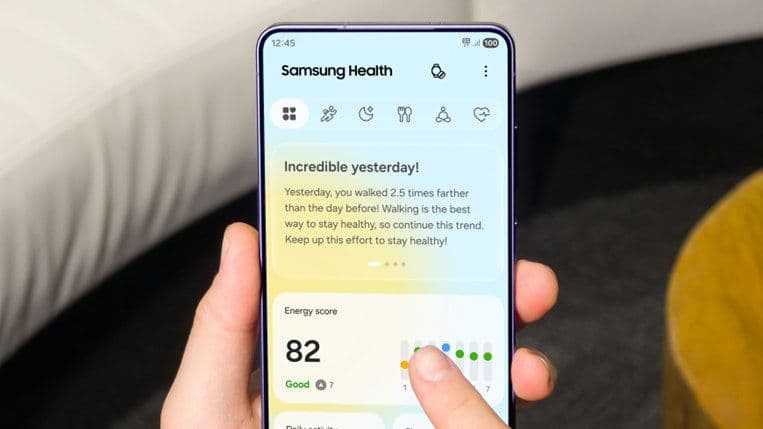
Samsung Pushes AI Health Despite User Trust Concerns
Samsung executives detailed their AI health strategy at Galaxy Unpacked, but user skepticism over data privacy remains high. The company emphasizes opt-in controls.

Smartphone Overheating: What Causes It and How to Cool It Down
Modern phones overheat from intense use and charging. Learn simple methods to cool your device without powering it off and protect battery health.

ASUS Laptop Longevity: What Owner Reports Reveal
ASUS laptops typically last 4-6 years based on owner reports. Build quality and usage patterns significantly affect longevity.
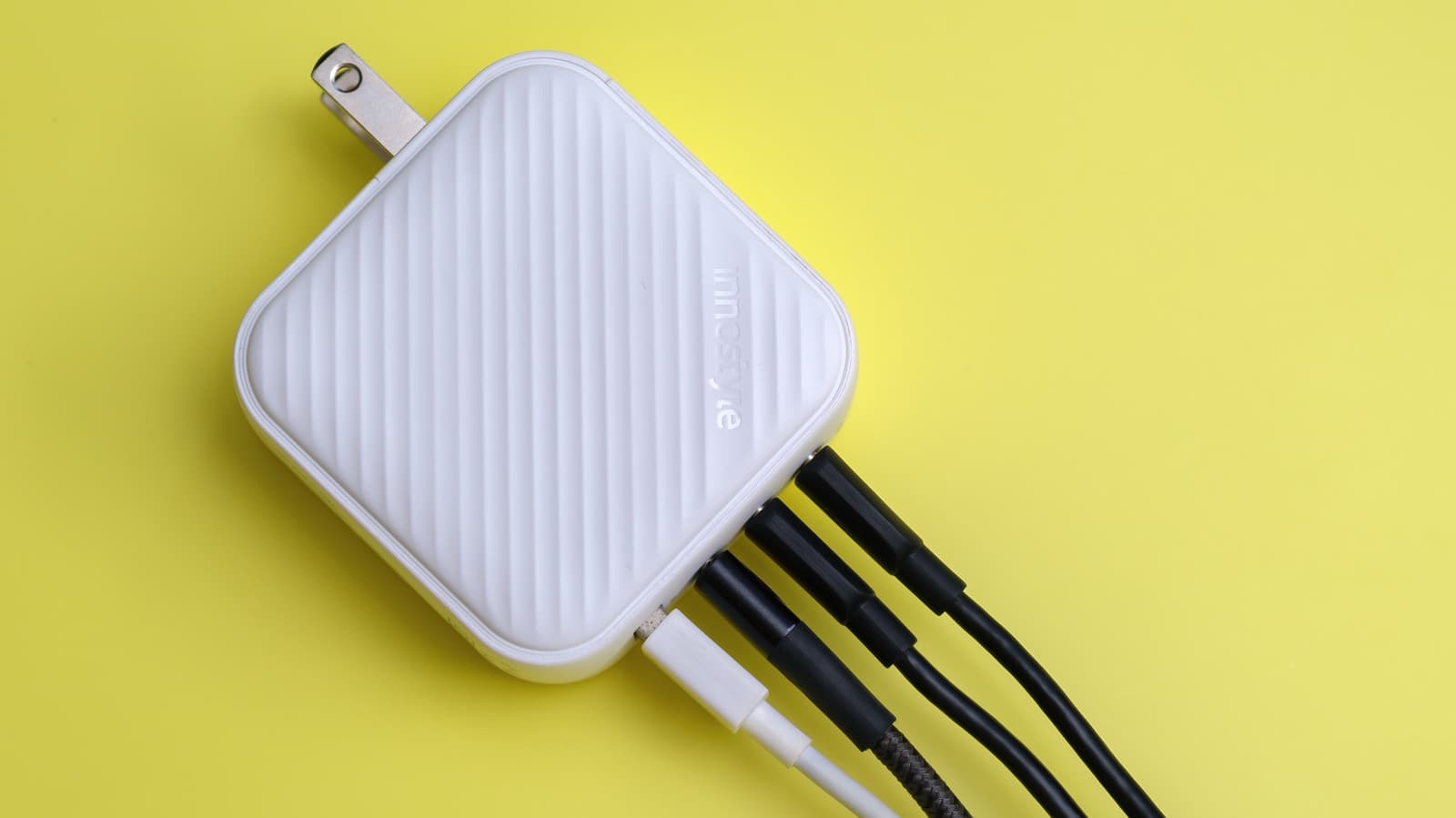
GaN Chargers: What That Label Really Means and Why It Matters
GaN technology enables smaller, cooler and more efficient chargers. Here's what the label means and whether it's worth the extra cost.

Open-Source 3D-Printed MRI Scanner Uses AI to Bridge Cost and Quality Gap
A 3D-printed MRI built for under $70,000 uses AI to overcome low-field limits, aiming to expand access to medical imaging worldwide.