Senior Editor: Alan Agbele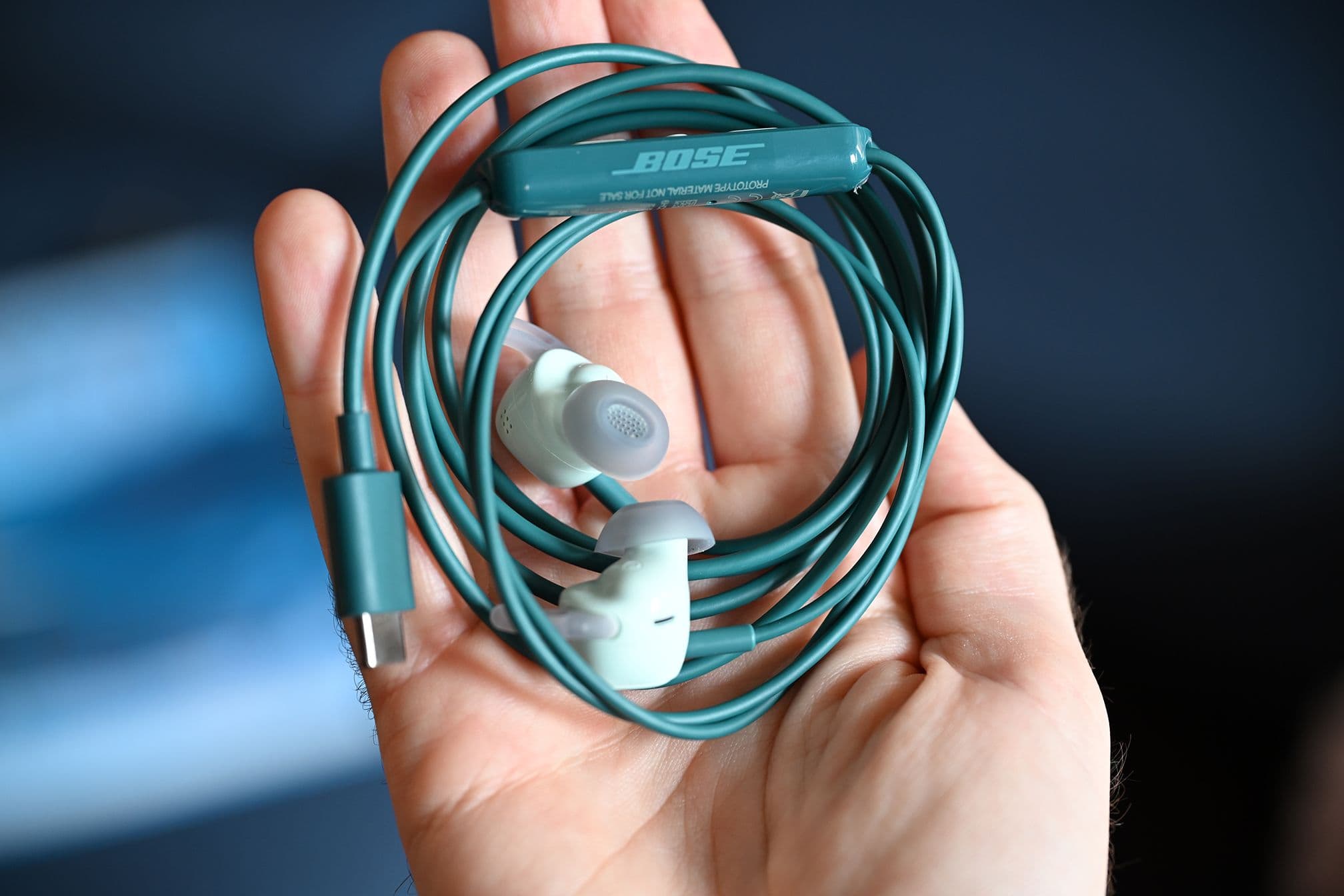
Bose has introduced its first wired earbuds in more than a decade, ending a long absence from the corded audio market with a product designed specifically for younger listeners. The Bose Noise Cancelling Wired Earbuds reflect a strategic pivot for the company, which has focused heavily on wireless audio since 2015. The new model arrives as a growing number of teens reject Bluetooth earbuds in favor of the reliability and simplicity of a wired connection.
A Return to Wired Audio
The last time Bose released a wired earbud was 2015, a period when the industry was rapidly shifting toward Bluetooth. Since then, the company has concentrated on wireless products like the QuietComfort and Sport series. The new wired model breaks that pattern entirely. By designing the earbuds around active noise cancellation, Bose ensures users can block out ambient sound without relying on digital processing that can introduce latency or drain a battery.
Early impressions of the Bose Noise Cancelling Wired Earbuds highlight a design that prioritizes comfort and durability. The cable is reinforced to reduce tangling, and the inline microphone supports hands-free calls. A standard 3.5mm jack makes them compatible with most smartphones, laptops and gaming consoles, giving them a versatility that Bluetooth earbuds sometimes lack due to codec restrictions or pairing issues.
Why Teens Are Driving a Wired Comeback
The decision to target teenagers is not arbitrary. Social media platforms, particularly TikTok, have seen a resurgence of wired earbud advocacy among Gen Z users. Many cite the impracticality of keeping wireless earbuds charged, the frustration of losing small cases and the superior audio quality of wired connections. Bose appears to have taken note of these grassroots preferences and responded with a premium option that competes with both its own wireless lineup and budget wired alternatives from brands like JBL and Sony.
This trend also aligns with a broader cultural shift away from constant connectivity. A wired earbud imposes a physical tether to the device, which some users find liberating rather than limiting. For Bose, the move hedges against the risk of an oversaturated wireless market while tapping into a demographic that values practicality over convenience.
Why This Matters
Bose’s reentry into wired earbuds carries implications beyond one product launch. It validates the notion that consumer preferences are not moving uniformly toward wireless. For the audio industry, this could encourage other premium manufacturers to revisit wired designs, potentially increasing options for users who feel overlooked by the Bluetooth-first trend. For Bose, success with this model could open the door to a new product line that coexists with its wireless offerings rather than replacing them. Buyers, however, should be aware of a key trade-off: the wired design limits freedom of movement and requires a device with a headphone jack, which fewer smartphones include each year.
Still, the Bose Noise Cancelling Wired Earbuds represent a meaningful choice for listeners who prioritize sound quality, reliability and battery-free operation. Whether they signal a lasting shift or a niche revival, they demonstrate that corded audio still has a voice in the conversation.