Senior Editor: Alan Agbele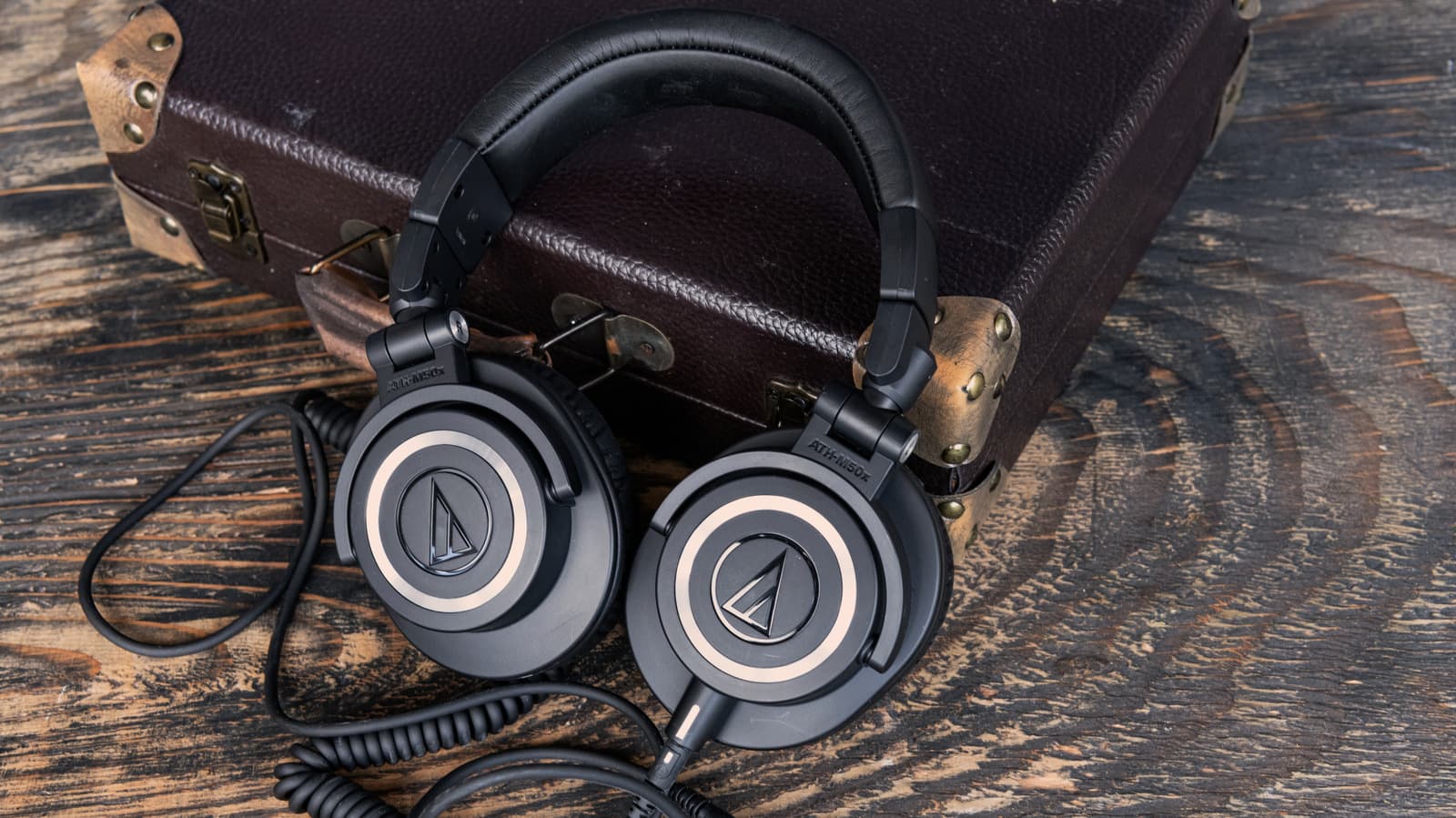
Many listeners blame their headphones when bass feels thin or hollow. The hardware is often not the real culprit. A mix of physical fit, personal anatomy and digital compression can make perfectly capable drivers sound weak.
Common Culprits Behind Weak Bass
The Reasons Why Your Headphones produce insufficient bass often fall into three categories. Each one can be addressed without buying new gear.
When bass sounds worse than it actually is poor audio source quality can amplify the problem. Low-bitrate files lack the dynamic range needed for deep bass reproduction. Switching to a lossless or high-resolution streaming tier often reveals bass that was always present in the hardware.
Why This Matters
Consumers who replace headphones based on perceived bass weakness may waste money on gear that does not solve the root cause. The headphone industry benefits when buyers upgrade more often but the real issue is often a simple fix related to fit or EQ. Understanding these factors gives listeners more control over their listening experience and reduces unnecessary electronic waste. Retailers and audio brands that educate customers about seal and codec compatibility can build trust and reduce returns. As wireless audio continues to dominate, codec transparency will become a more important factor in headphone satisfaction.
How to Improve Bass Without Buying New Headphones
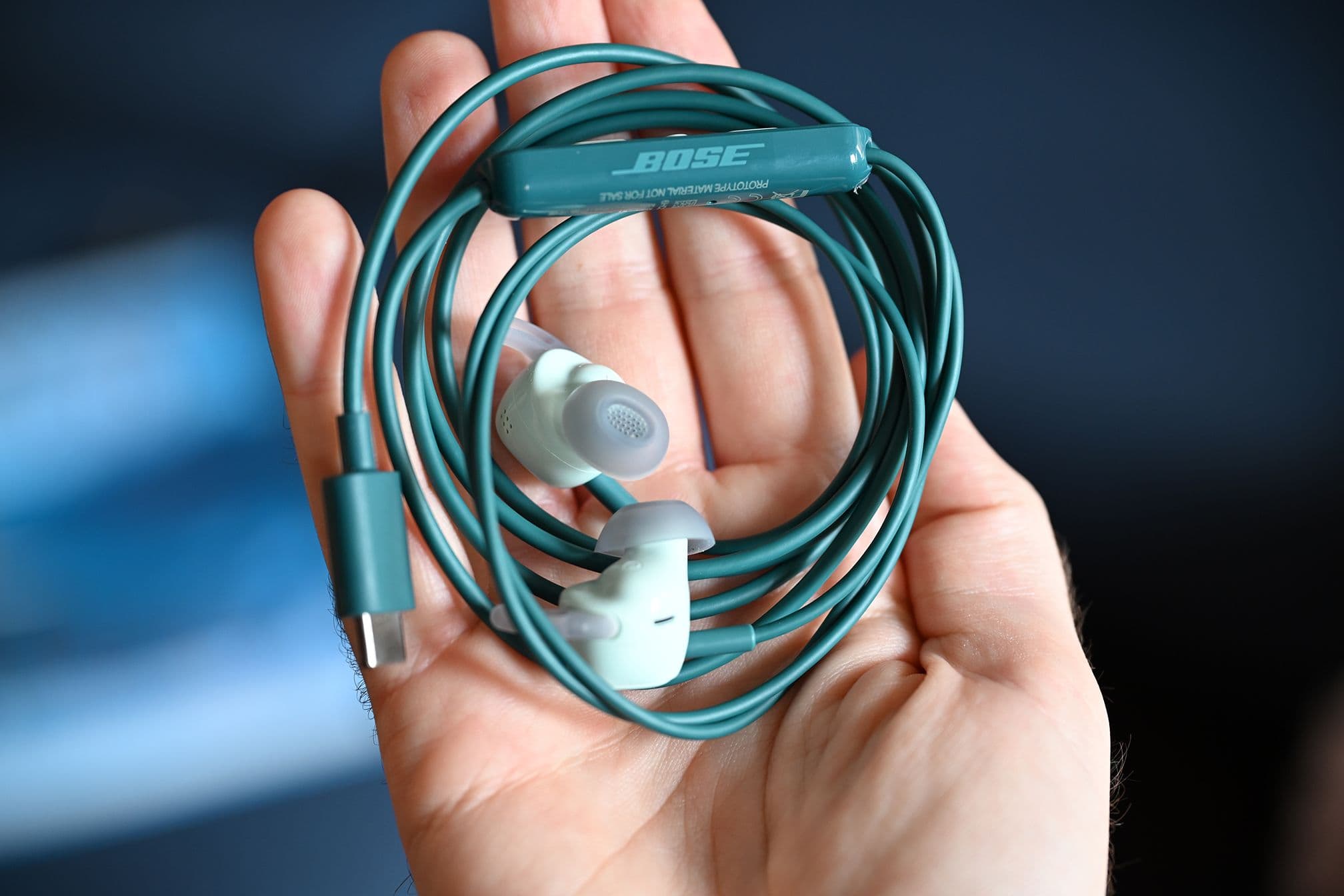
Before assuming the hardware is at fault try these simple steps. Adjust the headband or swap eartips to create a tighter seal. Use a graphic equalizer to boost the 60Hz to 100Hz range by 2dB to 4dB. On mobile devices disable any sound enhancement feature that compresses dynamic range. If you use Bluetooth headphones check whether your device supports a higher-quality codec such as aptX or LDAC and enable it in developer settings. These adjustments cost nothing and often deliver the bass performance that the headphones are actually capable of producing.