Senior Editor: Alan Agbele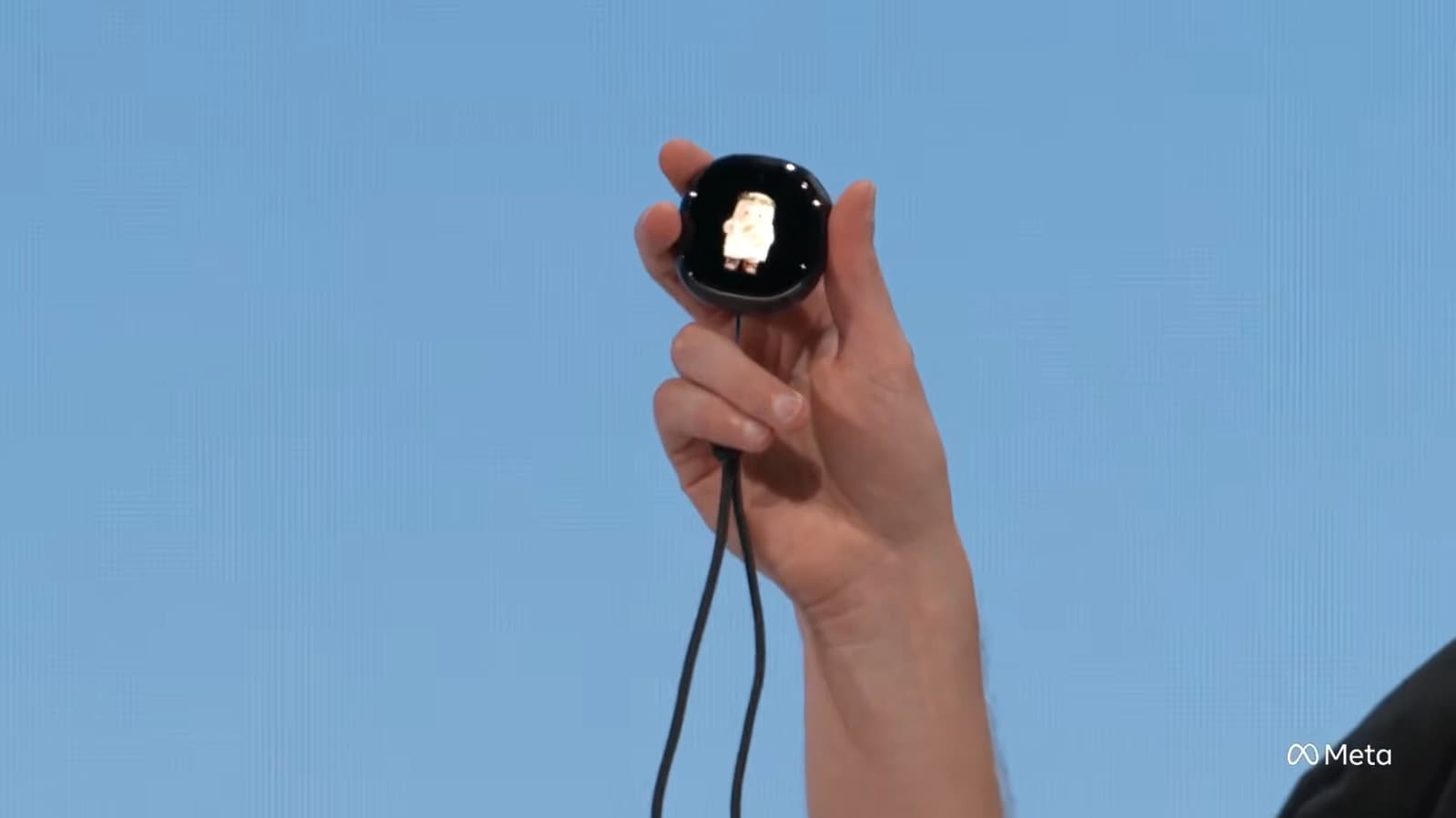
Meta has entered the crowded AI wearable market with a device that hangs from a keychain. The Meta Muse Charm, a compact AI-powered gadget, aims to offer hands-free assistance without the bulk of a phone or a dedicated AI pin. The company is showing off the device as a potential everyday companion, though many details remain under wraps.
The Muse Charm in Context
The Muse enters a market where several companies have tried to define the right form factor for an AI assistant. Rabbit's R1 and Humane's AI Pin each made headlines but faced questions about practicality and battery life. Meta's keychain approach addresses one common complaint: users often forget to bring a separate AI device. By attaching to keys, the Muse Charm is always within reach.
Although Meta has not disclosed full specifications, the device is expected to rely on voice commands and connect to a smartphone for data. It may also offer quick note-taking, reminders, and contextual suggestions based on location or calendar. The keychain form factor allows Meta to keep the device small while still including a microphone, speaker, and possibly a small display or LED indicator.
Why This Matters
Meta's hardware ambitions have grown steadily, from the Ray-Ban Stories smart glasses to the Quest VR headsets. The Meta Muse Charm represents a lower-stakes entry point for consumers curious about AI wearables. If it succeeds, it could normalize carrying an AI assistant at all times. If it fails, it will add to the list of devices that struggled to find a clear purpose beyond novelty.
The device also matters for Meta's broader AI strategy. The company has invested heavily in its Llama language model and needs hardware to showcase its capabilities. A keychain gadget with a simple interface could become a data collection point, feeding user interactions back into Meta's AI training. Privacy advocates are likely to watch closely how Meta handles voice data from such an intimate device.
How Muse Compares to Other AI Wearables
The keychain AI concept is not entirely new, but Meta's timing and resources give it an advantage. Here is how the Muse stacks up against similar products:
What to Watch For
The Meta Muse Charm has not yet received a release date or price. Early adopters should expect a limited rollout, likely through Meta's own channels. The key test will be whether the device delivers genuine utility or becomes another gadget that collects digital dust. For now, the Muse signals that Meta is willing to experiment with form factors that put AI literally in the user's pocket.