Senior Editor: Alan Agbele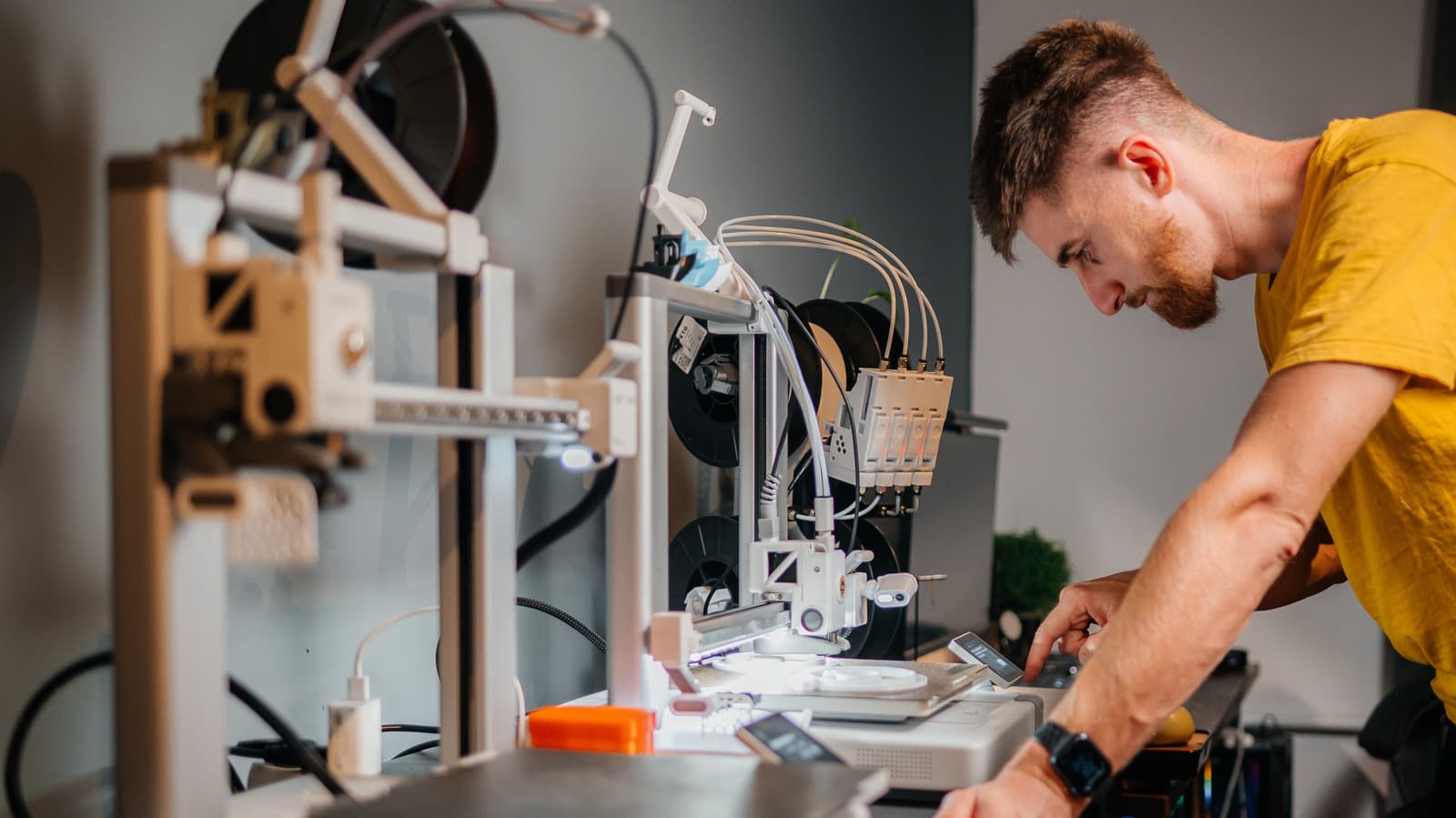
The promise of desktop manufacturing has seduced thousands of hobbyists, but a growing chorus of owners is voicing buyer's remorse over their 3D printer purchases. Market data and user forums reveal a pattern: initial excitement gives way to frustration when the machine's limitations become clear. The gap between marketing hype and daily reality is wider than many anticipate.
The Reality Gap Between Promise and Performance
Manufacturers often showcase perfect prints in glossy marketing, but the everyday output for a new owner rarely matches those images. The reasons why some people regret buying a 3D printer frequently boil down to an mismatch between advertised capability and actual results. Benchy boats and calibration cubes flood online galleries, but achieving that level of quality requires patience, software tweaks and sometimes hardware modifications.
The learning curve is steeper than many expect. Slicing software settings, bed leveling techniques and filament temperature profiles are concepts unfamiliar to most casual buyers. Without prior experience, a first print can fail spectacularly, leading to wasted material and lost time.
Hidden Costs and Maintenance Demands
The upfront price of a 3D printer tells only part of the story. Consumables, replacement parts and upgrades accumulate quickly. Common expenses include:
Beyond monetary costs, time investment is substantial. A single multi-hour print can fail near completion, wasting hours of effort. Maintenance tasks like cleaning the nozzle, leveling the bed and adjusting belt tension are routine but time-consuming.
Calibration Frustrations and Print Failures
Even experienced users report that a 3D printer's behavior can be inconsistent. Environmental factors such as room temperature, humidity and drafts affect print quality. A machine that worked perfectly yesterday may suddenly produce stringy layers or warped corners today.
Troubleshooting these issues requires a methodical approach and often community forum deep dives. For buyers who wanted a creative outlet, this debugging process can feel like an unpaid technical job. The gadget becomes a source of frustration rather than joy.
Why This Matters
The consumer 3D printing industry is at a crossroads. If manufacturers continue to market these devices as easy-to-use appliances while ignoring the steep learning curve, the wave of regret could suppress long-term adoption. Casual users who abandon their machines after a few weeks never become the repeat filament buyers or upgrade purchasers that sustain the ecosystem.
For the hobby to grow beyond enthusiasts and early adopters, companies must invest in better out-of-box experiences: pre-calibrated printers, intuitive software and clear troubleshooting guides. Until then, the reasons why some people regret buying a 3D printer will remain a cautionary tale for anyone tempted by the allure of desktop fabrication.