Senior Editor: Alan Agbele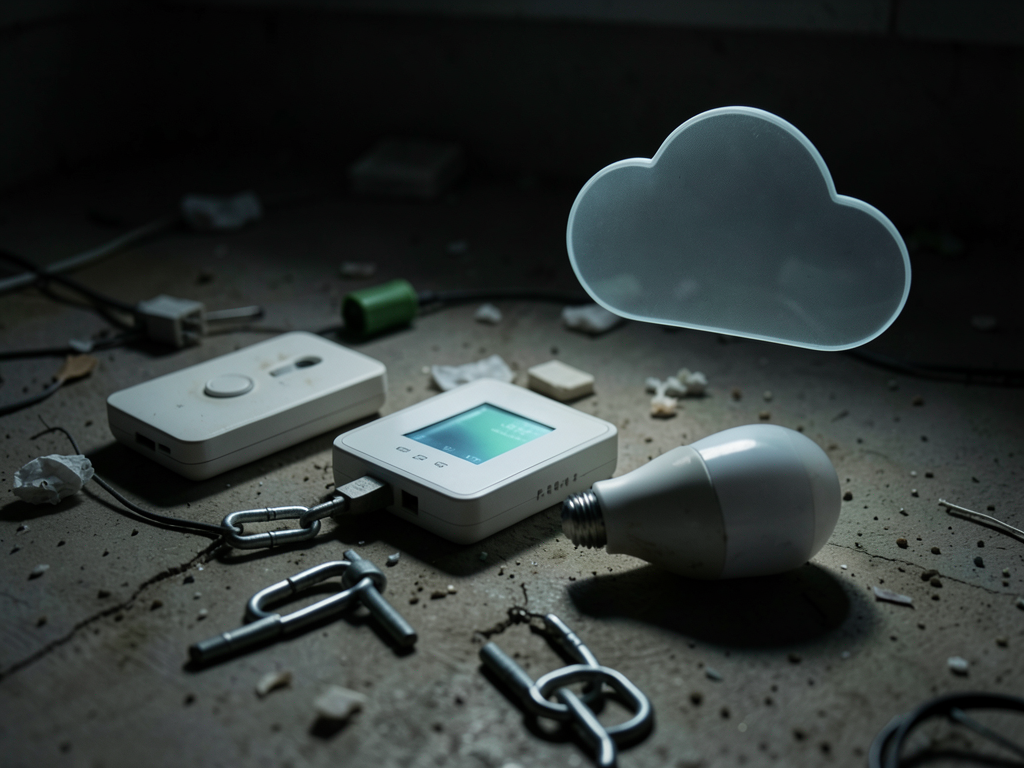
The smart home market is facing a growing problem: device after device is turning into electronic waste as the companies behind them close their doors. From smart locks to connected lights, consumers are discovering that their purchases can stop working overnight when a cloud server goes dark. The trend has accelerated in recent years, creating what some call a digital graveyard for internet-connected home gadgets.
The Growing List of Abandoned Devices
Several once-popular smart home lines have already met this fate. Smart thermostat maker Revolv was shut down by Google Nest in 2016, leaving owners with non-functional hubs. In 2020, Ring discontinued its first-generation video doorbells, pushing users to upgrade. More recently, connected lock company Friday ceased operations in 2023, stranding customers who had invested in its hardware.
Why Devices Become Bricks
The primary culprit is cloud dependency. Most smart home gadgets are designed to communicate through the manufacturer's servers for features like remote access, voice control and automation routines. When those servers are turned off, the hardware typically loses all cloud functionality. Some devices can operate locally via Bluetooth or Z-Wave, but many lack local fallback modes altogether.
Another factor is the lack of standardization across the industry. The Matter protocol aims to solve this by creating a universal standard for smart home devices, but adoption remains slow. Older products that predate Matter remain vulnerable to abandonment.
Why This Matters
The smart home graveyard problem erodes consumer trust and creates hidden environmental costs. Buyers who spend hundreds of dollars on connected lights, locks or sensors expect them to last more than a few years. When a device becomes a brick, it adds to the growing problem of e-waste. For the industry, each abandoned product damages its reputation and makes potential customers hesitate before jumping into the smart home ecosystem. Without stronger guarantees or local-first designs, the cycle of short-lived devices is likely to continue.
What Buyers Can Look For
Not all smart home devices face the same risk. Products that rely on local processing or open standards tend to have longer useful lives. Before purchasing, consumers should check whether a device supports offline operation, uses a widely adopted protocol like Zigbee or Z-Wave, and whether the manufacturer has a track record of maintaining products after release.
Some companies have begun offering long-term support commitments or open-sourcing their software when they shut down. For example, SmartThings has promised to keep its cloud running despite ownership changes. These gestures, however, remain exceptions rather than the rule.