Senior Editor: Alan Agbele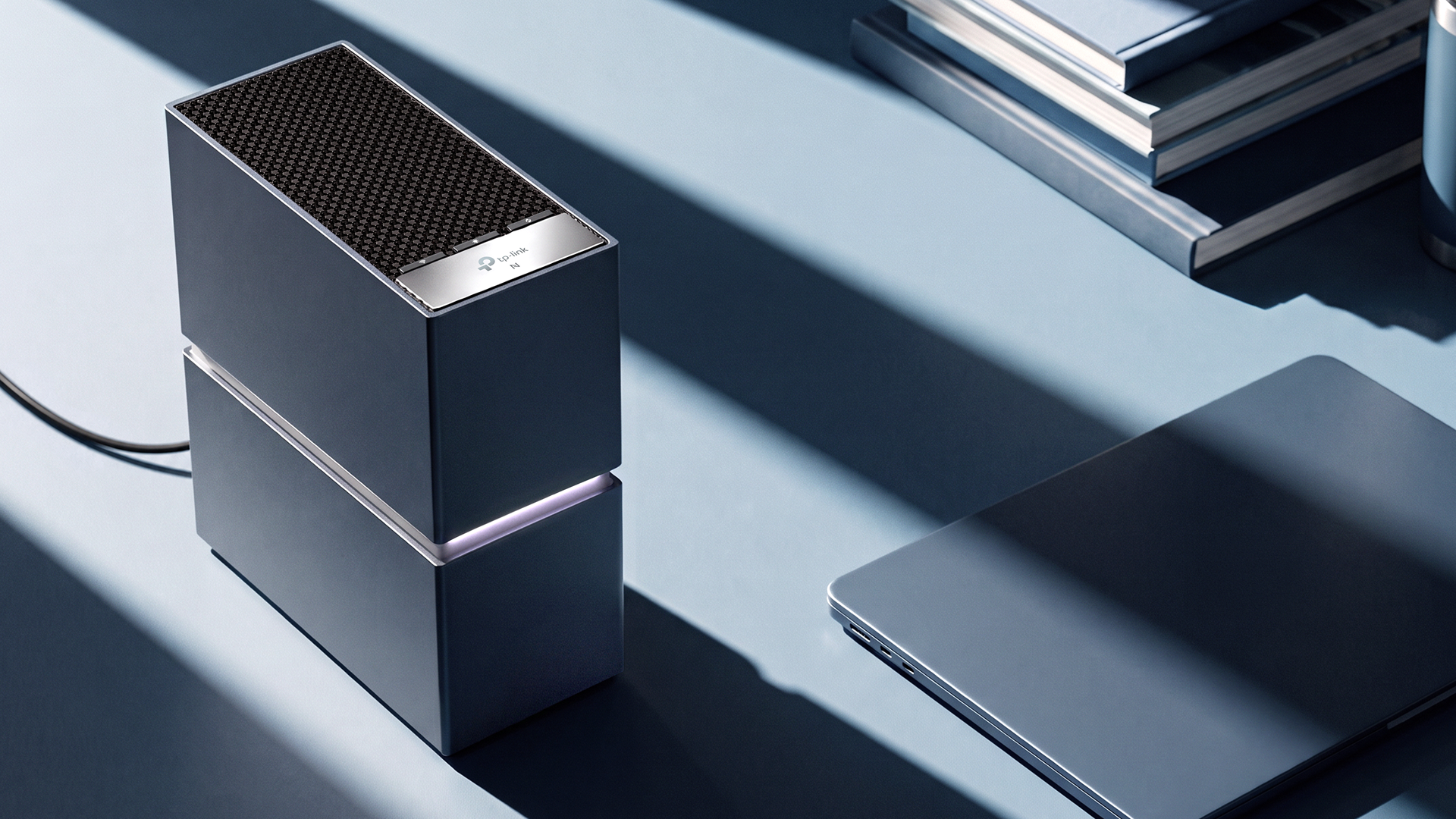
TP-Link has put the first Wi-Fi 8 router on sale, but the Archer 8 Ultra lands with a premium price that could make most buyers think twice. The router is now available for pre-order in the UK and Australia, with a starting cost of £669.99.
The First Wi-Fi 8 Router Hits Shelves
The Archer 8 Ultra is the first router to implement the next-generation wireless standard. It covers up to 3,600 square feet in the US and 3,000 in Europe. Unlike earlier Wi-Fi upgrades, Wi-Fi 8 is designed to reduce interference and maintain consistent throughput when many devices are connected.
The router includes TP-Link's StabilityEngine, which uses technologies like UEQM and MCS to keep performance steady. According to the company, it delivers up to 33% more consistent throughput at mid-to-long ranges and 24% better consistency than Wi-Fi 7 under interference.
The Price Problem
The Archer 8 Ultra costs £899.99 normally, though pre-orders drop it to £669.99. In Australia, that translates to roughly AU$1,700 and AU$1,200 respectively. This puts it well above most Wi-Fi 7 routers, which have already begun dropping in price.
For context, Wi-Fi 7 devices started appearing last year and many now sell for under $300. The Archer 8 Ultra's premium suggests early adopters are paying a significant tax for being first. The question is whether the stability gains justify the cost.
TP-Link likely hopes to court users with dense smart homes or large families where network congestion is a daily issue. But with the standard still in draft, buyers may be frustrated by firmware updates that alter performance over time.
Why This Matters
The arrival of the Archer 8 Ultra signals that manufacturers are eager to push Wi-Fi 8 despite incomplete ratification. This creates a dilemma for consumers: pay a premium for draft hardware or wait for the standard to stabilize and prices to fall. For TP-Link, the move establishes an early foothold in a market that will inevitably grow, but it also sets a precedent for future routers.
Business users with many IoT devices could see immediate benefits from improved reliability. Yet, for most households, the gains over Wi-Fi 7 remain marginal until more devices support the standard. If you are not experiencing connection drops, waiting might be the smarter financial choice.
What to Watch
TP-Link also sells mesh systems under the Deco brand, but the Archer 8 Ultra is a standalone router. The company has not announced when Wi-Fi 8 will expand to its Deco lineup, though it is likely a matter of time. Keep an eye on firmware updates, as they will determine whether early buyers end up with a future-proof investment or a costly experiment.
The router's built-in HomeShield service adds parental controls and real-time protection, with an optional paid tier. Security-conscious users may find these features appealing, but they do not offset the high entry price.
With the standard due for final ratification in the coming years, the Archer 8 Ultra is a bold bet. Whether it pays off depends on how quickly the rest of the industry follows.