Results for "New York City"
562 results found

Estonia Pioneers Digital IDs for AI Agents to Curb Online Lawlessness
Estonia is issuing personal identification codes to AI agents, a first-of-its-kind experiment in digital accountability that could reshape how autonomous systems operate online.

Compiler Complexity Sparks Developer Backlash
A viral Hacker News thread reveals growing developer frustration with compilers, highlighting trade-offs between abstraction and control.

Texas ID Database Breach Exposes 3 Million Driver Licenses and Passports
A breach of Texas government systems compromised 3.5 million digital ID files, including driver's licenses and passports, raising alarms about state-level cybersecurity.

USB Charger Market Shifts as GaN Technology Drives Smaller, Faster Power Adapters
The USB charger market is evolving with GaN technology enabling smaller, more powerful adapters. Deals on multi-port chargers up to 100W reflect a trend toward compact, high-efficiency power solutions for laptops and devices.

Mergers Expose Hidden Costs of Rushed AI Adoption
M&A deals reveal AI integration gaps caused by rushed adoption, forcing governance fixes to prevent deal failures and value destruction.

Carmakers Lose Ground as Drivers Choose Android Auto Over Built-In Systems
Drivers increasingly prefer Android Auto over factory infotainment, forcing automakers to rethink in-car software design and update strategies.

Enterprise AI Investment Reaches Measurable Returns, Google Cloud Reports
Google Cloud VP says companies are seeing ROI from AI, signaling a shift from pilots to production. This marks a potential tipping point for enterprise AI adoption.

Smart Lightbulb Hacked Into Covert Digital Library for Banned Books
A researcher turned a Wi-Fi smart lightbulb into a hidden server hosting banned books, accessible via an open Wi-Fi access point.

Data Compression: The Hidden Engine Powering Modern Computing
Data compression reduces file sizes through lossless or lossy algorithms enabling faster transfers and lower storage costs across industries.

Why Some Developers Reject Working AI Code
Developers increasingly reject AI-generated code even when it works, citing concerns over maintainability, technical debt and loss of craftsmanship.

Google Traffic Crosses 50% IPv6 Milestone
Over half of Google's user traffic now uses IPv6, a long-awaited milestone in the internet's transition from the aging IPv4 protocol.

A Doctor Uses a Gaming Mouse to Streamline Patient Care
A physician uses a Razer Naga MMO mouse to automate medical scripting, improving efficiency in telehealth visits.

Founders Fund Backs Robot That Kills Fish Humanely
Shinkei's Poseidon robot kills fish humanely using Ikejime technique. Founders Fund leads $6M seed round.

Tech Giants Commit $1 Billion to Carbon Removal Startups
Google, Anthropic and Salesforce lead a nearly $1 billion pledge for future carbon removal credits, signaling confidence in the emerging industry.

Power On: The Hidden Cost of Always-On Devices
Always-on devices quietly consume significant energy over time.

SpaceX Applies Software Update Model to Rocket Launches
SpaceX treats rocket launches like software updates, enabling rapid iteration and frequent flights. This philosophy drives its unprecedented launch cadence and cost reduction.

AI Law Firm Wins English Court Case in Legal First
Garfield AI, an artificial intelligence law firm, won an English court case for an HR consultant over an unpaid debt. The victory marks an apparent first for AI in legal proceedings.
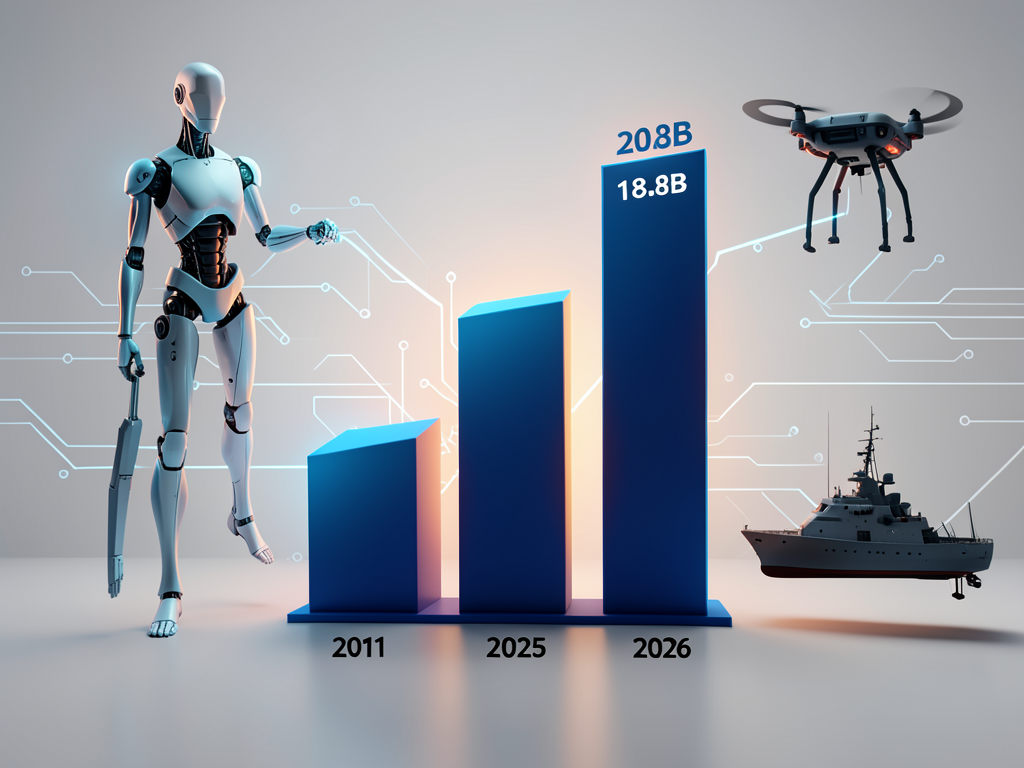
Robotics Startup Funding Shatters Records as Embodied AI Attracts Billions
Robotics startups raised $18.8B globally in 2026, surpassing 2025 totals. The surge reflects investor enthusiasm for embodied AI and autonomous systems, with major rounds from Saronic, Neura Robotics and Skild AI.

Why AI Evaluation Startups Struggle to Survive
Eval startups face commoditization, open-source pressure and weak business models. A look at why so many fail to scale.

Companies Tighten AI Budgets as Workers Waste Tokens on Trivial Tasks
Employers impose caps on generative AI after employees burn budgets on trivial tasks like email summaries.