Senior Editor: Alan Agbele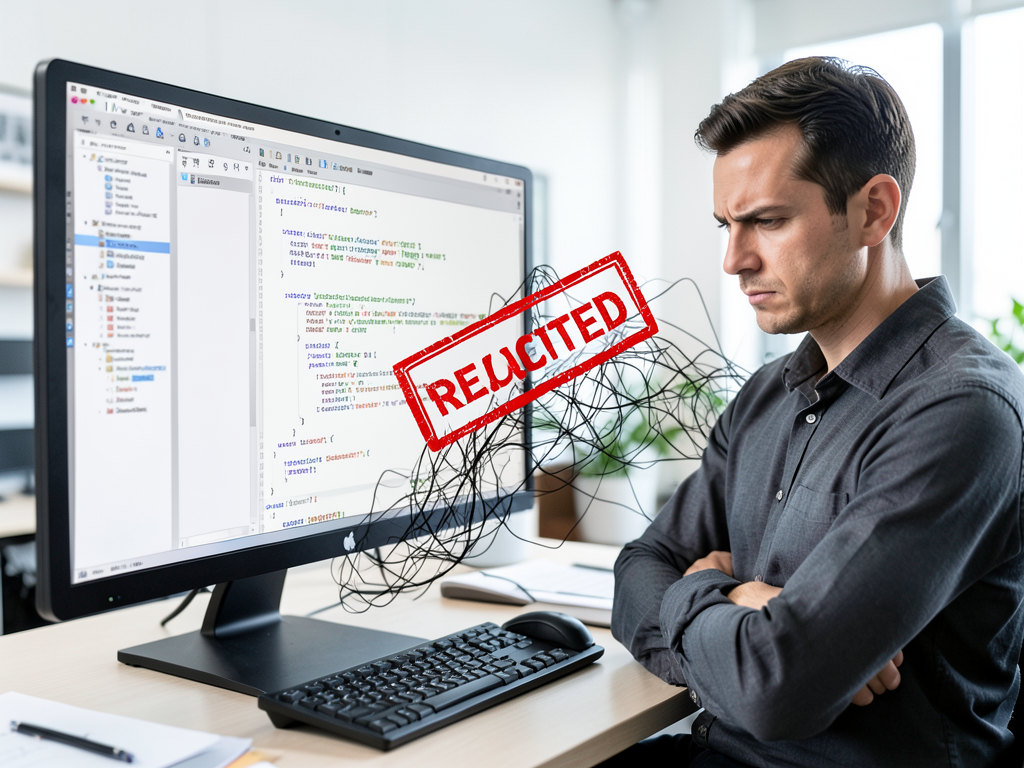
A quiet rebellion is taking shape in software development. A number of programmers actively reject code produced by AI coding assistants such as GitHub Copilot and OpenAI's Codex, even when that code compiles and passes tests. This refusal is not about bugs or errors. It is about a deeper set of concerns surrounding software quality, developer identity and the long-term health of codebases.
The Quality Question Beyond Functionality
Working code is not necessarily good code. AI models generate solutions that may be functionally correct but structurally brittle. They often produce bloated, repetitive or opaque code that is difficult to read and modify. For experienced developers, merging such code can introduce hidden technical debt that compounds over time. A function that works today might be impossible to debug or extend tomorrow. This concern is especially acute in large codebases where consistency and readability matter more than raw speed.
Why This Matters
This issue affects every organization that relies on AI-assisted development. Teams that accept AI code without scrutiny risk accumulating a codebase that no one fully understands. Maintenance costs rise. Onboarding new developers becomes harder. Security vulnerabilities may hide inside seemingly working code. For individual developers, relying too heavily on AI output can stunt skill growth and reduce the ability to reason about system design. The debate is not academic. On Hacker News, a recent thread titled "When I reject AI code even if it works" drew hundreds of comments from developers sharing similar experiences and trade-offs.
A Question of Trust and Ownership
There is also a human dimension. Developers often reject AI code because they do not trust what they did not write. Understanding every line of code in a project builds confidence and enables effective debugging. Accepting black-box solutions from an AI model undercuts that sense of ownership. Some developers also worry that over-reliance on AI tools will erode the craft of programming, turning engineers into prompt writers rather than problem solvers. This tension between efficiency and craftsmanship is at the heart of the rejection phenomenon.
The Industry Response
Tool makers are taking note. GitHub has added features to Copilot that allow developers to review and modify suggestions more easily. OpenAI continues to refine Codex's output to produce more idiomatic code. But no AI model can fully replace human judgment about what constitutes good code for a given context. The rejection of working AI code is a signal that the software industry values more than just speed and correctness. As these tools evolve, the best outcomes will likely come from a partnership where humans retain final say over what enters the codebase.