Editor: Porcia Akua Holmes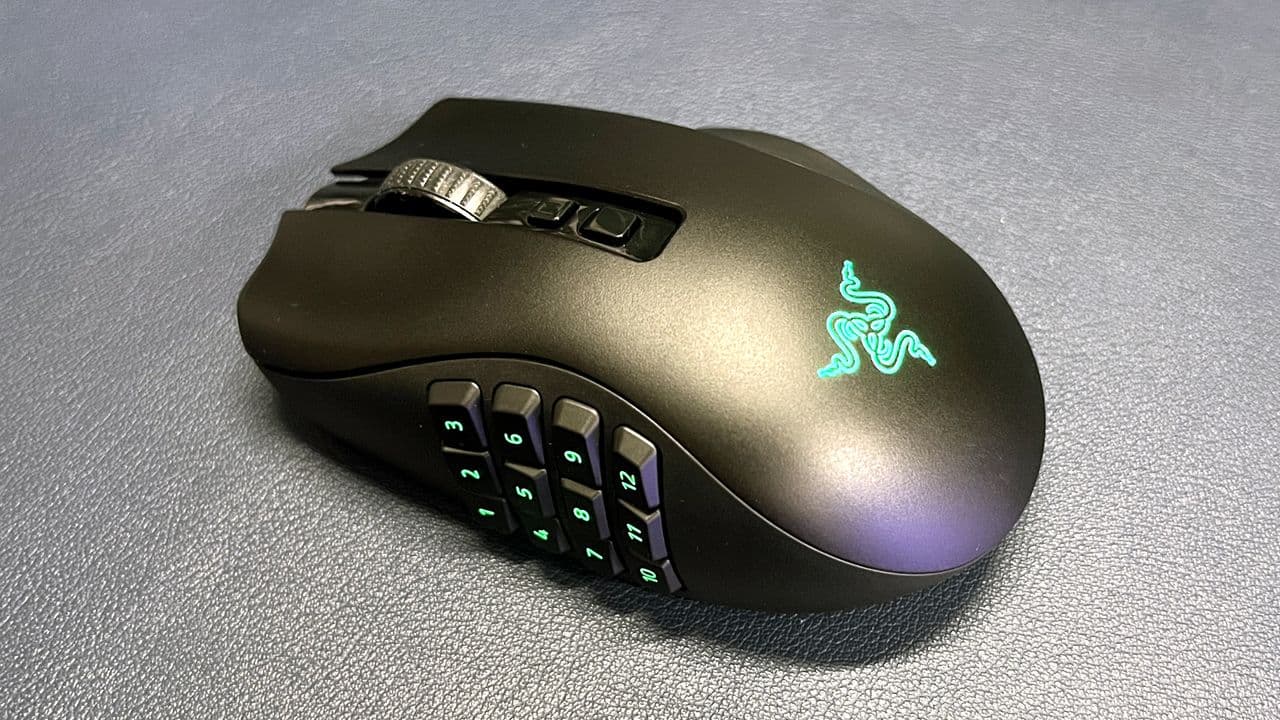
A family medicine doctor in Maryland has adopted an unconventional tool to improve his telehealth practice: a Razer Naga V2, a gaming mouse designed for massively multiplayer online role-playing games. Dr. James Ries reprogrammed the mouse’s 12-button thumb grid to automate repetitive tasks, including medical scripting and data entry, allowing him to keep his eyes on the patient during virtual visits.
Dr. Ries, who operates Ries Family Medicine in Rockville, Maryland, says the setup has transformed his workflow. The mouse’s side buttons trigger macros that insert frequently used phrases, diagnoses and prescriptions into electronic health records. This eliminates the need to type or navigate software menus during consultations.
The Origins of an Unorthodox Setup
Dr. Ries first experimented with a programmable gaming mouse during medical residency. He found that even a few programmed buttons could save time. Over the years, he upgraded from a basic model to the Razer Naga, drawn by its extensive programmability. He now uses the mouse to handle everything from ordering lab tests to documenting patient histories.
The mouse buttons are assigned to specific tasks through Razer’s Synapse software. Dr. Ries configured the thumb grid to execute common workflows. For example, one button inserts a standardized set of orders for a routine physical exam. Another button pulls up a list of frequently prescribed medications. The system reduces manual data entry and minimizes the chance of errors.
Why This Matters
This story highlights a broader trend: healthcare professionals are adapting consumer gaming hardware to solve real-world problems in clinical settings. Telehealth visits have become a permanent fixture in American medicine, and practitioners are looking for ways to make these interactions more efficient. By using a gaming mouse, Dr. Ries can focus on the patient rather than the computer screen.
The practical implications are significant. Physicians often spend a large portion of each appointment on documentation, a burden that contributes to burnout. Tools that automate routine tasks could help reduce that strain. Dr. Ries estimates the mouse saves him several minutes per visit, which adds up over a full day of appointments. For patients, this means shorter wait times and more attentive care.
Broader Implications for Medical Technology
The use of gaming peripherals in medicine is not new, but it remains a niche practice. Most healthcare systems invest in specialized software and hardware for clinical workflows. Dr. Ries’s approach demonstrates that off-the-shelf consumer products can sometimes fill gaps left by traditional medical technology.
Programmable input devices like the Razer Naga offer a low-cost alternative to voice recognition systems or custom-built interfaces. They also give physicians granular control over their digital environment. Critics might argue that relying on a gaming mouse introduces security or usability risks. However, Dr. Ries contends that the efficiency gains outweigh these concerns.
The broader lesson is that innovation in medicine does not always require expensive new tools. Sometimes, the best solution is a high-tech gadget originally built for playing games.