Editor: Porcia Akua Holmes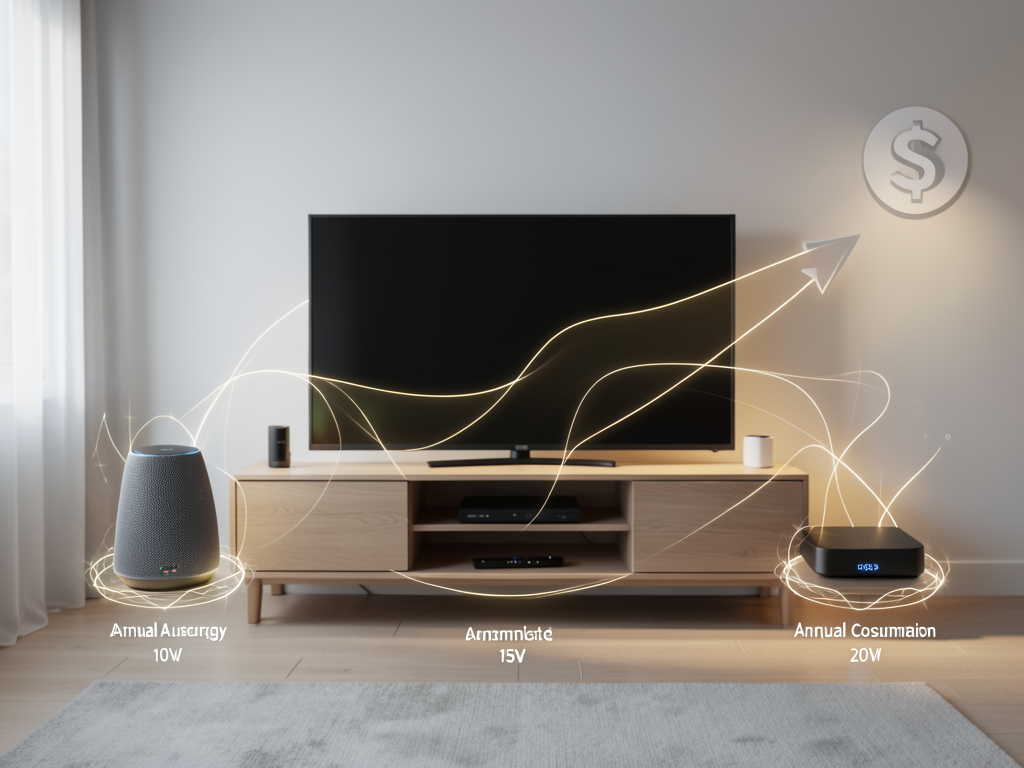
The modern home hums with a quiet, constant energy draw. From smart speakers to streaming sticks, a growing number of devices never truly power off. This always-on state, while convenient, carries a hidden cost that is only now coming into focus.
The Always-On Reality
Many consumer electronics are designed to remain in a low-power standby mode rather than shutting down completely. This allows for instant-on functionality and background updates but also means they consume electricity around the clock. A typical smart TV, for example, can draw 10 to 20 watts even when turned off. Over a year, that adds up to significant energy use across millions of households.
Why This Matters
This persistent power drain affects both household budgets and the environment. For an individual user, the annual cost might be modest. But aggregated across all connected devices in a home, it can add tens or even hundreds of dollars to yearly electricity bills. On a global scale, this wasted energy contributes to increased carbon emissions from power plants. Consumers are often unaware of this silent consumption because it happens outside their direct attention.
Industry Trends and Consumer Impact
The trend toward more connected devices shows no sign of slowing. Smart home hubs, security cameras and voice assistants all rely on continuous power. Some manufacturers have begun addressing this by designing more efficient standby modes or offering scheduling features that fully power down devices during inactive hours. However, these features are not yet standard across all products.
Regulators in some regions are starting to take notice. New efficiency standards could force manufacturers to reduce standby power consumption significantly in the coming years. For now, consumers can take simple steps like using smart plugs with timers or manually unplugging devices not in regular use.
A Broader Perspective
The issue highlights a fundamental tension in modern technology design: the trade-off between instant convenience and long-term sustainability. As device counts per household continue to rise, addressing this hidden energy drain becomes more critical not just for individual savings but for broader environmental goals.