Senior Editor: Alan Agbele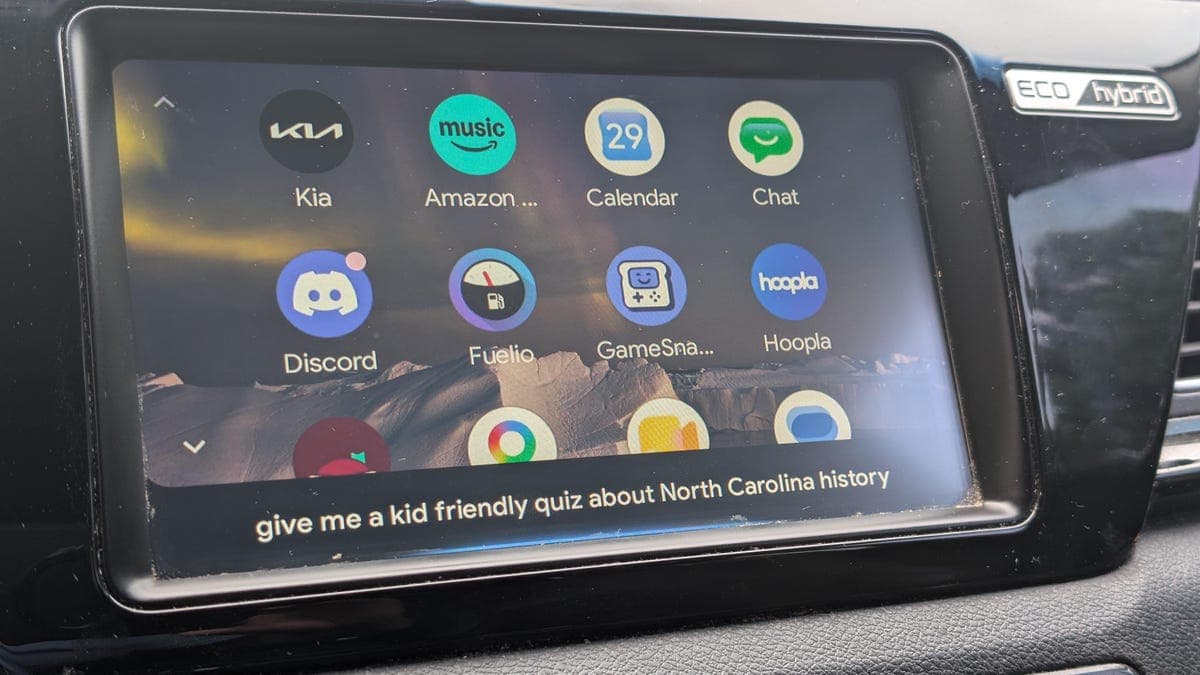
Car manufacturers have spent years designing elaborate infotainment systems, yet many drivers are actively bypassing them. The preferred interface is now a phone projected onto the dashboard. Android Auto and Apple CarPlay have become the default way to navigate, communicate and listen to music behind the wheel. This shift signals a fundamental change in how consumers expect their vehicles to behave.
Why Smartphone Integration Wins
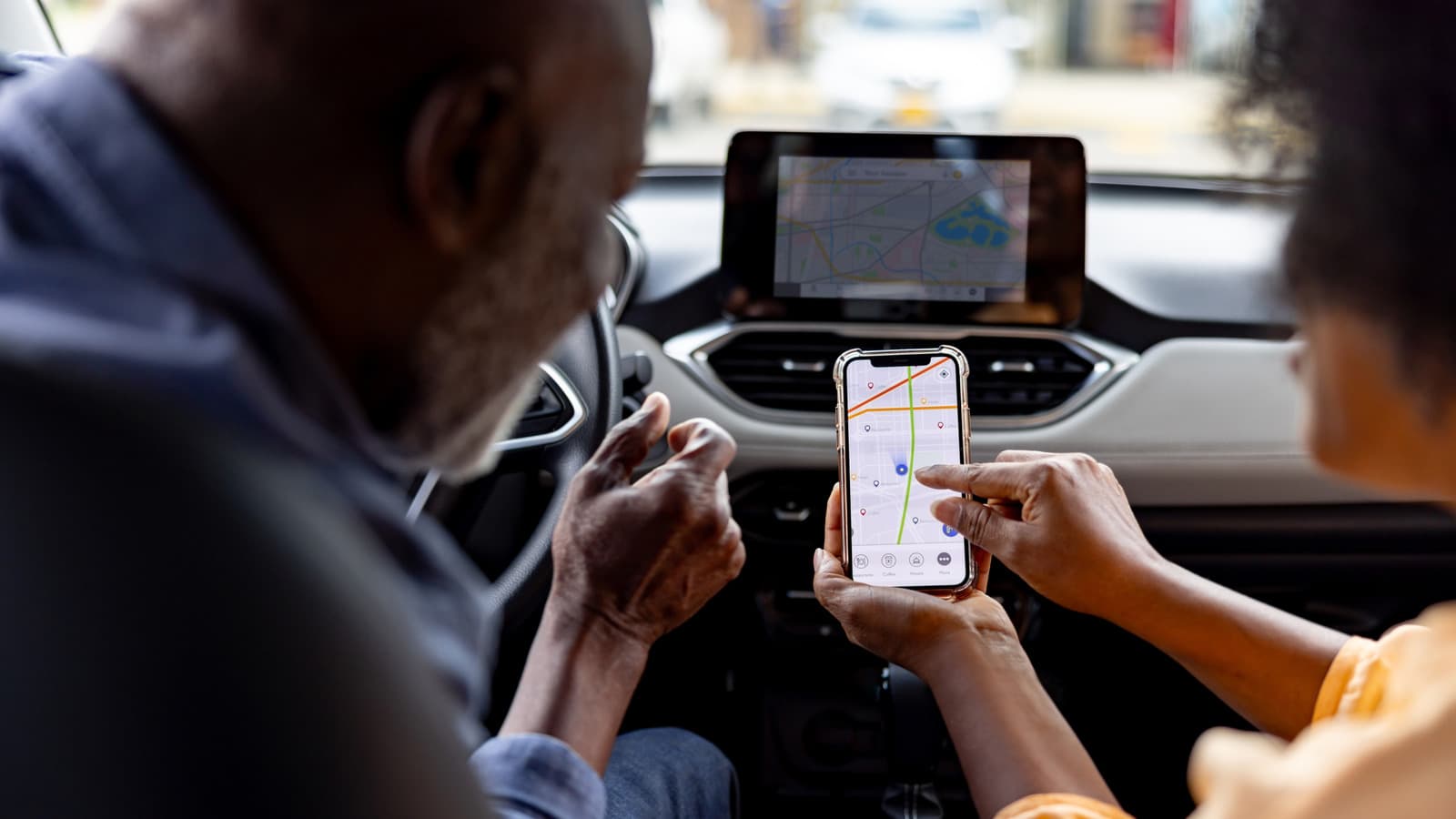
The appeal of Android Auto lies in familiarity and speed. Drivers already know how to use Google Maps, Spotify and messaging apps. Factory systems often require learning custom menus that feel dated the moment a car leaves the showroom. Delays in map updates and clunky voice controls further push users toward their phones. Android Auto provides real-time traffic rerouting, hands-free calling and app updates that happen automatically without visiting a dealer.
Automakers have tried to compete. Some, like Tesla and Stellantis, have resisted full smartphone mirroring, instead building proprietary platforms. But consumer surveys and sales trends show that built-in navigation is becoming a less valued feature. A growing number of drivers treat the car's screen as a passive display for their phone rather than an active computer.
The Challenge for Automakers
This preference creates a tension for car companies. Infotainment systems once served as a differentiator and a source of revenue for premium trims. If drivers ignore them, automakers lose control over the user experience and the data generated by it. Future innovations such as electric vehicle route planning, over-the-air updates and in-car payments depend on drivers engaging with the factory system.
Some brands are adapting. General Motors announced plans to ditch Apple CarPlay and Android Auto in future electric vehicles, betting on its own Ultifi platform. That move drew sharp criticism from customers and industry analysts who argue it ignores consumer demand. The decision illustrates the high stakes: automakers want the data and service revenue, but drivers want simplicity and reliability.
Why This Matters
Anyone who buys a new car is directly affected. The choice between using Android Auto or the car's native system now influences resale value, daily convenience and even safety. Systems that feel slow or outdated can make a vehicle less enjoyable to drive. More importantly, if automakers lock out smartphone projection, buyers may refuse to purchase certain models. The trend also pressures car companies to deliver faster software updates and better voice assistants, improving the experience for all drivers regardless of which interface they use.
For now, Android Auto remains the path of least resistance. Unless automakers significantly improve their own software, drivers will keep plugging in their phones. The battle between carmakers and smartphones is unlikely to end soon, but the consumer has already made a clear choice.