Senior Editor: Alan Agbele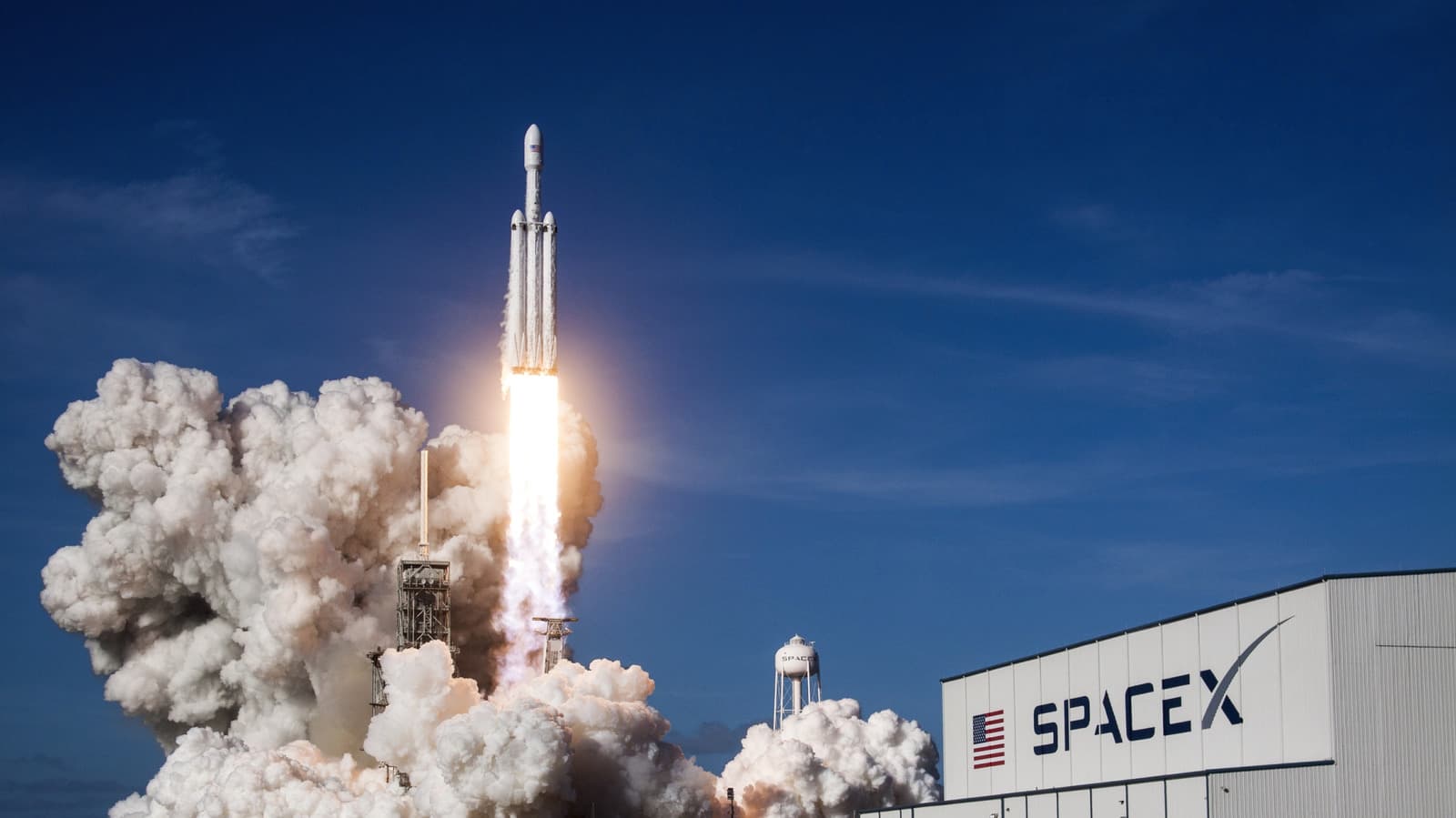
SpaceX has transformed spaceflight by treating each rocket launch not as a one-off event but as an iterative update in a continuous development cycle. This approach, borrowed from software engineering, helps explain the company's extraordinary launch frequency and relentless pace of improvement.
The Core Philosophy
Unlike traditional aerospace contractors that design, test and perfect a rocket before production, SpaceX launches early and often. Each flight generates real-world data that feeds directly into design changes for the next vehicle. The company views every launch as a beta test rather than a final product.
This mindset allows SpaceX to accept higher risk on individual missions in exchange for faster overall progress. When a Falcon 9 booster lands successfully, engineers analyze telemetry to refine landing algorithms. When a booster fails, the failure becomes a learning opportunity rather than a catastrophic setback.
Why This Matters
The software update model has direct implications for the entire space industry. Competitors like United Launch Alliance and Blue Origin still follow traditional aerospace practices that emphasize exhaustive ground testing before first flight. These methods produce reliable vehicles but at much higher costs and slower development timelines.
For customers launching satellites or crew missions, SpaceX's approach means lower prices and more frequent launch windows. The company now launches rockets at a rate exceeding one per week in some periods, dramatically reducing wait times for payload operators.
Iteration Over Perfection
SpaceX founder Elon Musk has explicitly compared rocket development to software releases. The company deliberately avoids over-engineering components that can be improved through flight experience. Instead of spending years perfecting a landing system on paper, SpaceX built prototypes and tested them in actual landings over water before attempting ground touchdowns.
This strategy produced visible results with the Falcon 9 first stage reusability program. Early landing attempts often ended in explosions or crashes near drone ships. Each failure provided data that led to software tweaks and hardware modifications until successful landings became routine.
Industry Implications
The aerospace sector is slowly adopting elements of this philosophy. NASA's Commercial Crew Program embraced fixed-price contracts that incentivize private companies to innovate rapidly rather than billing by the hour for government-directed work.
However, regulatory frameworks still lag behind SpaceX's pace. The Federal Aviation Administration licenses each launch individually under rules designed for an era when launches were rare events. As SpaceX pushes toward daily launches with Starship, regulators face pressure to modernize oversight without compromising safety.
A New Paradigm for Space Access
The software update model extends beyond rockets themselves into manufacturing processes at SpaceX's Hawthorne factory where teams build multiple vehicles simultaneously using lean production techniques borrowed from Silicon Valley hardware startups.
This combination of rapid prototyping continuous integration and aggressive testing has cut launch costs by orders of magnitude compared to previous systems while increasing reliability through sheer volume of operational experience rather than theoretical analysis alone.