Editor: Porcia Akua Holmes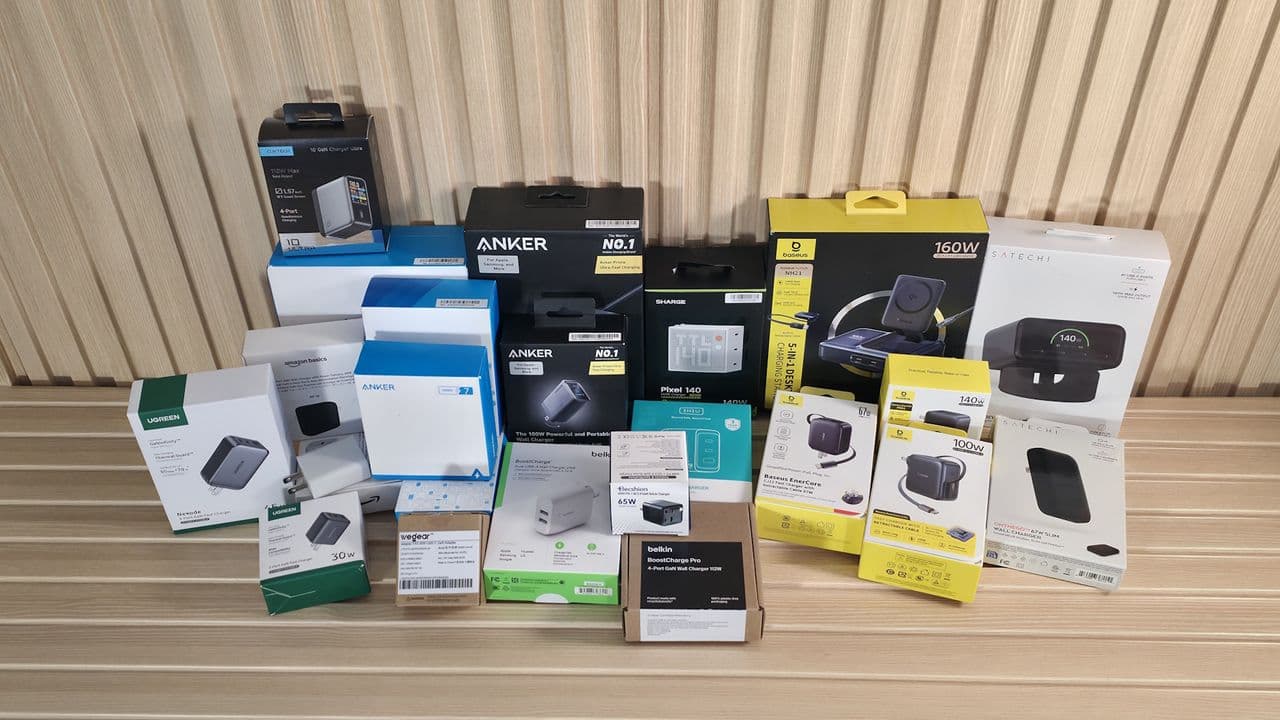
The USB charger market is undergoing a quiet transformation. Gallium nitride (GaN) technology has enabled manufacturers to shrink power adapters while boosting output, making bulky laptop bricks a thing of the past. Recent deals on chargers ranging from 30W single-port models to 100W multi-port units highlight a broader shift toward compact, high-efficiency charging.
GaN Technology Reshapes Charger Design
Traditional silicon-based chargers generate more heat and require larger components. GaN chargers operate at higher frequencies with less energy loss, allowing for smaller form factors without sacrificing power. This has led to a wave of ultra-compact adapters that can charge laptops, tablets and smartphones from a single device.
Deals now include 30W single-port chargers ideal for phones and small gadgets, as well as 100W multi-port models capable of powering a MacBook Pro while simultaneously charging an iPhone and AirPods. The shift reflects growing consumer demand for fewer cables and less clutter.
Multi-Port Convenience Gains Traction
As households accumulate more USB-C devices, multi-port chargers have become a practical necessity. A single 65W or 100W adapter can replace multiple wall warts, reducing outlet congestion and simplifying travel kits. Many newer models also support fast-charging protocols like Power Delivery (PD) and Quick Charge (QC), ensuring compatibility across brands.
The availability of discounted multi-port units suggests retailers are clearing inventory ahead of new product cycles or responding to increased competition among accessory makers. For buyers, this means an opportunity to upgrade aging chargers at lower prices.
Why This Matters
For consumers still using older silicon-based chargers or separate adapters for each device, upgrading to a GaN model offers tangible benefits: faster charging times, reduced heat output and less bulk in bags or drawers. The trend also signals that USB-C is becoming the universal standard for power delivery across electronics categories.
Businesses outfitting remote workers or traveling employees stand to gain from standardized charging solutions that reduce cable clutter and simplify logistics. As more laptops adopt USB-C exclusively for power, the case for investing in high-wattage multi-port chargers grows stronger.
Market Implications
The charger market is increasingly driven by efficiency standards rather than raw wattage alone. GaN adoption has accelerated since major brands like Anker and Belkin introduced flagship models in recent years. Analysts expect further price drops as production scales and competing technologies such as silicon carbide emerge.
Regulatory pressure in Europe mandating USB-C as a common charging port may also influence future designs by encouraging interoperability across devices from different manufacturers.