Editor: Porcia Akua Holmes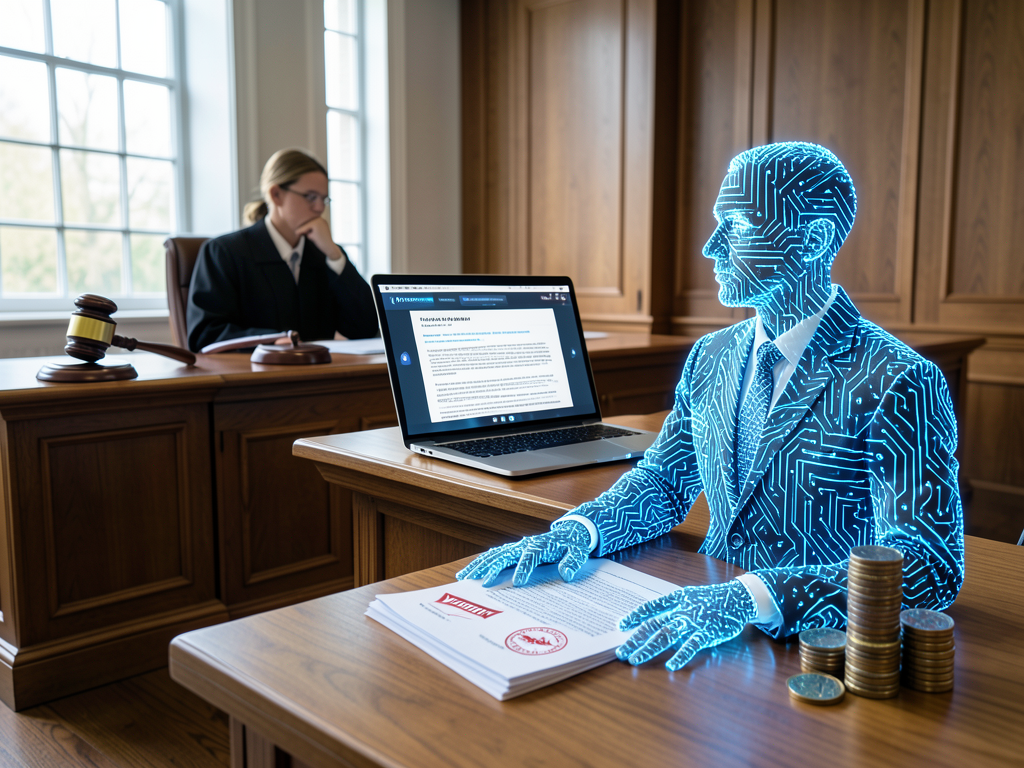
An artificial intelligence law firm has secured a victory in an English court, marking what legal experts believe is the first time an AI lawyer has successfully represented a client in a trial. The case, involving an unpaid debt of £7,000, was handled entirely through Garfield AI, a service that automates legal correspondence and court filings.
Case Details and Outcome
Freelance HR consultant Tamires Camal Taquidir paid Garfield AI roughly £400 to send a legal letter and initiate court proceedings against an individual who owed her money. The court ruled in her favor. A barrister who reviewed the AI-produced materials said the advocacy at trial remained fundamentally human, highlighting the hybrid nature of the case.
The case was heard at the Central London County Court, where the judge accepted the AI-generated documents as valid. Legal observers note that while automated systems have assisted lawyers for years, this is believed to be the first instance of an AI firm acting as the primary representative from start to finish.
How Garfield AI Operates
Clients describe their case details through a simple interface. Garfield AI then uses natural language processing to produce demand letters and court forms. For straightforward claims like unpaid debts, the system can handle the entire process without human intervention. The company charges a flat fee, significantly undercutting the cost of hiring a solicitor.
Why This Matters
This case opens a new chapter in the debate over artificial intelligence in the justice system. Millions of people in the UK cannot afford legal representation for civil disputes. AI services could dramatically lower that barrier. Yet the victory also raises urgent questions about regulation, liability and the future of legal employment.
Consumer advocacy groups have already called for clear guidelines. They argue that while cost savings benefit clients, mistakes by AI could leave plaintiffs with no clear path to redress. The legal profession now faces a pivotal moment. The question is no longer whether AI can win in court but how society will adapt to a system where machines increasingly argue on behalf of people.
The Garfield AI case in London may be a first, but it is unlikely to be the last. As the technology improves and costs fall, more individuals and small businesses will turn to AI for legal help. Courts and regulators will need to respond quickly to ensure fairness remains at the heart of justice.