Results for "The Atlantic"
792 results found
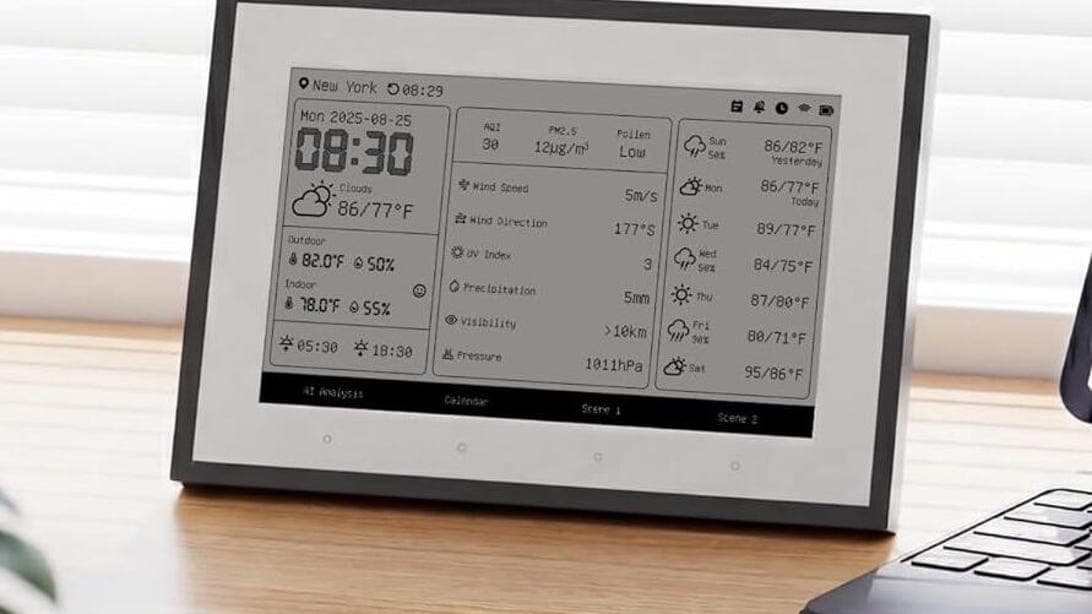
SwitchBot Launches Indoor Weather Station With E Ink Display
SwitchBot’s new weather station combines outdoor sensors with an E Ink hub that shows forecasts, calendar events and travel tips.

Lego and Pokémon merge physical play with digital smarts in new sets
Lego's 12 new Pokémon sets blend physical building with digital interactivity, marking a shift in smart toy design.

AI Tutors Learn Your Style: How Gemini Creates Custom Lessons
Google Gemini adapts to individual learning styles with custom analogies and daily quizzes, helping users grasp complex topics faster.

Hacker News Project Brings Realistic Soft Body Physics to Developers
A developer showcased a soft body jiggle physics project on Hacker News, highlighting real-time deformable simulations for games and animation.
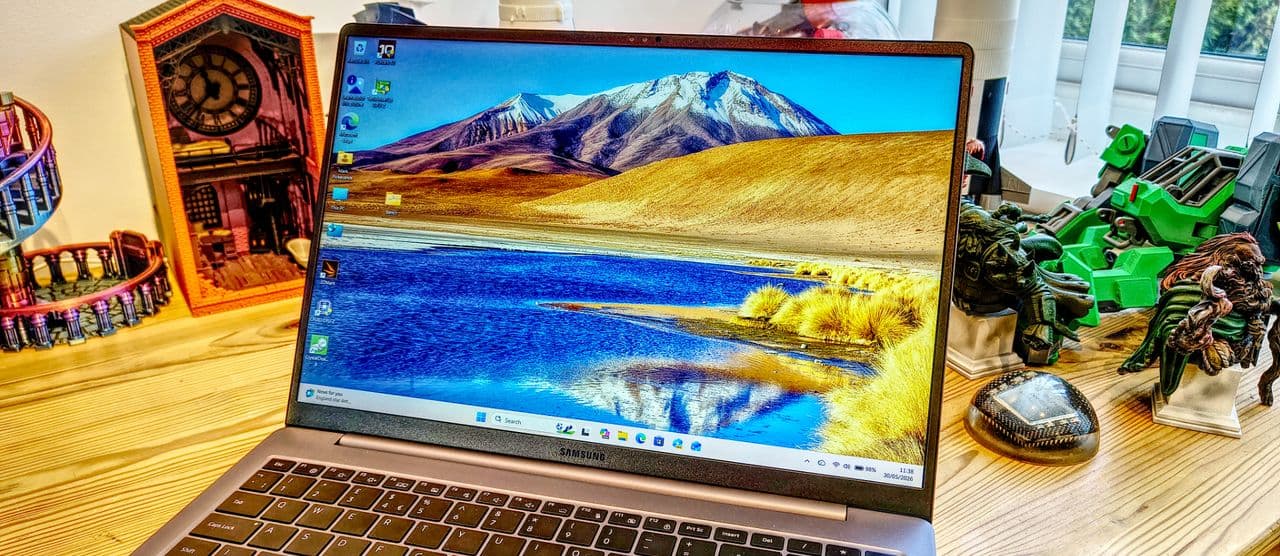
Samsung Galaxy Book6 Enterprise Edition: Premium Build, Frustrating Port Selection
Samsung's latest business laptop impresses with build quality and Intel 300 series performance but fails to include modern ports like Thunderbolt 4 at its high price point.

Motorola Bricked Its Entire Router Line Without Warning Users
Motorola silently crippled its WiFi routers, leaving thousands without working devices or explanation.

Enterprise AI stalls as infrastructure fails to keep pace with software ambitions
Enterprises are struggling to realize AI returns due to a widening gap between advanced software and outdated physical infrastructure, creating a 'POC graveyard' of stalled projects.

NotebookLM Builds More Than Presentations With New AI Features
Google's NotebookLM now creates full narrative presentations from source documents, transforming how users build educational content.

Rising PC Prices Signal End of Budget Laptops as Memory Costs Surge
Memory shortages have pushed PC prices up by double digits in Europe. Analysts warn that sub-$500 laptops could disappear by 2026 as AI demand diverts chip supply.
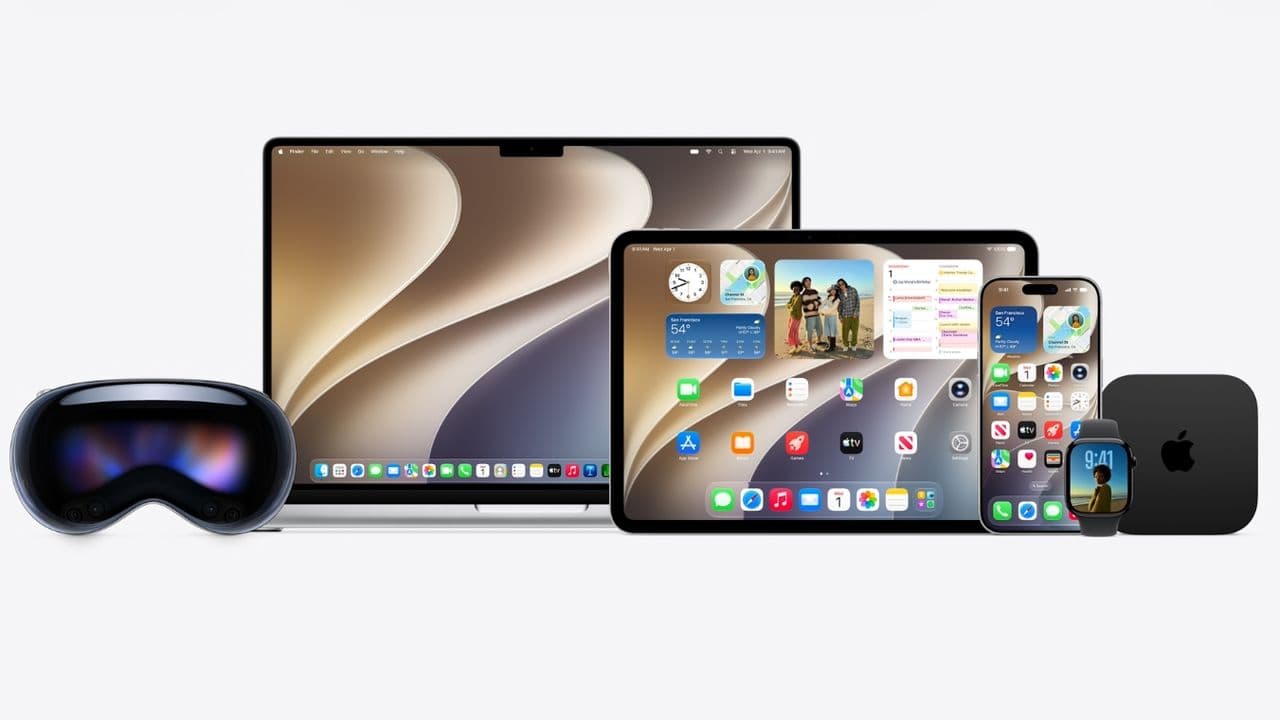
Apple Unifies AI Strategy With Cross-Platform Siri in macOS Golden Gate
Apple's macOS Golden Gate update brings cross-platform Siri and Liquid Glass design, signaling a unified AI strategy across devices.

Microsoft to Let Windows 11 Users Strip Web Results From Local Searches
Microsoft is developing a toggle to remove web results from local Windows 11 searches, responding to long-standing user complaints about mixed search outputs.

Open-Source Rival Goose Challenges Anthropic's Claude Code Pricing Model
Block's open-source AI agent Goose offers free offline coding capabilities rivaling Anthropic's Claude Code which costs up to $200 monthly.

AI Agents Enter Crypto Trading With Coinbase Integration
Coinbase enables AI agents to trade crypto tokens including Fartcoin, raising questions about automated market participation.

Dynamic PDFs Adapt Content Based on Reader Identity
A new technology creates PDF documents that change their content depending on who is viewing them raising questions about data privacy and document integrity.

US Government Orders Anthropic to Disable New AI Models Over Security Concerns
Anthropic shut down its Mythos 5 and Fable 5 models after a Commerce Department directive citing national security risks from a reported jailbreak exploit.
Data Poisoning Emerges As A New Threat To AI Model Integrity
New data poisoning techniques corrupt AI training signals, threatening model integrity and user trust across industries.

UK Teen Social Media Ban Draws Cybersecurity Warnings From VPN Industry
UK's teen social media ban raises cybersecurity alarms. VPN industry warns of privacy risks and unintended consequences.

New SMTP Relay Tool Adds Web Dashboard for Email Management
A new SMTP relay solution offers a web dashboard for managing email delivery, giving developers a self-hosted alternative to third-party APIs.

Mergers Expose Hidden Costs of Rushed AI Adoption
M&A deals reveal AI integration gaps caused by rushed adoption, forcing governance fixes to prevent deal failures and value destruction.
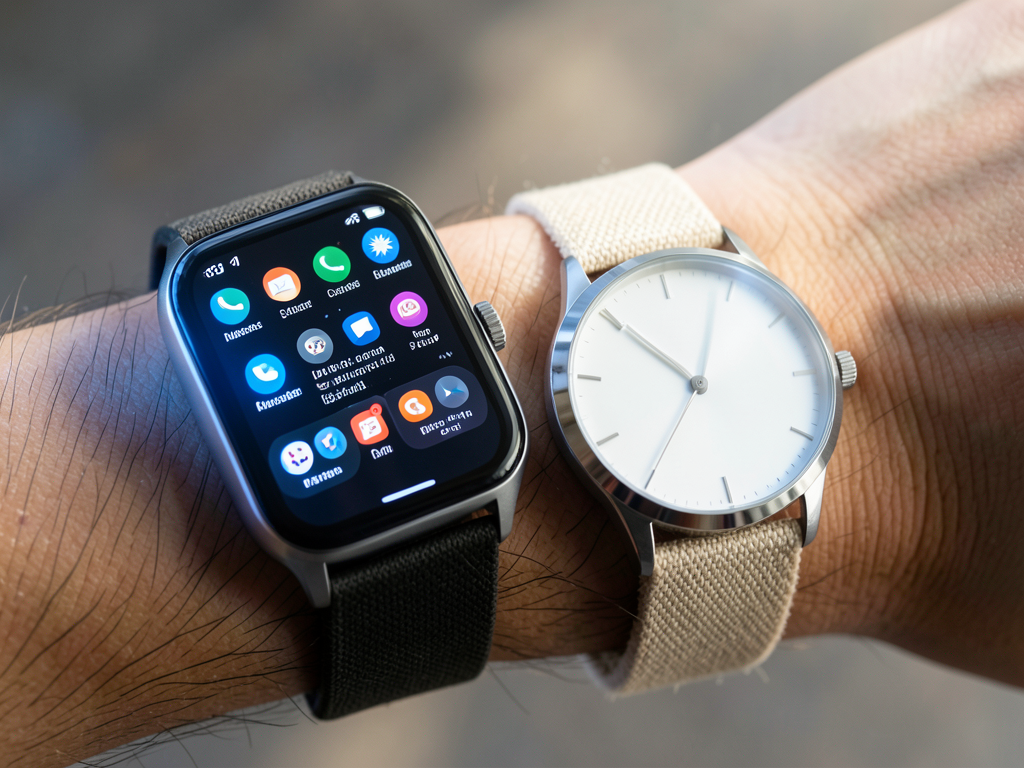
Screen Fatigue Drives Users Away From Smartwatches Toward Minimalist Alternatives
Consumers are abandoning feature-packed smartwatches for simpler devices like fitness trackers and analog watches, driven by screen fatigue and a desire for intentional living.