Google's NotebookLM has added a new capability that goes beyond simple slide creation. The AI-powered notebook tool can now generate entire presentation narratives from user-uploaded documents, turning raw material into structured visual stories.
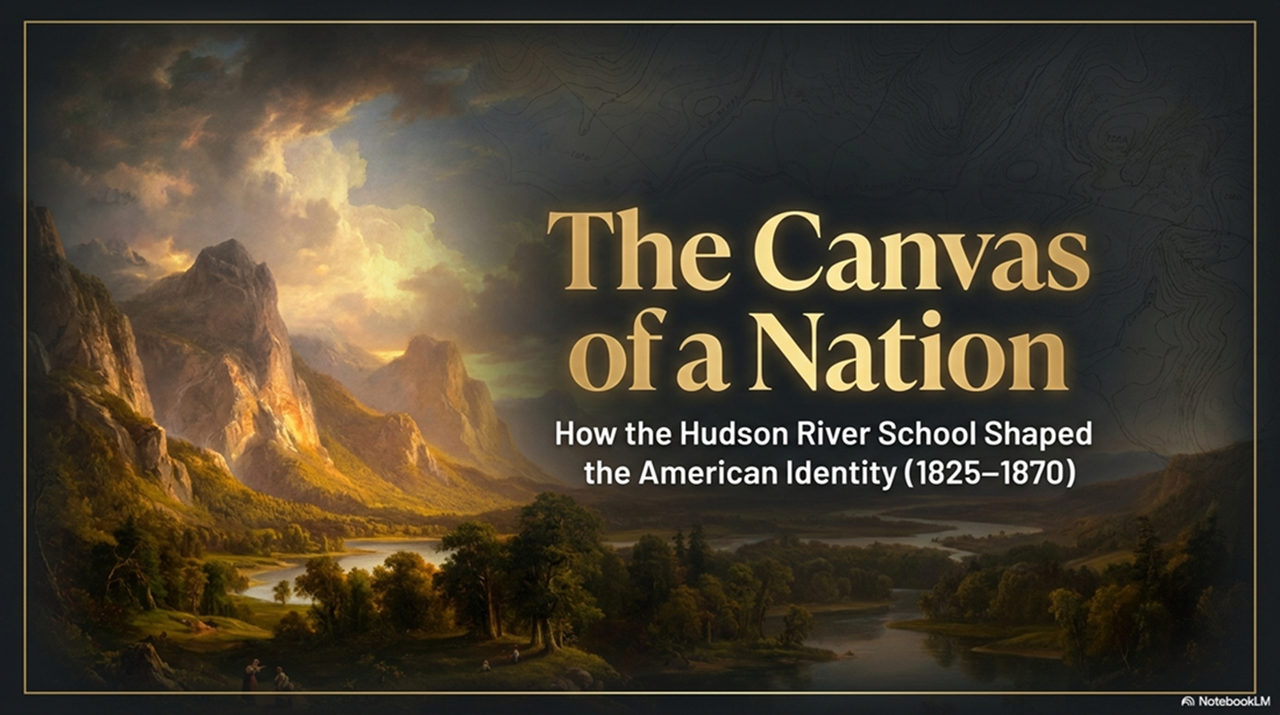
In a recent test, a user asked NotebookLM to create an art history presentation about the Hudson River School. The tool did not just produce slides. It built a coherent narrative with visual suggestions, speaker notes and a logical flow. The result was a complete presentation framework that required minimal editing.
How It Works
NotebookLM uses the source documents provided by the user to extract key themes, events and figures. It then organizes this information into a presentation structure. The tool suggests images, graphs and timelines based on the content. Users can refine the output by asking follow-up questions or requesting specific changes.
The process starts with uploading research papers, articles or notes. The AI analyzes the material and proposes a slide deck structure. Users can see the AI's reasoning behind each slide, making it easier to adjust the narrative. The final output includes speaker notes that explain each point in detail.
Why This Matters
This feature changes how educators, students and professionals approach presentation creation. Instead of spending hours organizing content, users can focus on refining the message. The AI handles the structural heavy lifting.
For example, a teacher preparing a lecture on Renaissance art can upload source texts and receive a complete presentation with chronological order, key artworks and historical context. The tool saves time and reduces the barrier to creating high-quality educational materials.
The implications extend beyond education. Business analysts, marketers and researchers can use NotebookLM to turn reports into client-ready presentations quickly. The tool's ability to generate coherent narratives from raw data makes it a practical aid for knowledge workers.
Limitations and Considerations
NotebookLM is not a replacement for human creativity. The AI provides a strong foundation, but users must verify facts, adjust tone and add personal insights. The tool works best when the source documents are well-organized and relevant.
Accuracy depends on the quality of the input. Users should review the generated content for errors or bias. The AI may misinterpret certain topics or miss subtle connections. It is a starting point, not a final product.
Google has not announced pricing for advanced features. NotebookLM is currently free to use with a Google account. The company may introduce premium tiers as the tool evolves.
For now, NotebookLM offers a glimpse into how AI can transform routine tasks into creative workflows. Building a presentation becomes less about formatting slides and more about shaping ideas.