Senior Editor: Alan Agbele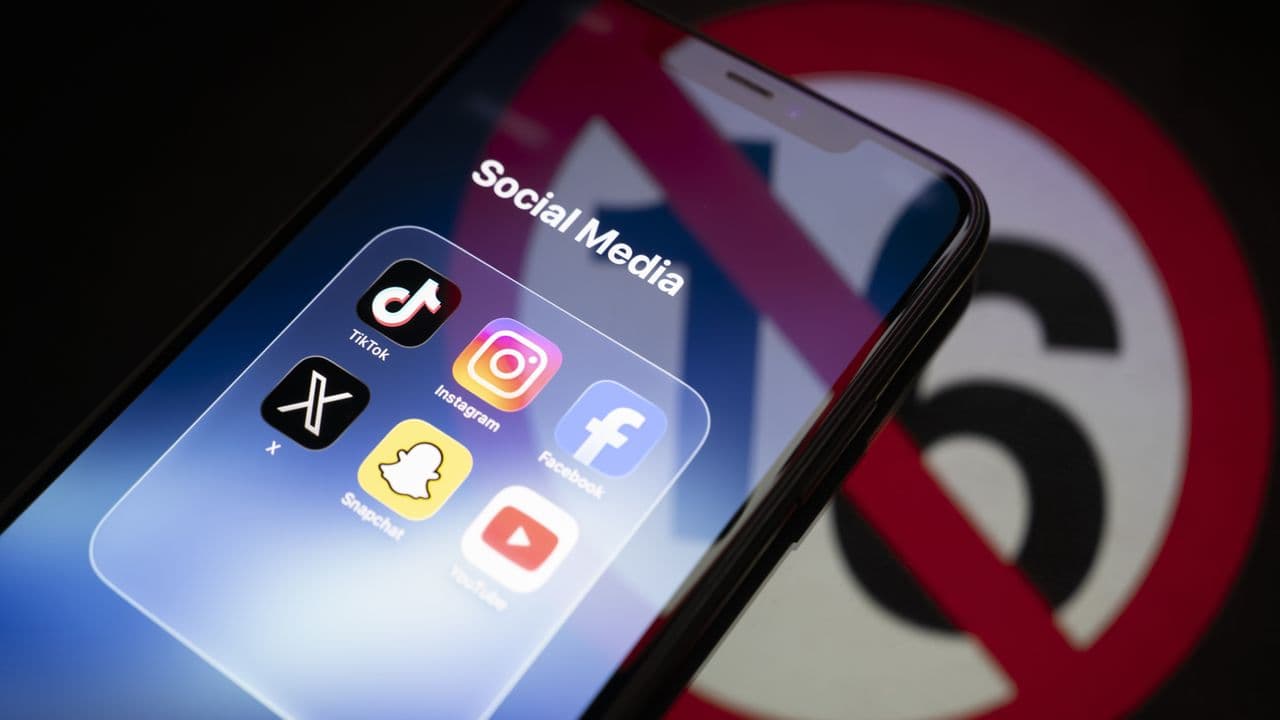
The United Kingdom's push to restrict social media access for teenagers is drawing sharp criticism from the VPN industry. Industry leaders warn the mandate could create a cybersecurity crisis rather than protect young users.
The Regulation at the Center of the Debate
The UK's Online Safety Act requires social media platforms to implement age verification systems. Platforms must restrict access for users under 16 or face penalties from Ofcom, the nation's communications regulator. The law aims to shield minors from harmful content and data exploitation.
Critics argue that the age verification mandate will drive teens toward unregulated VPN services. These services often lack privacy protections and may expose users to malware or data theft. The VPN industry warns that forcing teens to circumvent the restrictions creates a larger security problem than the one the law attempts to solve.
Industry Concerns and Privacy Risks
Privacy advocates also raise alarms about the age verification process itself. Most systems require users to upload government-issued IDs or submit to facial age estimation. This creates a new data collection vector that could be breached or misused.
The VPN industry notes that legitimate providers operate under strict no-log policies. However, teens may turn to free or malicious VPNs that log browsing activity and sell data. The result could be a net loss of privacy for the very group the law aims to protect.
A Global Precedent
The UK's approach mirrors a growing global trend. Australia has proposed a similar under-16 social media ban, drawing identical cybersecurity concerns from privacy groups. France and several US states have also considered age verification laws, each facing pushback from digital rights organizations.
These debates highlight a fundamental tension. Governments want to protect minors online but often rely on surveillance-heavy methods. The VPN industry argues that education and platform accountability are more effective than blanket restrictions that invite circumvention.
Why This Matters
For millions of UK teens and their families, the Online Safety Act will reshape daily online behavior. Parents may need to provide personal documents to verify their children's ages, raising privacy trade-offs at home.
The wider implication extends beyond the UK. If the law pushes teens toward risky VPNs, the result could be a measurable increase in cyber incidents among young users. Regulators worldwide will watch closely. The UK's experiment may determine whether age verification mandates become a template for internet governance or a cautionary tale about unintended consequences.