Editor: Porcia Akua Holmes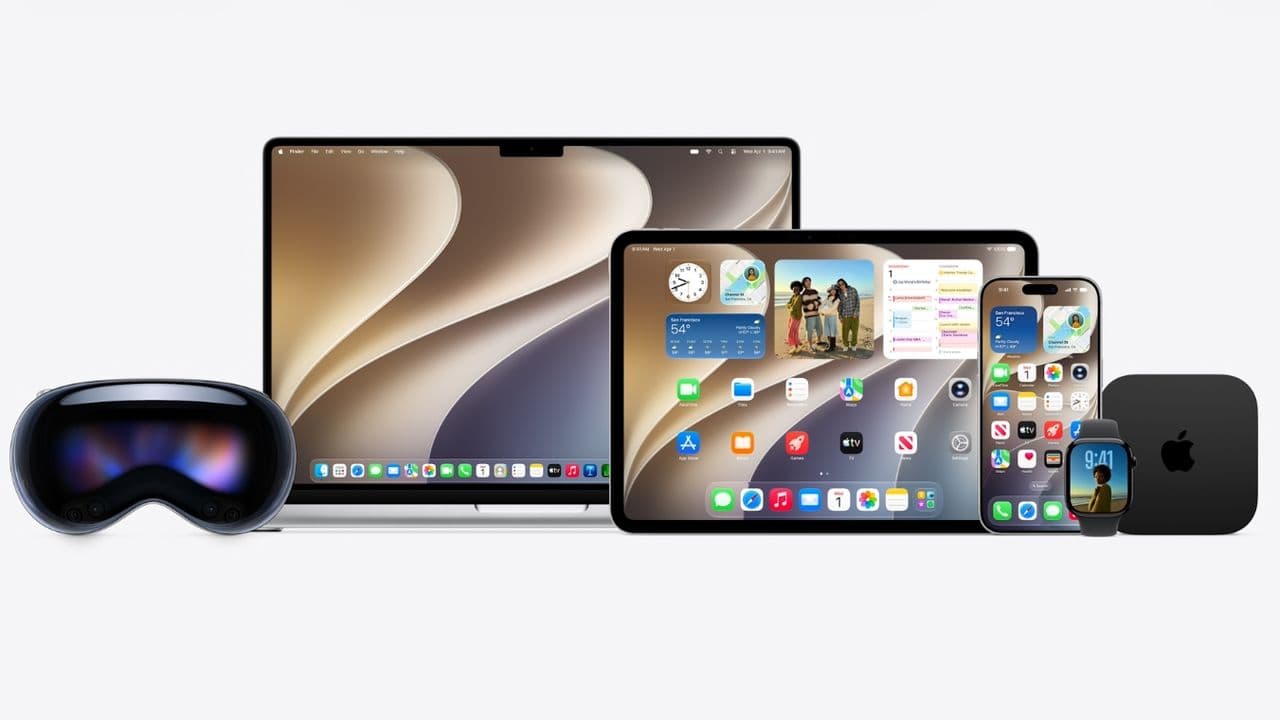
Apple used its Worldwide Developers Conference to unveil macOS 27 Golden Gate, an update that pushes the company's artificial intelligence ambitions into sharper focus. The new operating system introduces cross-platform Siri capabilities and a refined Liquid Glass design language, marking a strategic shift toward deeper integration across Apple's hardware ecosystem.
Cross-Platform Siri Takes Center Stage
The most significant change in macOS Golden Gate is the expansion of Siri's functionality beyond the Mac. Apple demonstrated how the voice assistant now operates seamlessly across iPhone, iPad and Mac, maintaining context and continuity between devices. A user can start a task on one device and finish it on another without repeating commands or losing progress.
This move aligns with Apple's broader push to make its AI services feel less like isolated features and more like an ambient layer spanning all its products. The company has long faced criticism that Siri lags behind competitors from Google and Amazon. By unifying the assistant's behavior across platforms, Apple aims to close that gap without requiring users to learn separate workflows for each device.
Liquid Glass Design Gets Refined
Alongside the AI upgrades, Apple introduced a more polished version of its Liquid Glass visual style first seen in earlier macOS releases. The design language now extends deeper into system menus, notification panels and app interfaces. Translucent effects and dynamic lighting adjustments create a sense of depth that adapts to the content beneath each window.
The visual refresh is not merely cosmetic. It serves as a subtle signal that Apple views software aesthetics as integral to user trust and engagement. Competitors have focused heavily on raw AI performance metrics, but Apple continues to bet that polish and consistency will differentiate its offerings in a crowded market.
A Unified AI Strategy Emerges
The most important takeaway from this announcement is not any single feature but the pattern they form together. Apple is consolidating its AI efforts under a single umbrella rather than treating each product line as an independent project. The cross-platform Siri demonstration suggests that future AI features will arrive simultaneously on Mac, iPhone and iPad rather than appearing first on one device then trickling down later.
This approach carries risks. Tying all devices to the same AI backbone means any flaw or limitation becomes universal rather than isolated. But it also creates opportunities for experiences no single device could deliver alone such as using an iPhone camera feed to inform what appears on a Mac screen during a video call.
Why This Matters
For consumers this shift means fewer compromises when switching between devices during daily tasks. Professionals who rely on both Macs and iPads will benefit from consistent tool behavior without needing to relearn interfaces or remember which device supports which command.
The broader implication is competitive pressure on rivals like Microsoft and Google who have pursued their own cross-platform strategies with varying success. If Apple delivers seamless continuity while maintaining strong privacy protections it could set a new baseline expectation for how personal computing ecosystems should behave in an era of pervasive artificial intelligence.