Editor: Porcia Akua Holmes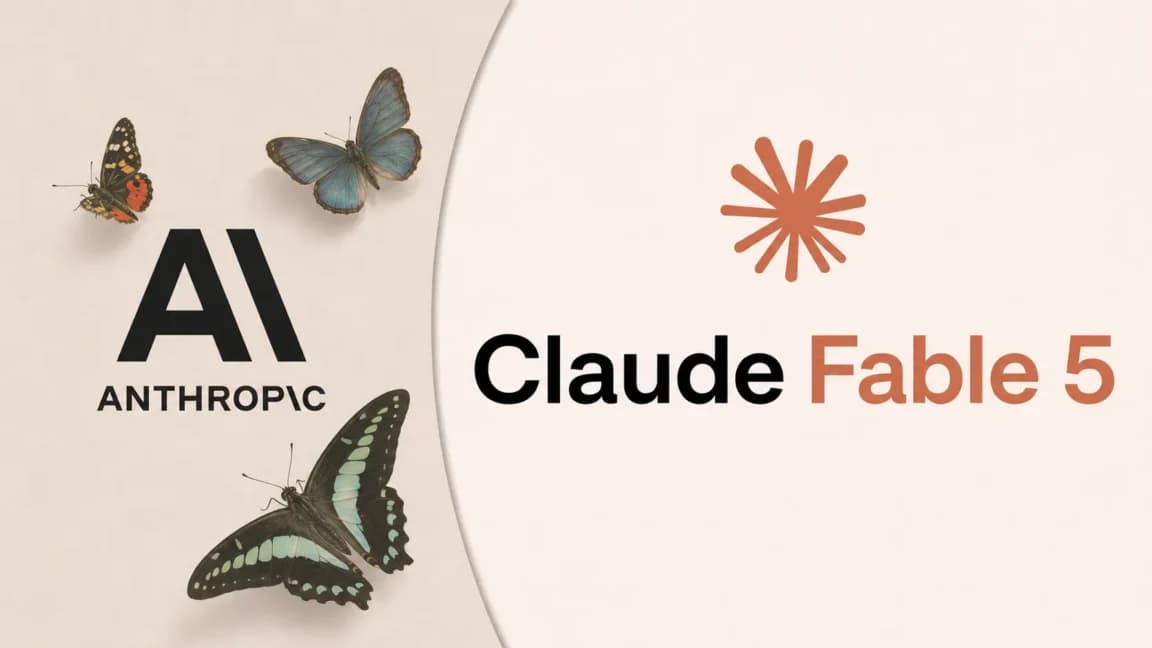
Anthropic disabled its newest AI models just days after their launch, following a direct order from the US Commerce Department. The company shut off access to Mythos 5 and Fable 5 on Friday night, citing an immediate need to comply with export controls that restrict the models' use outside the United States.
In a brief statement, Anthropic said abruptly disabling the models for all customers was the only way to ensure compliance with the government directive. Other Anthropic models, including earlier versions, were not affected by the order.
A Jailbreak Triggered the Shutdown
The government action was prompted by reports of a jailbreak that could bypass the models' built-in safeguards. According to sources cited by Axios, the administration is concerned that the exploit allows users to circumvent classifier-based protections designed to block prompts related to cybersecurity, chemistry and biology.
The administration requested a pause in the models' release to give the national security apparatus time to harden against this specific threat. That process could be completed within weeks, the source suggested.
National Security Versus AI Progress
The shutdown is the first known instance of the US government directly ordering an AI company to disable a product after launch over security concerns. It signals a new level of regulatory involvement in AI deployment, moving beyond pre-release reviews and voluntary commitments.
For Anthropic, the decision represents a costly setback. The company had invested heavily in the safety features of Fable 5 and Mythos 5, including broad classifier-based filters meant to prevent misuse. The discovery of a jailbreak that defeated those filters underscores the difficulty of securing advanced AI systems against determined adversaries.
Why This Matters
The immediate impact is on developers and businesses that had integrated Fable 5 or Mythos 5 into their products. Those users now face an abrupt loss of access, with no clear timeline for when the models might return, if ever.
But the implications reach further. The US government's willingness to pull the plug on a major AI model sets a precedent that could shape how other companies launch future systems. AI developers may now face greater scrutiny before releasing models with advanced capabilities in sensitive domains like cybersecurity and biology.
The episode also highlights a growing tension between the rapid pace of AI development and the slower speed of government response. As models grow more powerful, the gap between a jailbreak's discovery and a regulatory remedy could become a critical vulnerability.