Senior Editor: Alan Agbele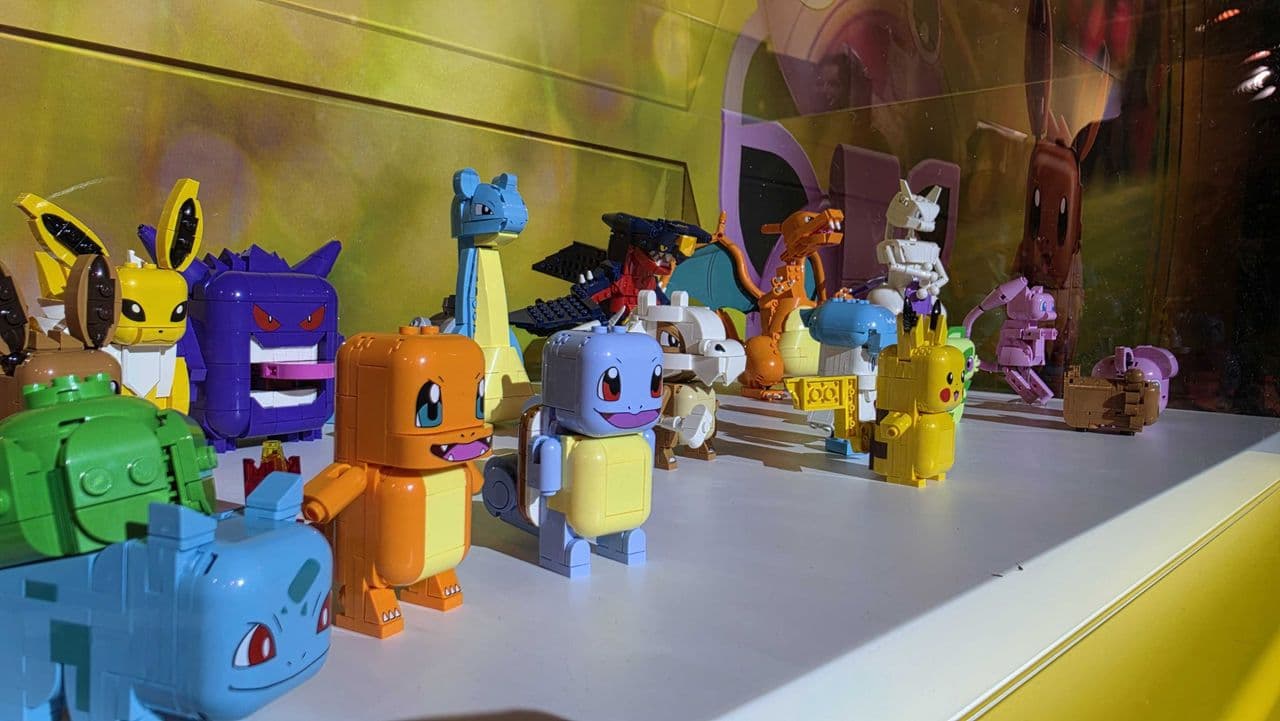
Lego is taking its partnership with Pokémon to a new level. The company has released 12 new sets that combine traditional brick building with digital features. The move signals a broader push into interactive play that bridges physical and virtual worlds.
A New Approach to Smart Play
The sets include augmented reality elements and app-based interactions. Children can scan their completed builds to unlock digital content. This creates a layered experience where the physical model becomes a gateway to on-screen activities.
Lego designers focused on how children naturally play with the sets. They observed kids mixing characters, creating stories and reconfiguring scenes. The digital layer extends those behaviors rather than replacing them.
Each set includes a unique code that activates the interactive features. The app recognizes the specific build and responds accordingly. This avoids generic interactions and keeps the experience tied to the physical creation.
Why This Matters
The toy industry has struggled to integrate digital features without undermining hands-on play. Many smart toys fail because they prioritize screens over physical interaction. Lego's approach keeps building at the center while adding value through technology.
Parents have grown wary of toys that demand excessive screen time. These sets limit digital engagement to short bursts tied directly to the build process. The app serves as an enhancement rather than a replacement for traditional play.
The partnership also taps into two powerful cultural forces: Lego's enduring appeal as a creative tool and Pokémon's massive global fanbase. Combining them with thoughtful technology could set a new standard for hybrid toys.
Design Philosophy Behind the Sets
Lego designers emphasized storytelling in the development process. Each set represents a scene from the Pokémon universe but leaves room for imagination. Children can rearrange elements or mix characters from different sets.
The digital component adds context without dictating how children should play. It provides background information about Pokémon species or suggests building challenges but does not force a linear narrative.
Market Impact and Availability
The 12 sets range from small builds under $15 to larger kits around $100. This pricing strategy makes entry accessible while offering depth for dedicated fans.
- Small builds target younger children or casual buyers
- Medium kits offer more complex construction