Editor: Porcia Akua Holmes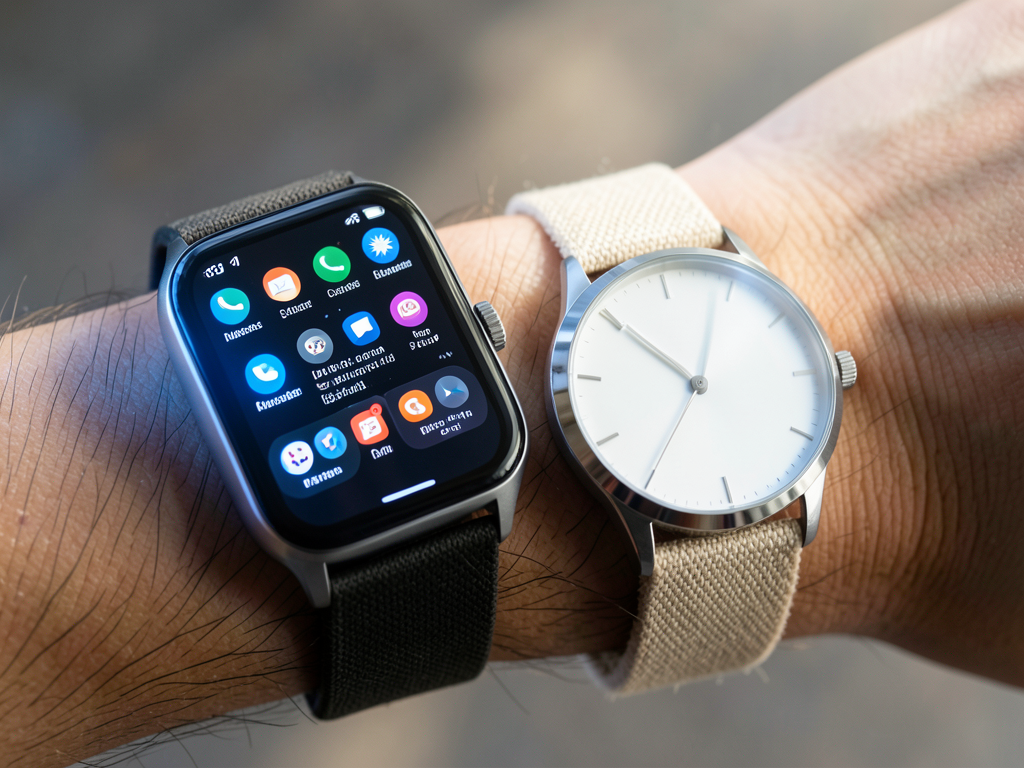
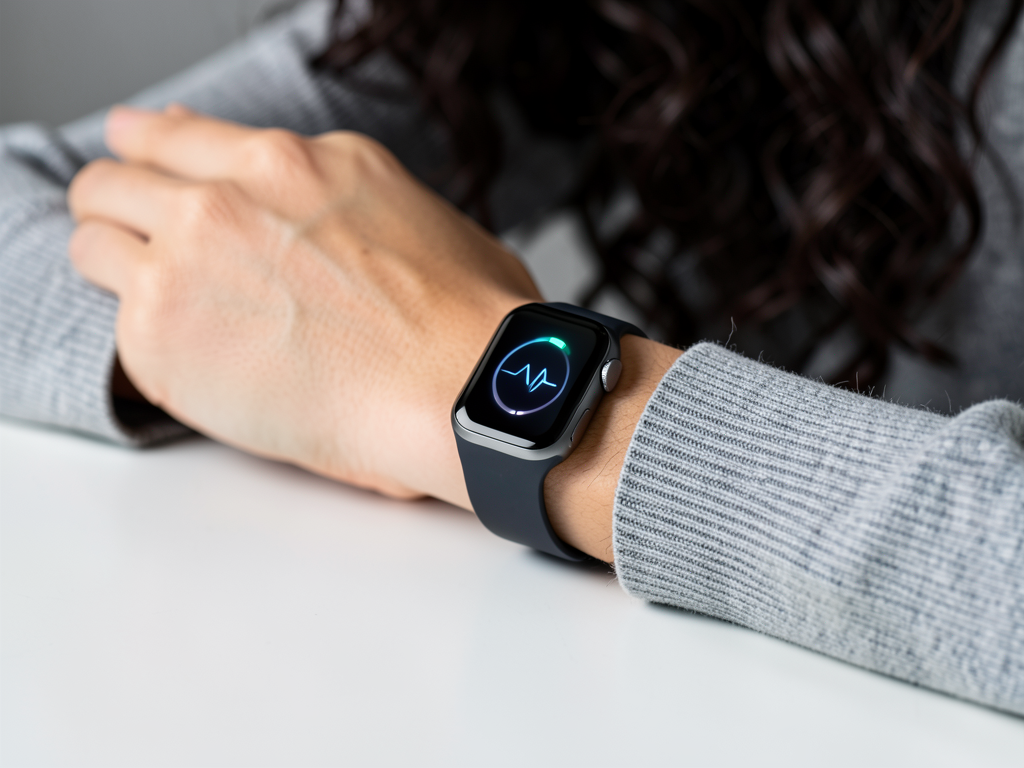
A growing number of consumers are trading their multifunction smartwatches for devices that do far less. The shift reflects a broader backlash against constant notifications and screen time that has defined the wearable market for nearly a decade.
The Shift Toward Simplicity
Sales data from major retailers shows a steady uptick in demand for basic fitness trackers and traditional analog watches. Brands like Garmin report strong growth in their non-smartwatch fitness lines while Apple has seen slowing upgrades among existing Watch users. The trend is most pronounced among younger buyers who grew up with smartphones but now seek intentional breaks from digital noise.
Companies such as Fitbit originally built their reputation on simple step counting before adding smart features. Now some users are returning to that original model preferring devices that track activity without buzzing with emails or social alerts.
Why This Matters
The move away from smartwatches has real consequences for both consumers and the tech industry. For users it means less distraction during workouts and daily life along with longer battery life that can last weeks instead of hours. For companies like Apple and Samsung it threatens a lucrative upgrade cycle built on adding more features each year.
If the trend accelerates it could reshape the wearable market toward specialized devices rather than general purpose computers on the wrist. That would force hardware makers to rethink product roadmaps and marketing strategies.
What's Driving the Change
Several factors explain the pivot. Screen fatigue tops the list as people become more aware of how often they check their wrists. Privacy concerns also play a role since smartwatches collect sensitive health data that some users prefer not to share with tech giants.
Cost is another factor. Premium smartwatches often cost several hundred dollars while a capable fitness tracker or quality analog watch can be had for under $100. The value proposition shifts when users realize they do not need another screen competing for attention.
The Future of Wearables
The industry may split into two paths. One leads toward ever more capable health monitoring devices that blur the line between medical tools and consumer electronics. The other returns to minimalist designs focused on core functions like timekeeping and basic activity tracking.
Companies that can serve both segments will likely thrive. Those that bet everything on complex smartwatches may find themselves left behind as users vote for simplicity with their wallets.