Latest News

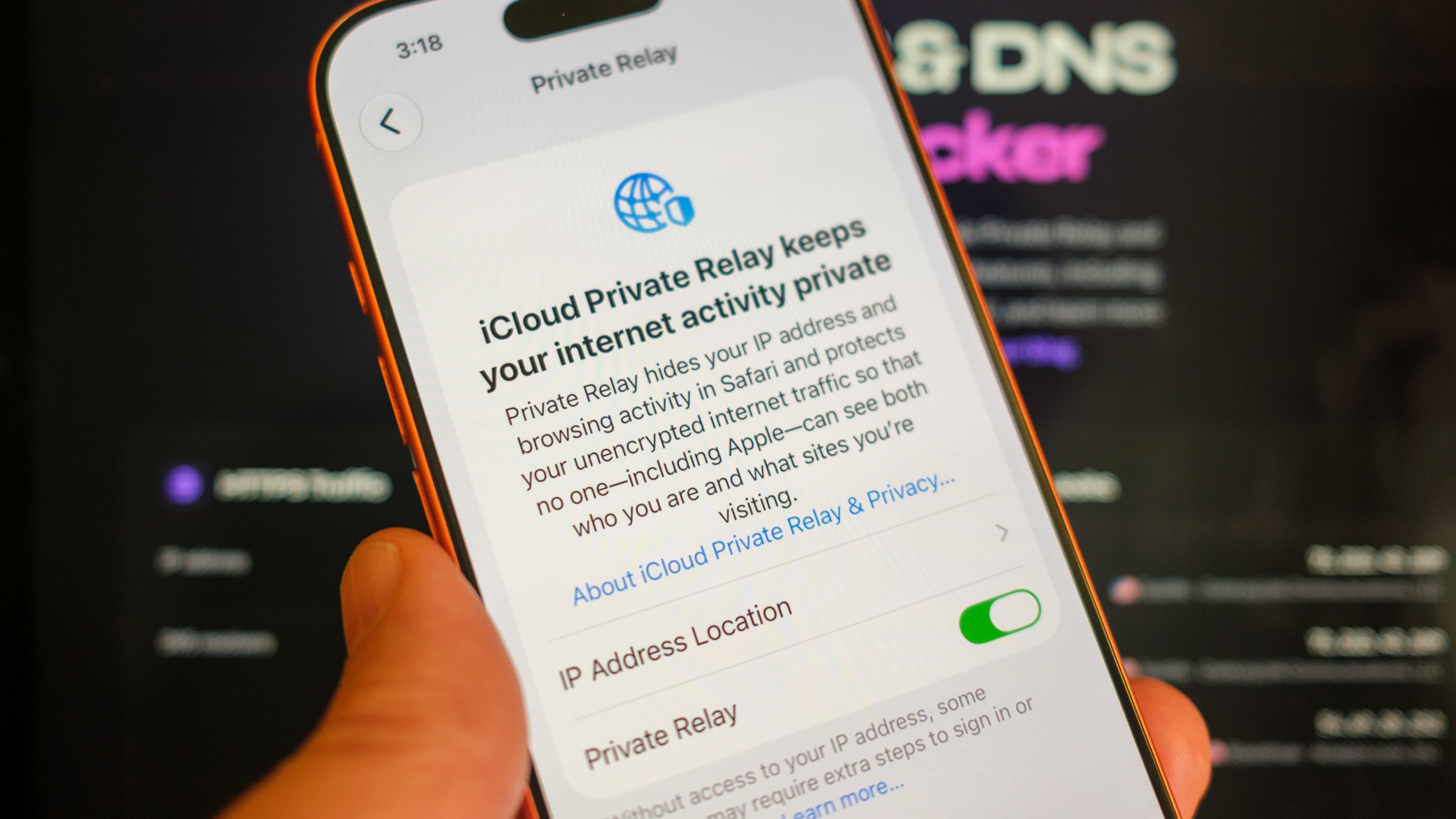
Apple Private Relay Flaw Exposes User IP Addresses Despite Privacy Promise
A security researcher found that Apple's Private Relay can leak users' real IP addresses, undermining the iCloud+ privacy feature.

AI Hacking Tools Reach New Heights but Still Depend on Human Expertise
Security researcher James Kettle tested AI's hacking limits, finding that combining AI with human skill creates the most dangerous cyberattacks.

Critical BMC Vulnerabilities Expose Thousands of Enterprise Servers
Thousands of enterprise servers contain exploitable flaws in baseboard management controllers, allowing remote attackers deep access to data centers.

Security Flaws in OpenAI's Atlas Browser Could Allow Unauthorized Purchases and Message Spam
Zenity researchers found security flaws in OpenAI's Atlas browser that could allow hijacking for unauthorized Amazon purchases and WhatsApp spam. The risks underscore AI browser vulnerabilities.

Decimen Optical Transfer Uses Fountain Codes to Ship Files via QR
Decimen Optical Transfer uses fountain codes to encode files into QR codes, enabling reliable offline data transfer via camera scanning.

Why LLMs Cannot Break Symmetric Cryptography: A Technical Reality Check
Large language models cannot crack symmetric encryption due to fundamental algorithmic limits. Experts confirm AI poses no threat to established cryptographic standards.

75-Inch TV Market Shifts as Premium Features Reach Lower Prices
The 75-inch TV segment is evolving rapidly with Mini-LED and OLED advances. Expert testing reveals key trends for 2026 buyers.

Apple's Private Relay Defeated by WebKit Flaw That Exposes User IP Addresses
Apple's iCloud Private Relay leaks real IP addresses due to three WebKit features. Researchers Talal Haj Bakry and Tommy Mysk discovered the flaw affecting Safari users on iOS.
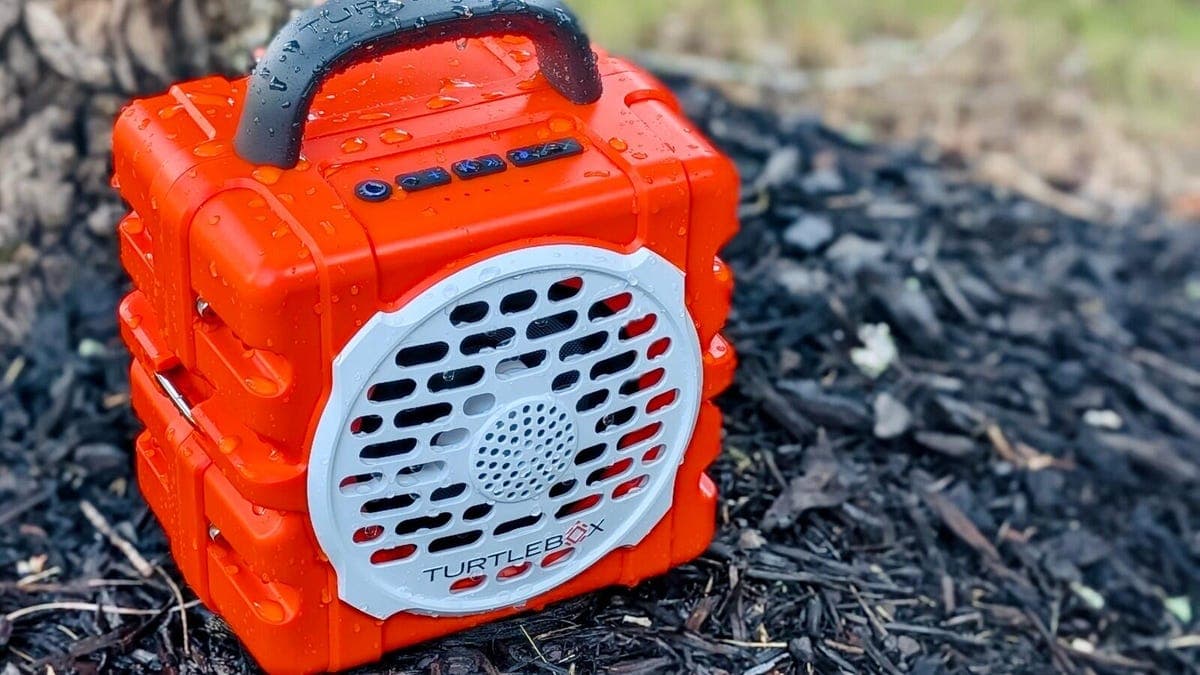
Turtlebox Cub Challenges Bose and JBL With Rugged Floating Design
Turtlebox launches the Cub, a compact floating speaker that takes on Bose and JBL with extreme durability and portability for outdoor use.
Cloudflare OS Launches as Open Platform for AI Agents and Applications
Cloudflare OS offers an open infrastructure for building and deploying AI agents, apps and workflows at the edge, expanding the company’s serverless ecosystem.

Meta's Muse Code Tackles Large Code Bases With New AI Agent
Meta launches Muse Code, an AI agent designed for large code bases, promising to handle complex software tasks beyond simple code generation.

Sula Brings Gemini Protocol Server to Scryer Prolog
A new Gemini server built in Scryer Prolog expands the lightweight protocol's ecosystem and showcases Prolog's networking capabilities.

AI Weather Prediction Advances But Monetization Remains Elusive
WindBorne Systems raises $15M to scale AI-powered weather balloons. The technology improves forecasts but the business model faces challenges.

The Cost Of Skipping Junior Engineers: A Talent Pipeline Crisis
Many tech companies avoid hiring junior engineers to cut costs amid AI adoption. But this short-term strategy risks long-term innovation and a broken talent pipeline.
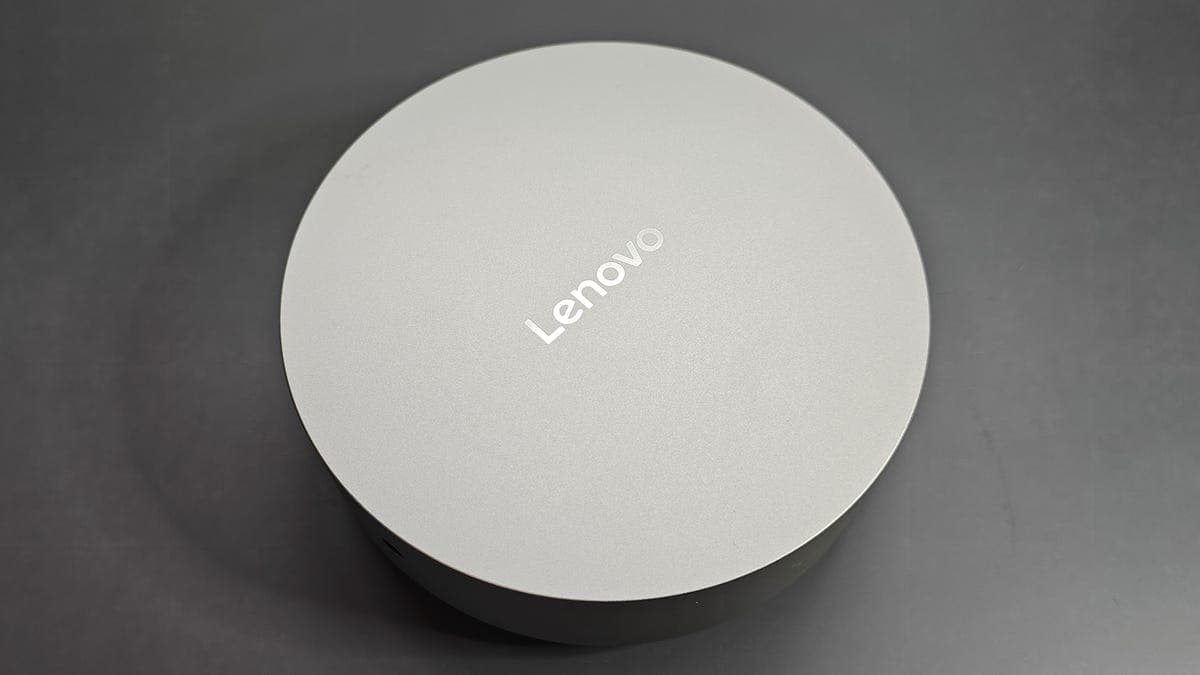
Compact Computing Evolves: Yoga Mini Gen Brings Power to Small Form Factor
Lenovo's Yoga Mini Gen challenges the mini PC market with a round design and desktop-grade performance in a portable chassis.

SpaceX President Gwynne Shotwell Details Starlink Mobile Plan to Rival Major Carriers
SpaceX plans to build a terrestrial mobile network using EchoStar spectrum, directly competing with AT&T, T-Mobile and Verizon. President Gwynne Shotwell confirmed the strategy on an earnings call.

Phishers Hijack Cloud Infrastructure to Bypass Email Security Filters
Phishers are abusing legitimate cloud services to host phishing pages, evading traditional security tools. This trend increases credential theft risks for organizations using major cloud providers.

SpaceX Rocket Crash Highlights Growing Space Debris Threat
An abandoned SpaceX rocket stage has impacted the lunar surface. The event underscores mounting risks from unmanaged orbital debris in cislunar space.

Chinese Researchers Show AI Models Can Act as Self-Replicating Worms
New research from Chinese academics demonstrates AI models can autonomously replicate and spread like computer viruses, raising urgent cybersecurity concerns.