Senior Editor: Alan Agbele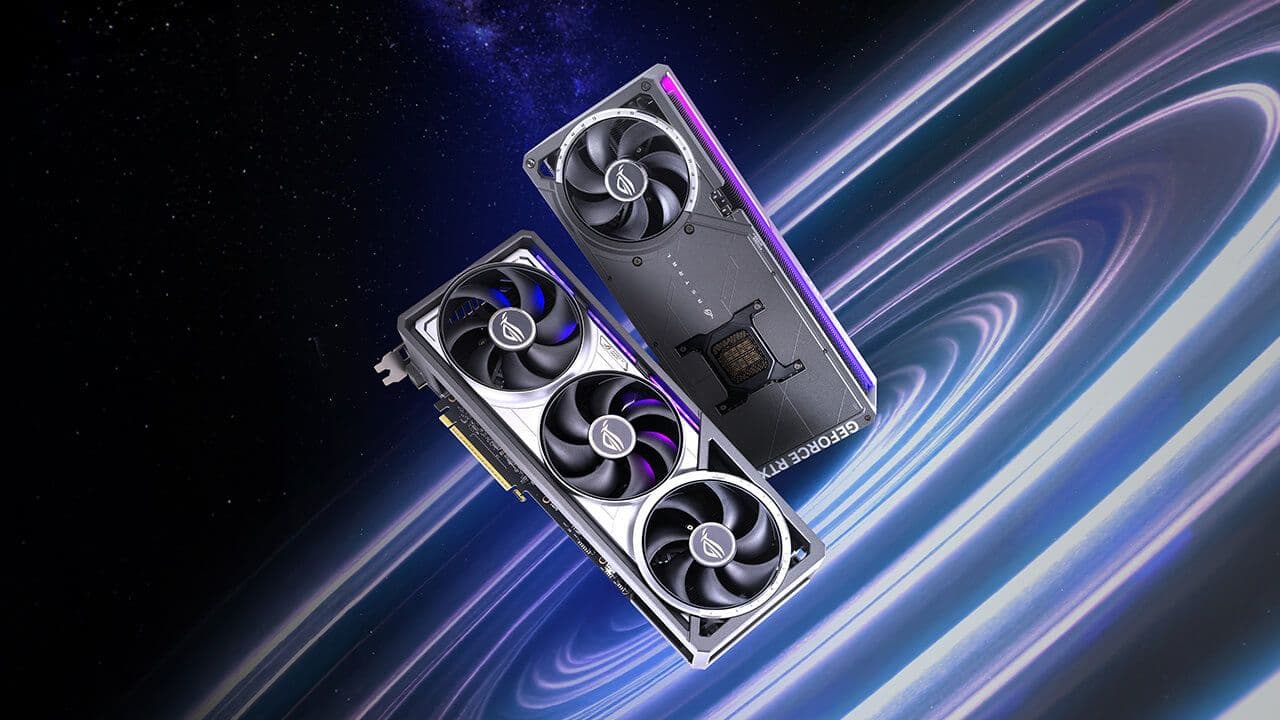
A free open-source tool now offers owners of high-end ASUS graphics cards a way to automatically kill system power before a connector meltdown occurs. Created by developer Humza Khalid, the software monitors per-pin current draw on the power connector and shuts down the PC if any single pin exceeds 9.5 amps for longer than 15 seconds.
How The Guard Monitors Power and Responds
The tool, hosted on GitHub and announced on Reddit, targets ASUS ROG Astral RTX 5080 and RTX 5090 cards as well as the ROG Matrix RTX 5090. These GPUs include dedicated per-pin current sensors not found on most other models. Khalid designed the software to poll the I2C bus on the card twice per second, reading the current on each of the six +12V pins. It requires only 35MB of RAM and minimal CPU time, making it light enough to run continuously in the background.
The default threshold of 9.5A is slightly above ASUS' own warning level of 9.2A set in GPU Tweak III. Image credit for the tool's interface goes to Khalid and the GitHub repository. Unlike ASUS' software, which simply throws a visible or audible warning, the Guard tool takes decisive action. While ASUS' warning may go unnoticed during gaming, the Guard ensures the system goes down before damage occurs.
A Community Safeguard Against a Known Flaw
The existence of this tool underscores a broader issue: NVIDIA's high-power connectors have a safety margin that many owners consider inadequate. Despite a revision from 12VHPWR to 12V-2x6, the fundamental wiring and contact points remain unchanged. Users have reported melted connectors on cards costing thousands of dollars. Khalid's solution represents a grassroots effort to fill a gap left by manufacturers. It also highlights that only a handful of ASUS cards carry the necessary per-pin sensors, limiting the tool's reach.
Why This Matters
The Guard tool changes the risk calculus for owners of these expensive GPUs. Instead of relying on passive warnings, users gain an active failsafe that can prevent catastrophic hardware failure. This may pressure manufacturers like ASUS and NVIDIA to integrate similar automatic safeguards into their own software or hardware. For the broader PC enthusiast community, it demonstrates how open-source development can address design shortcomings. The trend of users building their own safety nets for high-stakes hardware problems is likely to continue as components push power limits to the edge.