Editor: Porcia Akua Holmes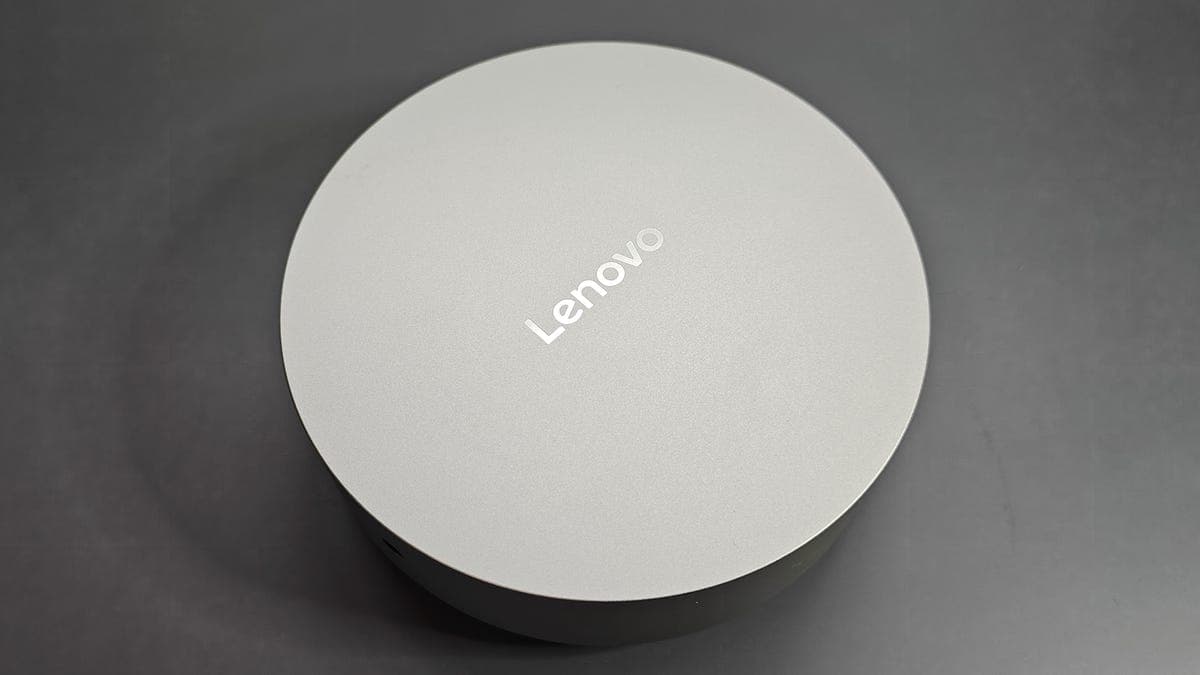
Lenovo's Yoga Mini Gen challenges the notion that small PCs compromise on performance. The compact desktop, designed for portability without sacrificing power, targets users who need a capable workstation that fits in a backpack.
Design and Portability
The Yoga Mini Gen's cylindrical chassis is a deliberate departure from the boxy mini PCs common today. Its compact footprint occupies minimal desk space while its lightweight construction makes it easy to carry between home and office. This form factor appeals to users who need a consistent computing environment without hauling a full tower.
Performance and Connectivity
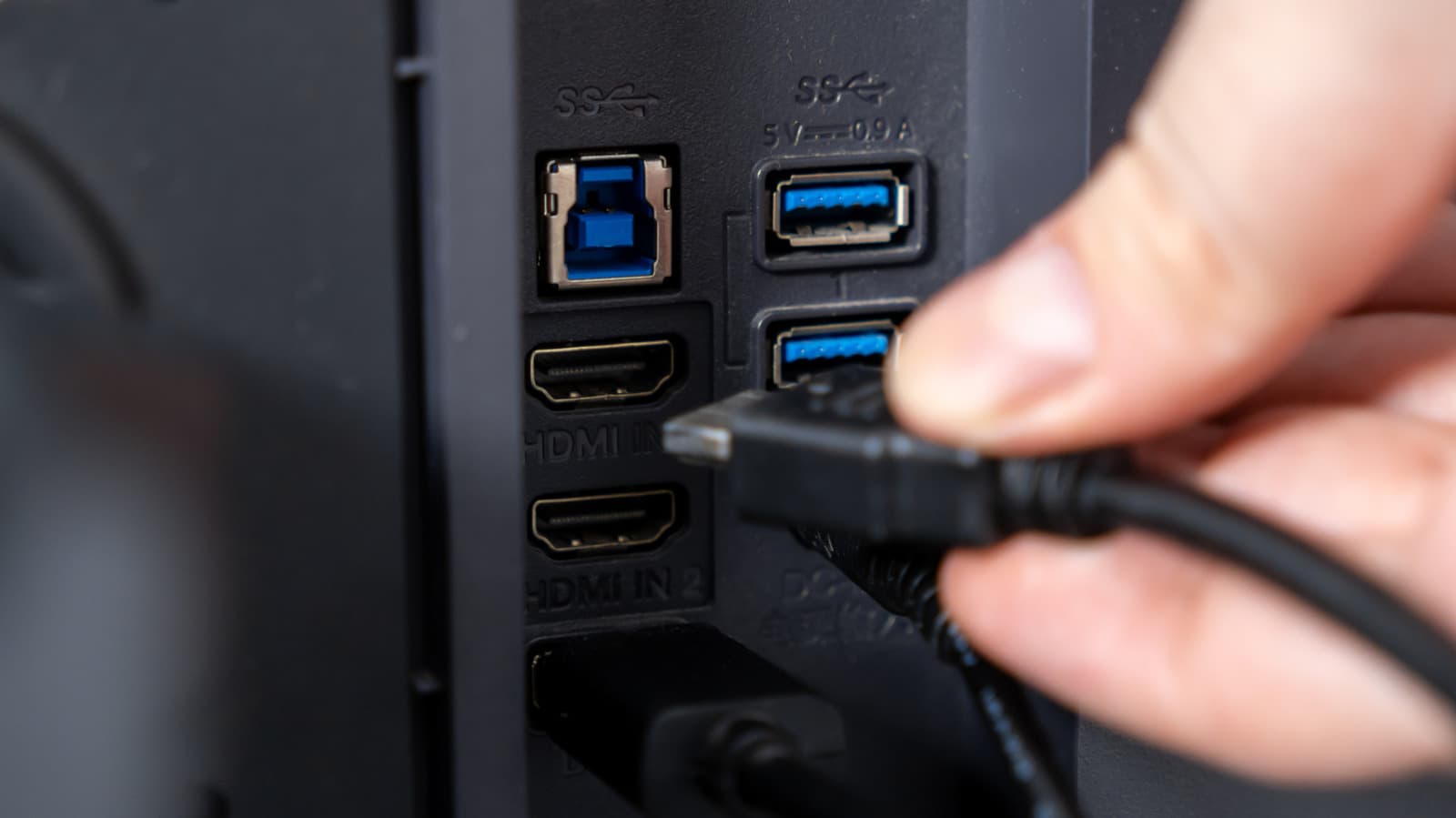
Lenovo equipped the Yoga Mini Gen with components that match many mid-range desktops. The system supports multiple displays and modern connectivity standards, ensuring it can handle productivity tasks and light creative work.
Why This Matters
The Yoga Mini Gen signals a shift in how consumers and businesses think about personal computing. As remote work persists, the demand for portable yet powerful machines grows. This device offers a middle ground between a laptop's mobility and a desktop's expandability, potentially reducing the need for multiple computers. Its round design also tests whether aesthetics can influence purchasing decisions in a category often judged solely on specs.
Market Context
This compact system arrives during a period when mini PCs are gaining traction among IT departments for space-saving deployments. Lenovo's approach with the Yoga Mini Gen could set a new benchmark for design in a segment that has traditionally prioritized function over form. The success of this model may encourage other manufacturers to experiment with unconventional shapes.