Senior Editor: Alan Agbele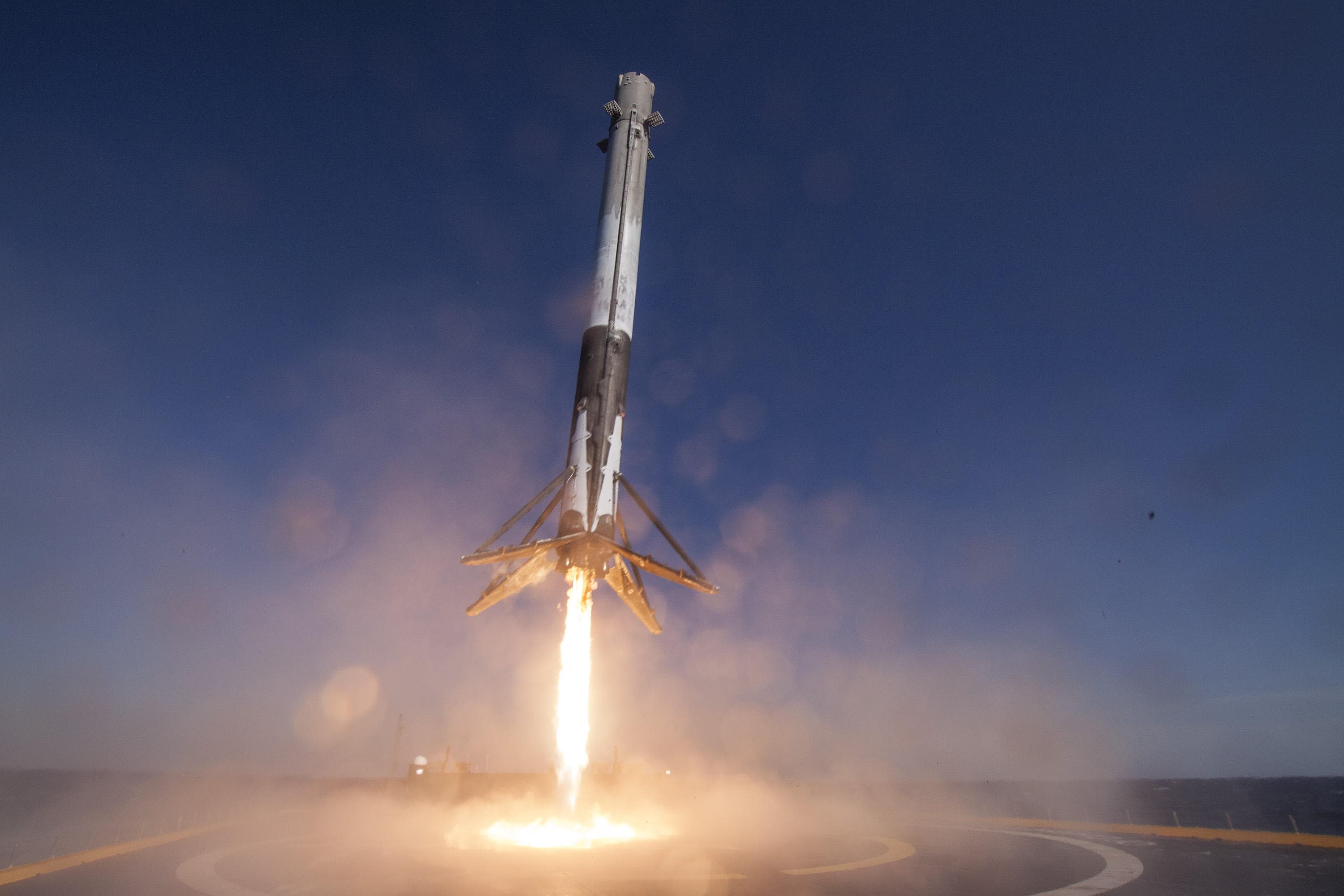
An abandoned SpaceX rocket crashed into the Moon, ending a months-long drift that turned a forgotten piece of hardware into a symbol of the growing space debris problem. The impact, confirmed by tracking observations, marks one of the few known unintentional collisions of human-made material with the lunar surface.
The Story Behind the Crash
The stage originally helped deliver the DSCOVR climate satellite to a Sun-Earth Lagrange point. Once its job was done, the booster did not have enough propellant left to steer itself into a safe disposal orbit. Instead, it began a slow, tumbling drift influenced by Earth, Moon and Sun gravitational pulls. For years it was effectively lost to tracking networks, until a team of orbital dynamicists recalculated its trajectory and predicted the collision.
Why This Matters
For lunar scientists and planetary protection advocates, the crash forces a difficult conversation. The Moon is littered with natural craters, but human-made scars add a new variable to future exploration. Each uncontrolled impact risks contaminating potential science zones, including permanently shadowed craters that may hold water ice. The lack of binding international rules for disposing of hardware in cislunar space means more such events are likely as lunar missions multiply. Commercial operators, space agencies and regulators face a growing need to treat the Moon as a protected environment, not just a destination.
Tracking the Unseeable
Space debris monitoring has traditionally focused on low Earth orbit. Cislunar space, the region between Earth and the Moon, remains poorly surveyed. The Falcon 9 stage was too small and too faint for routine radar detection. Only after the fact could astronomers confirm the new crater with orbital images. The gap in coverage means other abandoned stages could follow similar paths without warning.