Results for "browser debug tool"
32 results found

New Browser Tool Oproxy Lets Developers Inspect and Modify Network Traffic Without External Proxies
Oproxy is a new open-source tool that runs in the browser to intercept and modify HTTP requests. It aims to simplify debugging for web developers by eliminating the need for external proxy software.

The End of the Keyword: Google Overhauls Its Search Box for the AI Age
Google replaced its classic 25-year-old search box with an AI-powered interface that accepts text, images and videos. The redesign merges AI Overviews and AI Mode into one seamless experience. One billion users already use AI Mode, signaling a shift from keyword search to conversational AI.

A Browser-Based Museum Lets Anyone Run 1,700 Vintage Operating Systems
A new online museum offers free access to over 1,700 historic operating systems, all running in a web browser. Users can explore computing history from the 1940s to today without installing software.

Vivaldi 8.0 Redesigns Browser Interface with Enhanced Customization
Vivaldi Technologies releases version 8.0 of its browser, featuring a major design overhaul that prioritizes user customization and streamlined navigation.

New Side-Channel Attack Uses Browser Storage to Fingerprint Devices
Researchers developed FROST, a side-channel attack using OPFS-based SSD timing in browsers to create persistent device fingerprints that bypass privacy protections.

Google Chrome's New Encryption Blocks Cookie Theft by Malware
Chrome now encrypts browser cookies at the system level, preventing malware from reading and stealing them to hijack user sessions.

Ember.js 7.0 Arrives With Major Rewrite and Modernized Tooling
Ember.js 7.0 introduces a new reactivity system, drops legacy browser support, and improves TypeScript integration. Developers must prepare for breaking changes.

Security Experts Question IPv6 Zone ID Design in Web URLs
IPv6 zone identifiers in URLs create security and usability problems. Critics call the feature a mistake. Network engineers and browser developers are affected.

Microsoft Edge to Require Windows Hello for Password Access Starting Tomorrow
Microsoft ends password-based authentication for Edge's password manager. Users must switch to Windows Hello for access.

Google Chrome brings approximate location sharing to Android users
Chrome on Android now lets users share an approximate location instead of precise coordinates. The feature adds a privacy layer for web browsing and will expand to desktop soon.

Google Releases Exploit for Unfixed Chromium Bug
Google released exploit code for an unpatched Chromium vulnerability that could let attackers monitor users and create botnets. The flaw has remained unfixed for 29 months.

DuckDuckGo User Surge Follows Google's AI Expansion Announcement
DuckDuckGo saw a sharp rise in new users after Google deepened AI integration in search. Privacy concerns and dissatisfaction with AI overviews drove the shift.

New SSD Side-Channel Attack Lets Websites Spy on User Activity
Researchers uncover a technique that exploits SSD access patterns to track user behavior online. The attack requires specific conditions but raises fresh privacy concerns.

Chrome Proposes New API for Efficient Page Updates
Google Chrome has proposed a new web API for declarative partial updates, aiming to reduce full re-renders and boost performance in complex web apps.

The Writerdeck Trend: Distraction-Free Writing Machines Gain Followers
The writerdeck trend sees creators building minimalist writing machines to escape digital distractions, using Raspberry Pi and e-ink screens.

YC-Backed Flick Seeks Front-End Engineer for AI Filmmaking Platform
YC-backed Flick is hiring a front-end engineer to build a collaborative platform for AI filmmaking, aiming to become the Figma of the industry.

Hacker News Project Brings Realistic Soft Body Physics to Developers
A developer showcased a soft body jiggle physics project on Hacker News, highlighting real-time deformable simulations for games and animation.
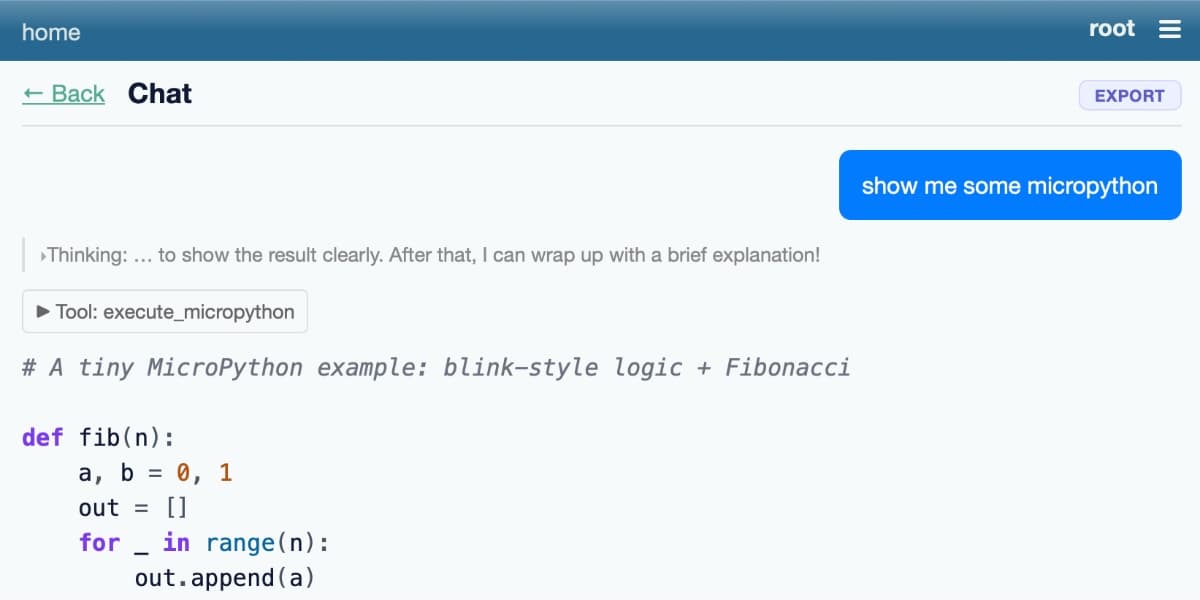
MicroPython and WebAssembly Create a New Path for Python Sandboxing
MicroPython compiled to WebAssembly offers a lightweight, secure sandbox for Python code. It enables safe execution in browsers and servers, addressing a key need for platforms that run untrusted scripts.

Mozilla Expands Free VPN Service to New Countries
Mozilla has expanded its free VPN offering, adding servers in more countries. Users gain broader privacy access but should understand free VPN trade-offs.

Microsoft Warns AI Chatbots Are Steering Users to Malicious Sites
Microsoft warns that AI chatbots may direct users to malicious websites as threat actors adapt social engineering. Users should verify links carefully.