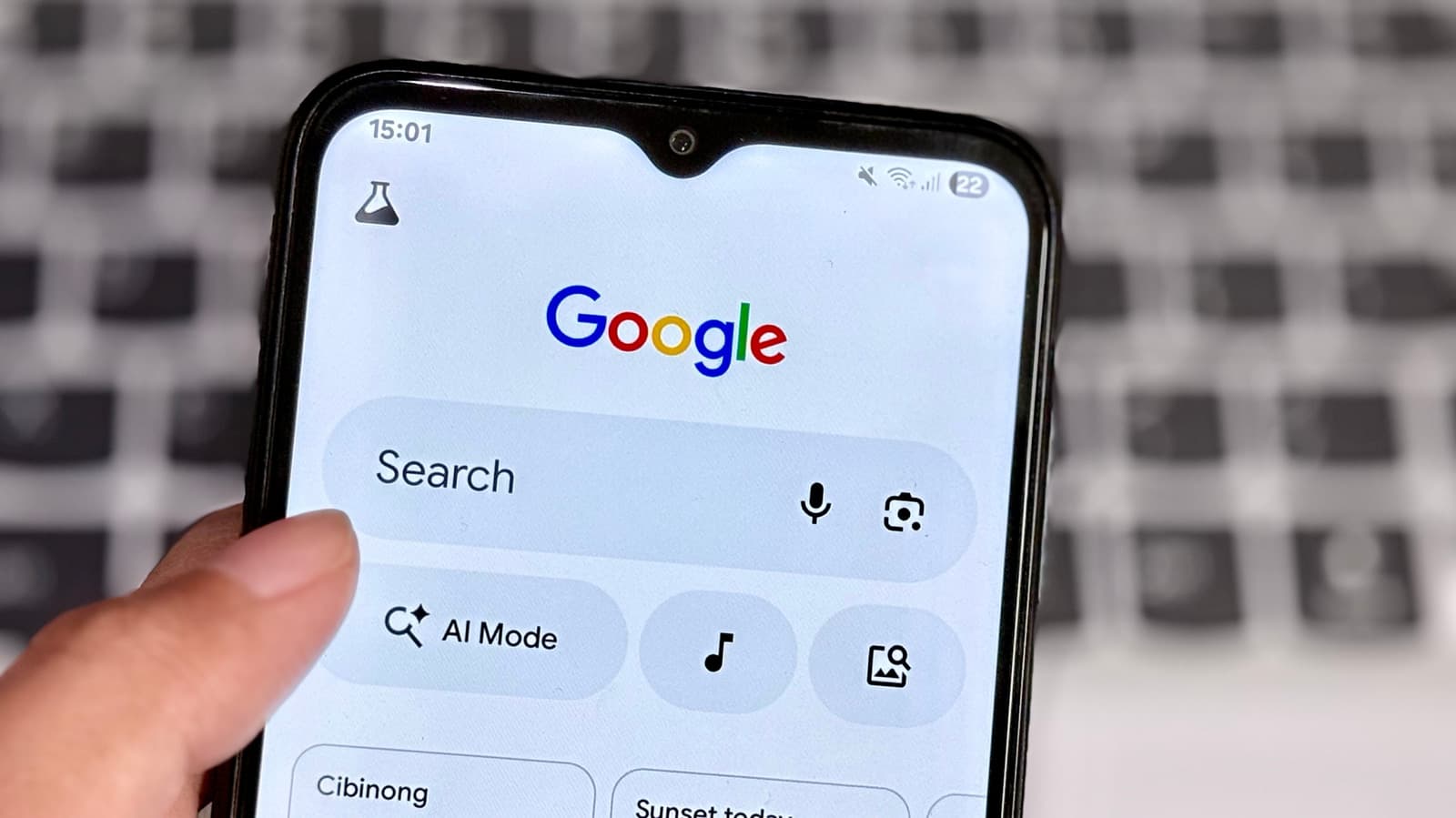
Google is rolling out a targeted location sharing option for Chrome on Android. The browser now allows users to share only an approximate location with websites instead of revealing their precise coordinates. The change gives Android users more control over their privacy while browsing the web.
How the feature works
When a website requests location access, Chrome will display a new option. Users can choose to share an approximate location based on a larger area rather than an exact GPS fix. The feature uses the same underlying permissions system on Android but filters the data sent to websites. Google says the approximate location is calculated from a broader geolocation estimate.
The update applies to all websites that request location through the browser. Users can switch between precise and approximate sharing on a per site basis. The setting appears in the same prompt where users grant or deny location permission.
Desktop expansion coming
Google plans to bring the same approximate location feature to Chrome on desktops. The company did not provide a specific release date but confirmed the feature is in development. Desktop users will likely see a similar toggle in the browser's location permission dialog.
The move aligns with broader industry trends toward privacy conscious location sharing. Apple’s Safari has offered approximate location in iOS for years. Mozilla’s Firefox also provides location blocking controls but lacks the granular approximate option.
Why This Matters
Location data reveals daily patterns, home addresses and work commutes. Sharing exact coordinates with every site that asks poses real privacy risks. Approximate location sharing limits that exposure without breaking services that rely on general area information like weather apps or local news sites.
Users who want to keep their movements private now have a practical middle ground. The feature shifts control from all or nothing to a more nuanced choice. For Android users who rely on Chrome as their primary browser, this update is a meaningful privacy upgrade.
Google's decision to extend the feature to desktop signals that location privacy is becoming a standard expectation across platforms. The change does not require any action from users. It will appear automatically in Chrome on Android with the latest update.