Senior Editor: Alan Agbele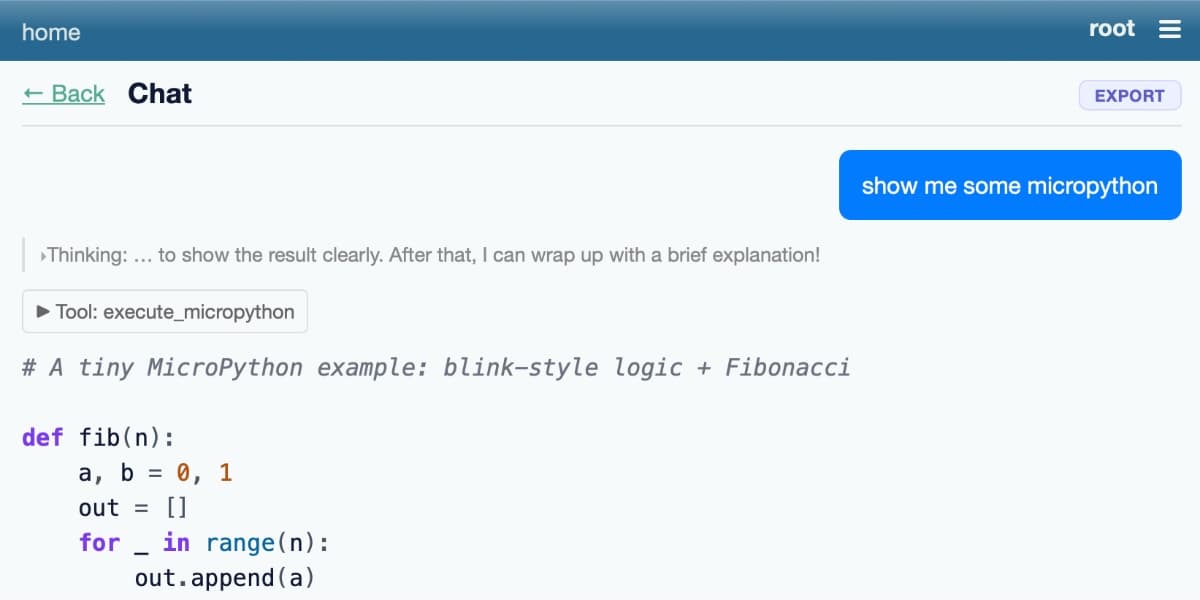
A new method for running Python code in a secure sandbox has emerged, combining MicroPython with WebAssembly. The approach addresses a long-standing challenge: how to execute untrusted Python scripts without risking system security.
Traditional Python sandboxing often relies on restrictive environments or virtual machines. These can be heavy or leaky. The new technique uses MicroPython, a lean implementation of Python 3, compiled to WebAssembly. This allows Python code to run inside a browser or any WebAssembly runtime with strong isolation.
How the Sandbox Works
MicroPython is designed for microcontrollers. Its small footprint makes it ideal for embedding. When compiled to WebAssembly, it runs in a sandboxed environment that cannot access the host system directly. The WebAssembly runtime provides memory safety and controlled execution.
Developers can load MicroPython as a WebAssembly module and pass Python scripts to it. The script runs in a restricted context. It cannot call operating system functions or access files unless explicitly allowed. This makes it suitable for executing user-submitted code in web applications, educational platforms or API endpoints.
The combination of MicroPython and WebAssembly offers a lightweight alternative to heavier sandboxing methods. It works across browsers, Node.js and server-side runtimes that support WebAssembly.
Why This Matters
For developers building platforms that accept user code, sandboxing is critical. Online coding tutorials, collaborative editors and automation tools all face the risk of malicious or buggy scripts. A simple and reliable sandbox reduces that risk.
This approach also matters for browser-based applications. Running Python directly in the browser without a backend server opens new possibilities for offline tools, interactive documentation and client-side data processing. The sandbox ensures users cannot accidentally harm their own system.
The technique is already generating interest in the open source community. Early experiments show that MicroPython in WebAssembly can execute a useful subset of Python, including standard libraries and custom modules. Performance is sufficient for many scripting tasks.
As WebAssembly support grows across platforms, this sandboxing method could become a standard tool for secure code execution. It combines portability, security and ease of use in a single package.