A quiet movement is building around a niche piece of hardware: the writerdeck. These single-purpose typing machines strip away browsers, notifications and social media to create a space for focused writing. Recent discussions on online forums show renewed interest in building and customizing these devices.
What Is a Writerdeck
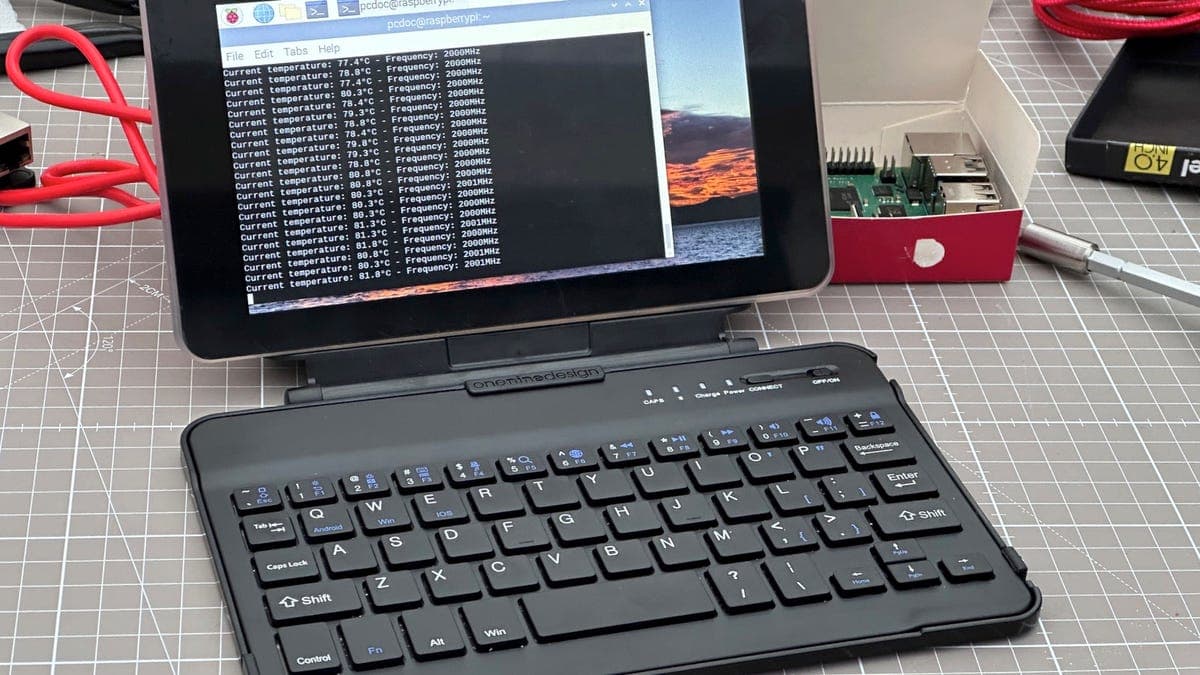
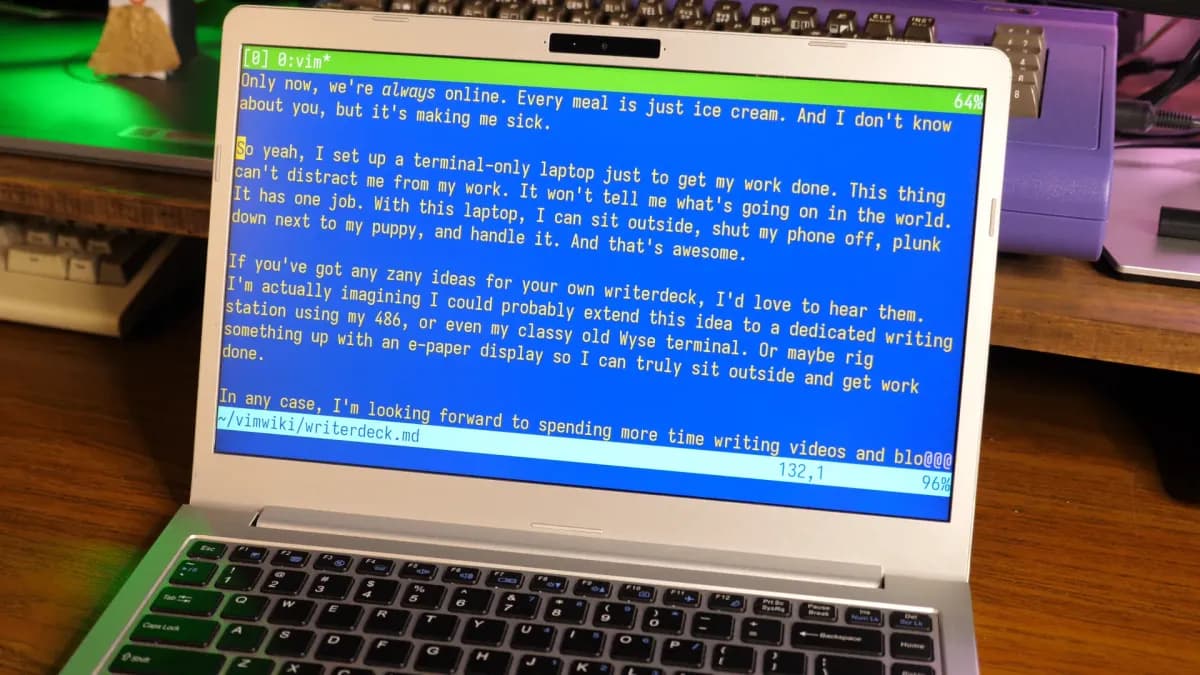
A writerdeck is a portable, dedicated writing tool. It typically runs on a low-power computer like a Raspberry Pi and connects to a keyboard and an e-ink or small LCD screen. The software is often a simple text editor with no web browser. The goal is to eliminate digital distractions and provide a tactile, typewriter-like experience with modern benefits like cloud sync or file export.
Builders choose from various designs. Some use folding screens and mechanical keyboards. Others repurpose old laptops or e-readers. The common thread is intentional limitation: no multitasking, no internet during a writing session.
Why This Matters
Anyone who struggles with digital distraction is directly affected. The writerdeck offers a physical solution to a cognitive problem. By separating the act of writing from the endless pull of the web, users report higher productivity and deeper focus. This matters for writers, students, programmers and anyone who needs to produce text without interruption. The trend also highlights a broader shift toward minimalism in personal technology.
For gadget enthusiasts, writerdecks represent a return to first principles. Building a writerdeck requires selecting components, writing software and assembly. It is a hands-on project that blends computing history with modern DIY culture.
Hardware and Community
The Raspberry Pi is a common base due to low cost and power draw. Displays range from 7-inch e-ink panels to small OLED screens. Keyboards vary from ultraportable folding models to full-sized mechanical boards. Software choices include custom Linux builds with only a text editor and a file manager.
Online communities share build logs, parts lists and software configurations. Some sell pre-built kits. Others open source their designs. The movement is small but active, with participants often citing a desire to reclaim the writing process from bloated operating systems and cloud services.
The Future of Focused Writing
Writerdecks remain a niche product. They are not for everyone. Yet their growing popularity suggests a hunger for simpler tools. As digital life becomes more intrusive, the appeal of a machine that does one thing well may spread. For now, the writerdeck stands as a testament to what happens when makers decide to design their own productivity tools.