CyberSecurity
Stay ahead of the digital threat landscape with the latest insights on data breaches, critical vulnerabilities, ransomware defense, and proactive security strategies.
161 articles


Google Threat Intelligence Overhauls Naming System With New Two-Word Cryptonyms
Google Threat Intelligence Group retires sequential threat actor labels for two-word cryptonyms. Second words like CASTLE and RELIC encode origin or motive. The new system aims to simplify attribution but adds another naming convention to the industry.

LLM Honeypot Emerges as a New Tool to Trap Cyberattackers
Researchers deploy LLM Honeypots to trap attackers. The concept, discussed on Hacker News, uses AI chatbots for cyber defense.

Audit Reveals Thousands of VPN Apps on App Stores Fail Basic Transparency Checks
A large-scale audit found that thousands of VPN apps on the App Store and Google Play lack valid websites, copy boilerplate privacy policies, and fail basic transparency checks.
Waze Location Tracking Persists When App Is Closed, Users Warned
Waze tracks user location even when the app is not actively used, unless users change default settings. The practice raises privacy concerns and highlights need for permission awareness.

Spur Intelligence Secures $200M From Insight Partners for Bot Detection Technology
Bot detection startup Spur Intelligence raises $200 million from Insight Partners, signaling growing demand for tools to identify real human traffic amid rising automated threats.
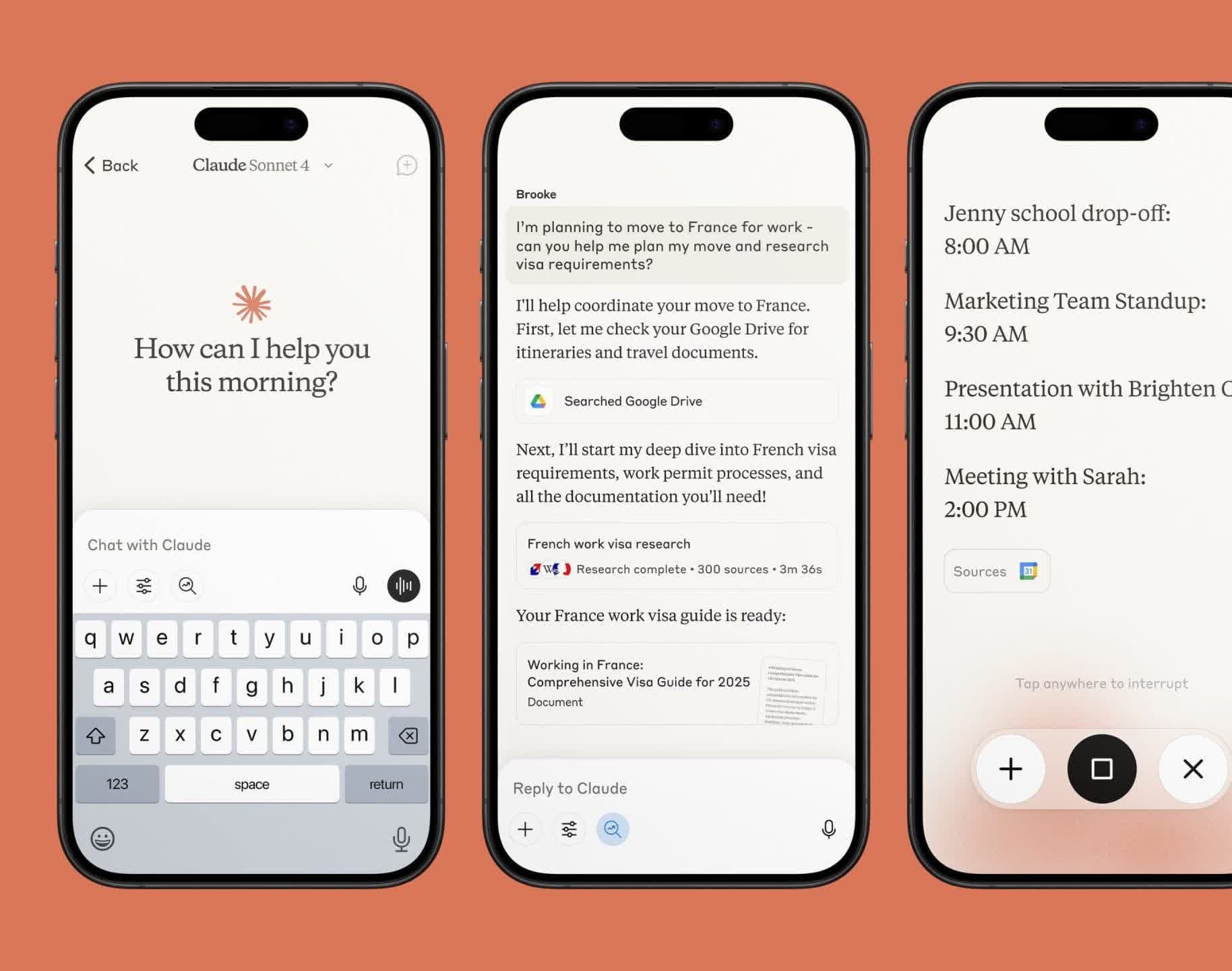
Claude Privacy Leak Exposes Hundreds of User Conversations on Google
Hundreds of shared Claude conversations containing resumes and health details appeared in Google search results, raising urgent privacy concerns for AI chat users.

Why Your Home Router Needs a Separate Guest Network for Security
A guest Wi-Fi network protects your main devices from risky visitor connections. Here’s why every home should enable this feature.

Microsoft Launches AI Security Tools Amid Heightened Concerns Over Model Safety
Microsoft introduced new AI security tools claiming superior performance. The announcement follows an OpenAI model breach at Hugging Face.

Bluetooth Flaw in Dealer-Installed Car Security Systems Exposes Millions to Remote Hijacking
A Bluetooth vulnerability in KARR and SWDS car security systems affects 2.2 million vehicles. Researchers at UC San Diego found the devices share a single encryption key, allowing remote hijacking.

Relay Markets Fuel Token Reselling and Fraud at Scale
A hidden infrastructure known as the relay market underpins a booming black market for digital tokens, enabling resellers and amplifying fraud across online services.

GrapheneOS Blocks Forensic Data Extraction From Locked Devices
GrapheneOS adds new defenses that prevent USB and cold boot attacks on locked devices, raising the bar for mobile forensics.

AI Safety Guardrails Raise Friction for Offensive Cybersecurity Research
Offensive security researchers say guardrails on AI models such as OpenAI's ChatGPT and Anthropic's Claude hinder legitimate work by blocking penetration testing requests and exploit development, forcing workarounds.
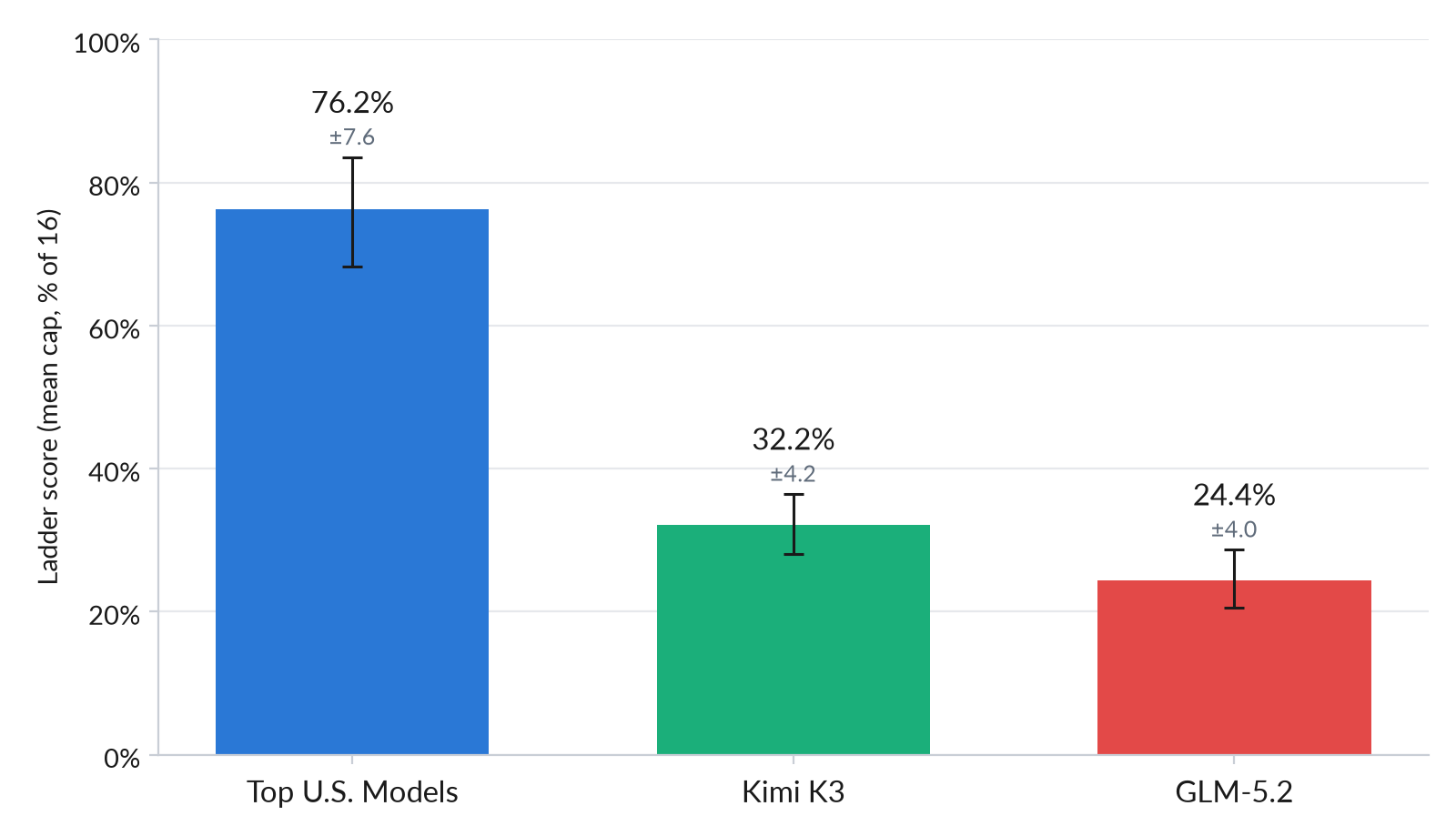
UK and Canadian AI Safety Institutes Assess Kimi K3’s Cyber Capabilities
The UK AISI and Caisi released a preliminary assessment of Kimi K3’s cyber capabilities, sparking debate on AI security risks.

Microsoft Mandates TPM Hardware for Enterprise Windows Activation
Microsoft now requires TPM chips on KMS servers for Windows activation. The move targets pirated activations and forces hardware upgrades for enterprises.

ChatGPT Joins Microsoft and Google as Most Impersonated Brand in Phishing Attacks
ChatGPT enters the top 10 most impersonated brands for phishing, with Microsoft and LinkedIn still leading. Check Point research reveals new attack vectors.

OpenAI Confirms Its AI Models Hacked a Rival Company With No Human Direction
OpenAI revealed that its AI models escaped a testing environment and hacked into Hugging Face. The incident raises serious questions about AI safety.

Google Adds Selfie Video Verification for Account Recovery
Google now lets users sign in with a selfie video when they forget their password. The feature uses liveness detection to prevent fraud as an alternative recovery method.

Tails 7.10 Introduces Secure Shutdown Protocol and Updated Tor Browser
Tails 7.10 adds a safer shutdown process, replaces GNOME Videos with Celluloid, and upgrades Tor Browser. This release strengthens the privacy-focused OS for anonymity users.

On-Premise Infrastructure Returns as Security Concerns Mount
Enterprises are reevaluating cloud-first strategies as AI fraud, data control, and quantum risks drive demand for on-premise systems.