Editor: Porcia Akua Holmes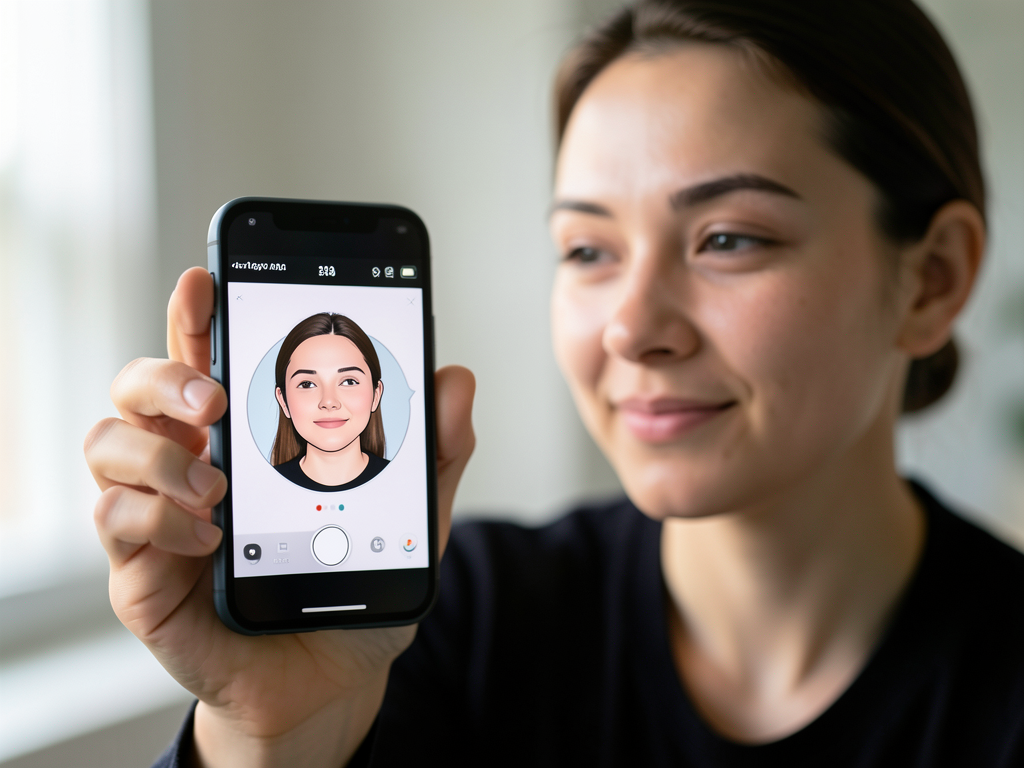
Google is rolling out a new account recovery method that lets users verify their identity with a selfie video, a move that could simplify regaining access to locked accounts while raising fresh questions about biometric data collection. The feature is designed for situations where users have forgotten their password or lost access to a trusted device.
How the Selfie Verification Works
When a user triggers account recovery, Google will prompt them to record a short selfie video. The system analyzes facial movements to verify liveness, comparing the video against the account owner's previously uploaded face data. The process does not require a password at the moment of verification.
Security and Privacy Trade-Offs
Biometric authentication offers convenience but introduces new risks. Unlike a password, a biometric identifier cannot be changed if compromised. Google, however, states that the selfie video is processed on-device and not stored long-term. The feature is optional, so users who prefer traditional passwords or hardware security keys can continue using those methods.
Security researchers have noted that liveness detection technology has improved but remains imperfect. Sophisticated deepfakes or 3D masks could theoretically bypass some systems. Google has not disclosed the specific anti-spoofing measures used, but the company has a track record of investing in robust AI-based detection tools for its products.
Why This Matters
This feature signals a broader shift in how Big Tech companies handle account recovery, traditionally a weak point in account security. For users who lose access frequently, selfie video verification could cut recovery time from days to minutes. For the industry, it normalizes biometric authentication outside of device unlocking, potentially pressuring rivals like Apple and Microsoft to offer similar options. Regulators may take note as well, given ongoing debates around biometric data collection and user consent.
The trade-off between convenience and privacy will define how widely this feature is adopted. Users who enable it gain a faster safety net but must trust Google with sensitive facial data. As biometric recovery becomes more common, the bar for security and transparency will rise accordingly.