Senior Editor: Alan Agbele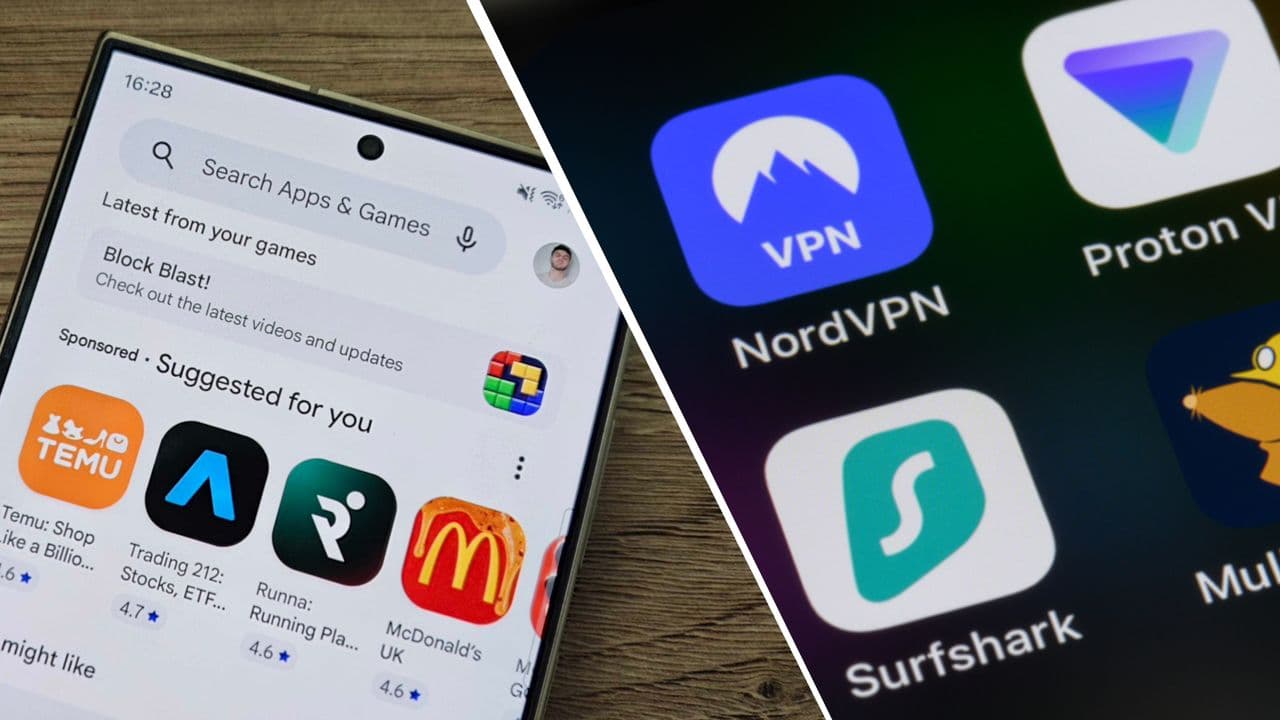
An expansive audit of mobile VPN apps has uncovered a troubling gap in storefront oversight. Out of nearly 4,800 VPN applications analyzed across the Android and iOS ecosystems, a significant majority failed to meet fundamental validity standards. The findings call into question the trust users place in official app stores.
Storefront Standards Diverge Sharply
Google Play performed significantly worse than the App Store across most transparency metrics. The audit found that just 52.2% of Android VPN apps maintain a valid developer website, while Apple's platform saw 82.7% compliance. But even among apps that listed a URL, nearly half of Android websites (46.9%) and a similar share of privacy policies (47.5%) were hosted on free third-party domains such as Google Sites, GitHub and Blogger. More than 1,200 Android developer links pointed directly to free Google pages. Apple showed better numbers but still had 15.6% of iOS websites and 18.3% of iOS privacy policies on free hosts.
Contact requirements also differ. Google Play mandates an email address, yet 65.1% of Android apps use public domain services like @gmail.com or @yahoo.com. The App Store does not require a developer email at all, leaving 83.8% of iOS VPNs without any direct contact method. This lack of accountability makes it nearly impossible for users to exercise data rights under regulations such as GDPR.
Rampant Privacy Policy Abuse
Trustworthy VPN providers like ExpressVPN and NordVPN submit to independent audits of their no-logs claims. The audit revealed that many mobile VPNs do not meet that standard. Instead, they display meaningless or copied text. In one case, 13 iOS apps shared identical boilerplate language that still contained template placeholders. Using free hosting for privacy policies means a provider can lose critical documentation if the third-party service suspends its account.
Image: Google
Why This Matters
The audit exposes a systemic failure in how Apple and Google verify the apps they distribute. For consumers, the practical risk is clear: downloading a VPN from an official store does not guarantee the service is legitimate, transparent or secure. Without a valid website, a verifiable business identity and a meaningful privacy policy, users cannot confirm how their data is handled. This opens the door to data misuse, surveillance and security failures. App store operators face growing pressure to tighten their vetting processes, especially as digital privacy becomes a regulatory priority worldwide. The current approach leaves millions of users vulnerable to deceptive practices under the guise of legitimate app store listings.