Results for "algorithmic credulity"
28 results found

Why Some Experts Compare AI Chatbots to Religious Belief Systems
A growing number of researchers argue people treat large language models with faith-like trust, raising concerns about blind reliance on AI.
Ireland Probes Meta Over 'Dark Patterns' in Non-Algorithmic Feeds
Irish regulators are investigating if Meta uses deceptive design to discourage users from choosing chronological feeds over algorithmic ones.
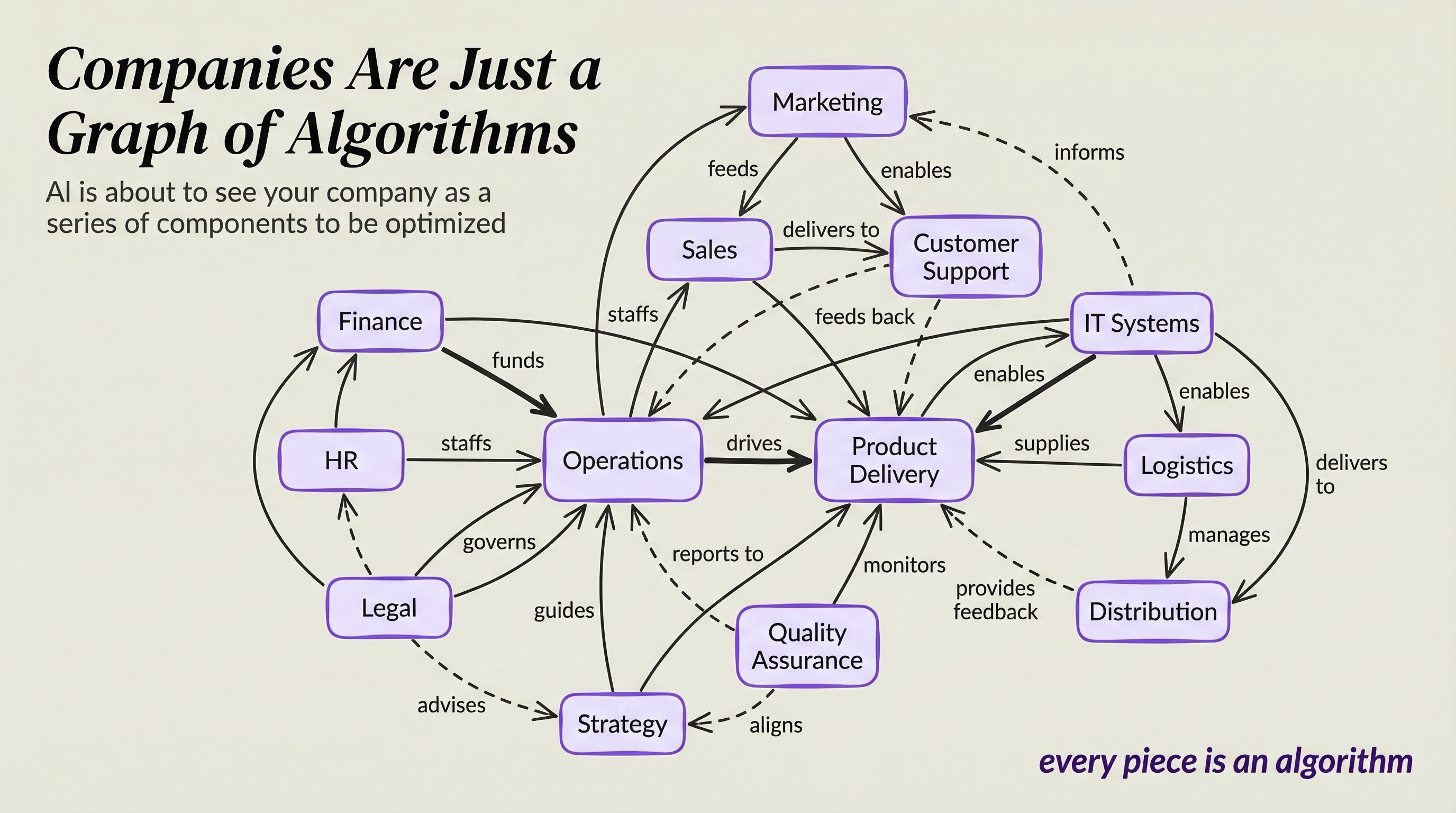
A New Lens on Business: Companies as Networks of Algorithms
Viewing companies as graphs of algorithms reveals new opportunities for automation and efficiency. This perspective challenges traditional management models.
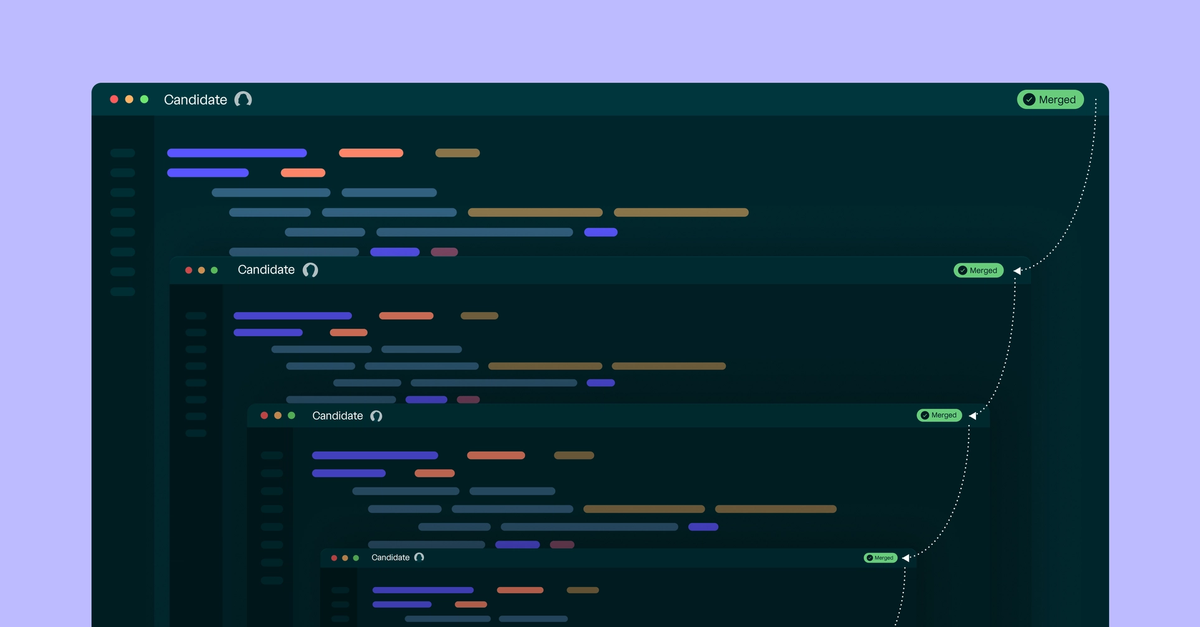
How Pull Requests Are Replacing Whiteboards in Tech Hiring
A growing number of tech companies are replacing traditional whiteboard interviews with real-world coding tasks using pull requests. This shift aims to evaluate candidates more fairly and accurately.

UK education panel demands social media ban for children under 16
UK Education Committee calls for statutory social media ban for under-16s, citing addictive design and mental health harms. It urges broader regulation and treats child safety as public health issue.

A machine that mimics nature to explore beyond AI's limits
A new type of computing machine, inspired by natural processes, aims to solve problems that traditional AI cannot. This approach could open up new frontiers in scientific discovery.

Pope's AI Encyclical Highlights Shareholder Push for Oversight
Pope Leo XIV's encyclical on AI affirms that technology is never neutral and validates investor-led efforts to hold tech companies accountable for AI oversight.

Healthcare AI's Real Challenge Isn't Better Algorithms, It's Broken Systems
Healthcare AI fails in practice due to fragmented data and legacy systems, not weak algorithms. Real progress requires infrastructure modernization, not better models.

Maka Kids Raises $3M for Streaming App That Prioritizes Child Development Over Engagement
Maka Kids raised $3 million in seed funding for its streaming app designed for children ages zero to six. The platform focuses on well-being and healthy development rather than engagement metrics.
AI-Generated Content Floods Social Media Platforms
AI-generated content floods social media platforms challenging moderation systems and raising concerns about online authenticity.
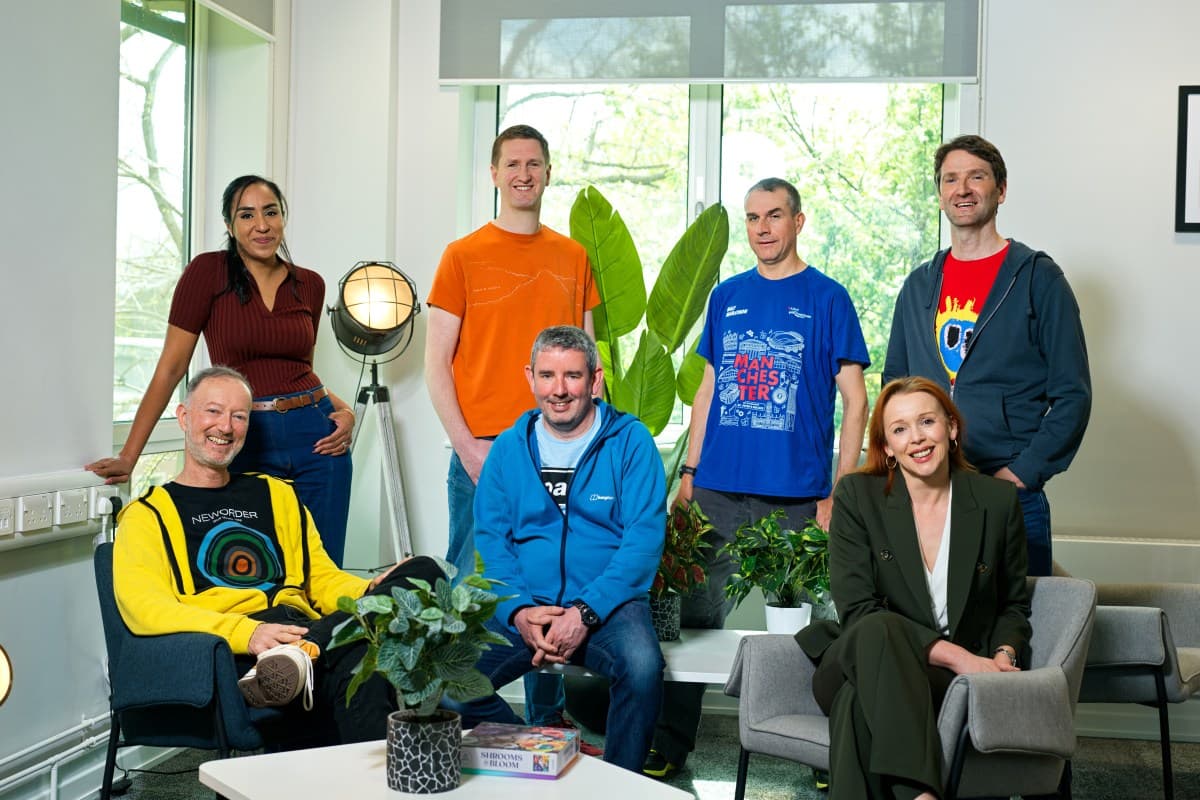
Quantum Physics, AI Join Forces to Supercharge Enzyme Engineering
Imperagen raises £5 million to blend quantum physics simulations with AI for faster, more precise enzyme design, aiming to green industrial processes.
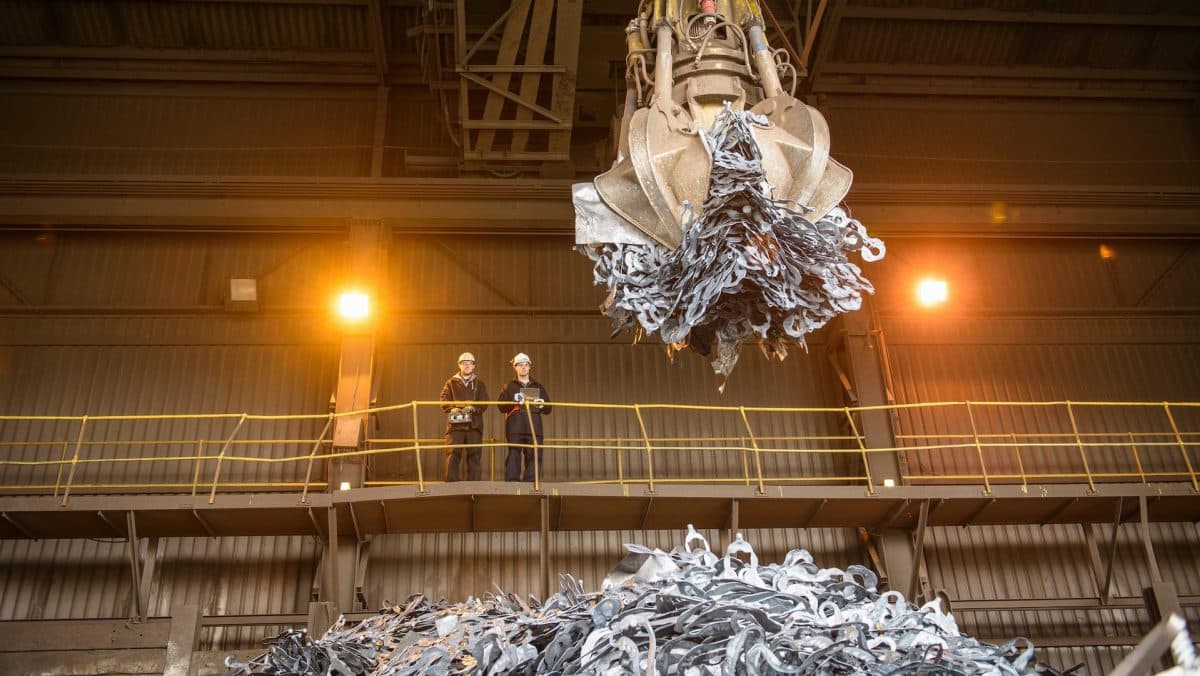
Aluminum Prices Surge 20%, Startups Use AI to Extract Metal From Scrap
With aluminum prices up 20%, recycling startups are turning to AI to improve recovery of critical minerals from scrap.

Dyson’s New Purifier Tracks Your Movement to Direct Cool Air
Dyson’s latest purifier uses AI to follow you around the room, cooling only where you are. The Find+Follow Purifier Cool aims to save energy by avoiding empty spaces.

Quantum computing threatens to break current encryption sooner than expected
Quantum computers could crack today's encryption within a decade. Enterprises are not prepared.
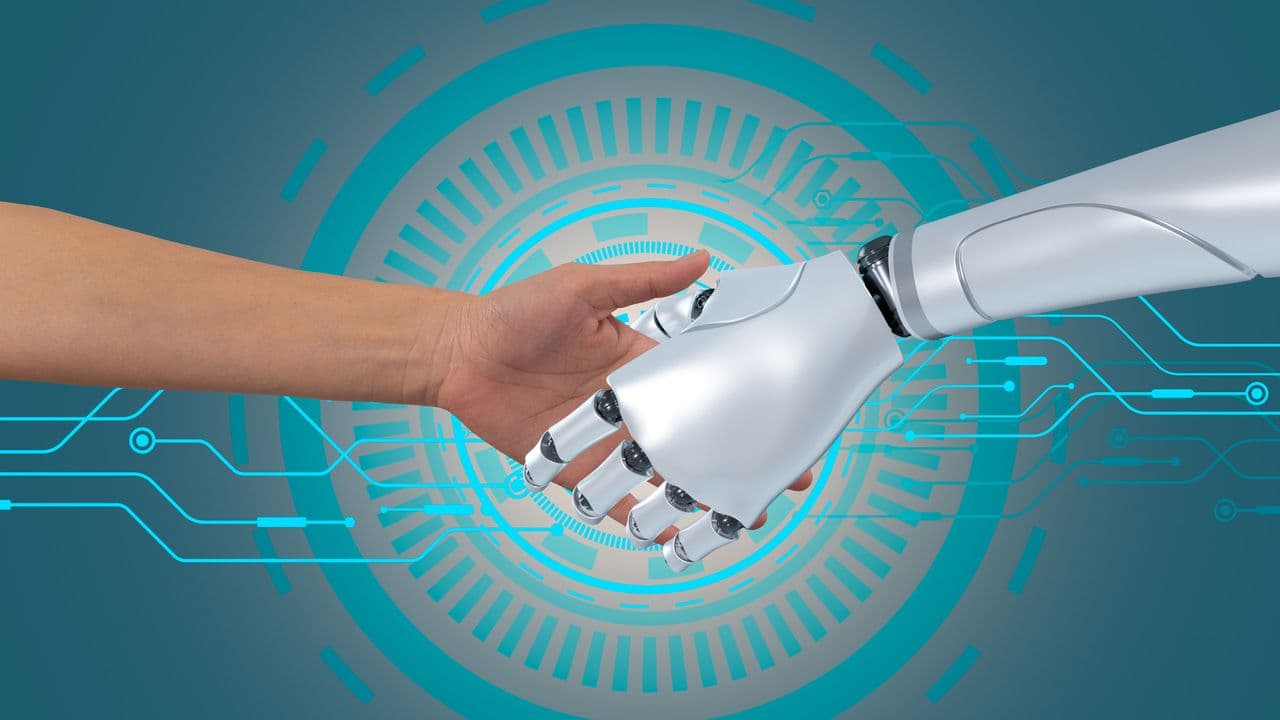
Why Autonomous AI Fails Without a Body-Like Feedback System
AI systems that rely on pure autonomy often fail. A new framework compares AI to the human body, arguing that feedback loops build trust.

Google Search's AI Overhaul Raises Alarms About Internet Quality
Google's shift to AI-powered search threatens web traffic and content quality.

Pope Francis unveils 'Magnifica Humanitas' to protect human dignity in AI development
Pope Francis launches an academic foundation called 'Magnifica Humanitas' to ensure AI development respects human dignity and moral values.

World's first rack-mounted quantum computer runs from a standard wall socket
Equal1 unveils the RacQ, the first quantum computer that fits in a standard server rack and plugs into a normal wall outlet, operating at -459 degrees Fahrenheit.
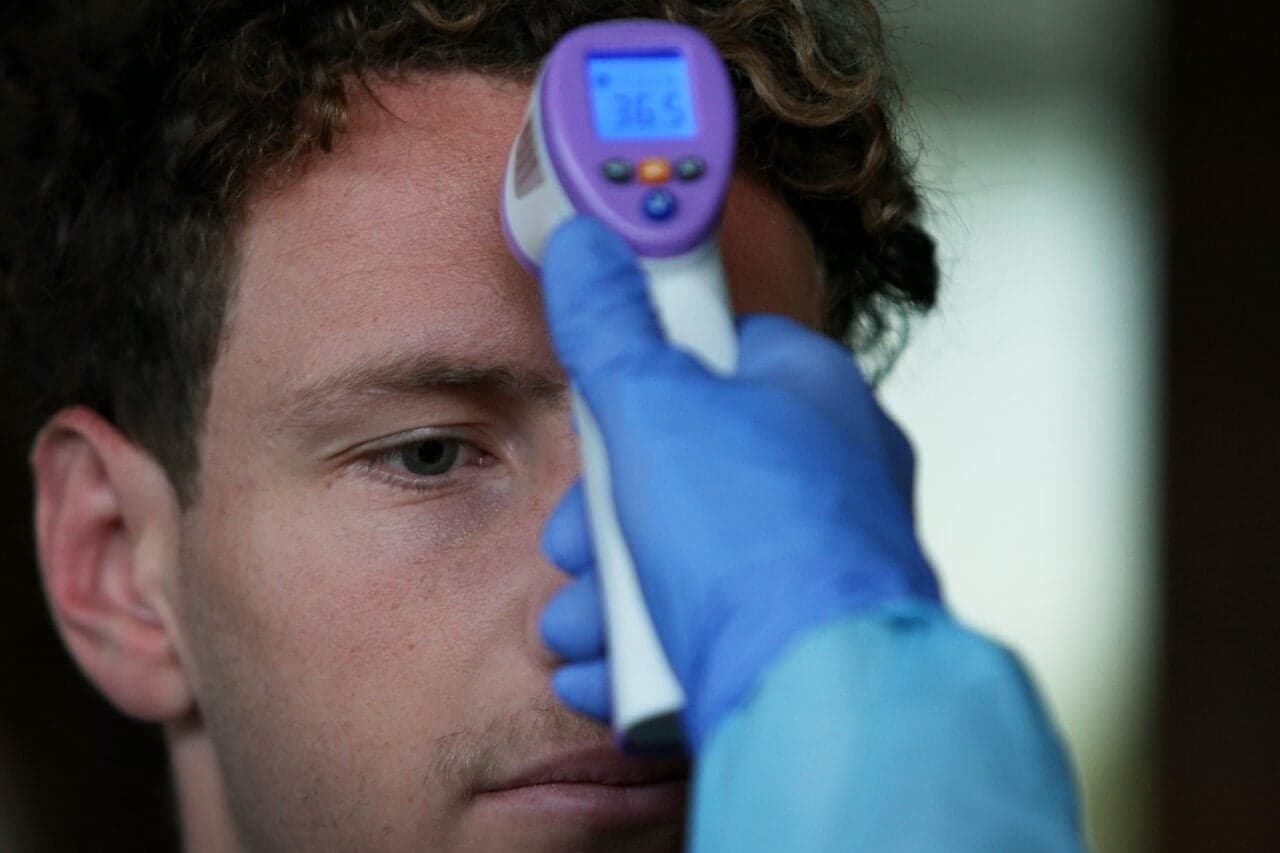
Battery Life Gains Let Health Trackers Monitor Around the Clock
Advances in battery technology are finally letting health trackers monitor continuously without daily charging. This shift could change how consumers use wearables for health.
New Programming Language CPPL Bridges Prompts and Circuits
A novel language called CPPL lets developers program circuits using AI-style prompts. It could reshape how hardware is designed for machine learning workloads.