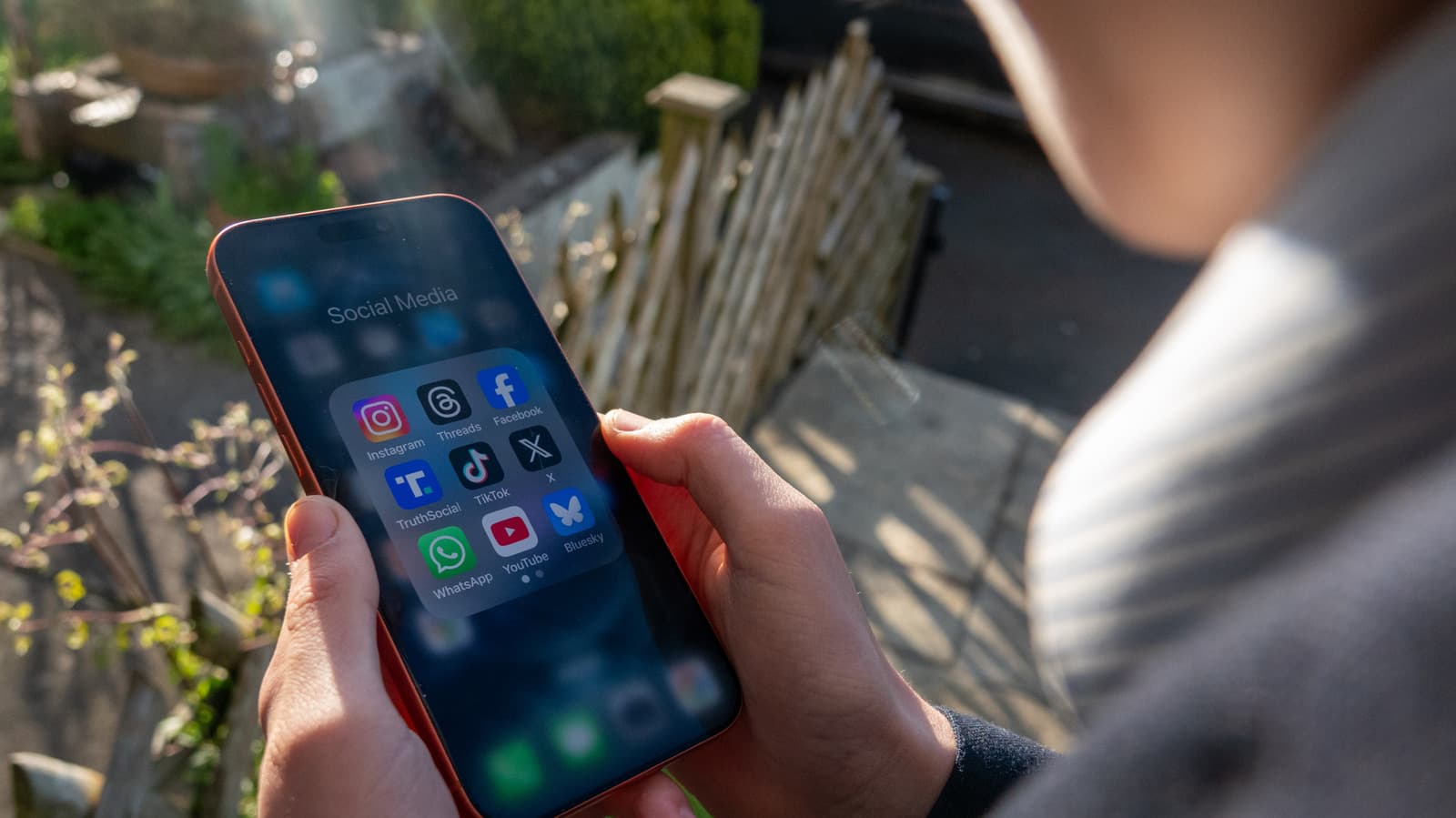
A UK parliamentary committee has demanded an outright ban on social media for children under 16, describing platforms as deliberately addictive and harmful to mental health.
The Education Committee presented its position to the government on Thursday, arguing that self-regulation by tech companies has failed and that urgent action is needed. Committee chair Helen Hayes said the harms children face online are severe and systemic.
'From bullying and misogyny to abuse and sexual exploitation, children face a deluge of serious harms whenever they log on,' Hayes said.
Addictive features under scrutiny
The committee wants the government to restrict so-called addictive design elements used by social media platforms for all users under 18. These include infinite scrolling feeds, algorithmic content promotion and auto-playing videos. Members say these features lead to increased screen time, sleep disruption and reduced attention spans.
The committee argues that the ban should only be a starting point. It calls for a broader regulatory framework that also covers gaming, hybrid platforms, messaging services and AI platforms.
'Social media companies have not taken full responsibility for the behaviour on their platforms,' Hayes said. 'Based on the evidence my committee has received, I simply do not believe that companies who profit from interactions with children can be relied upon to self-regulate.'
Global push for child protection
Several countries have announced similar measures, though only Australia and Greece have passed formal legislation. Australia’s ban took effect in December 2025 but early research shows limited effectiveness, with most under-16s reporting no change in access. The ban has also reduced news consumption among teens.
France and India are in advanced stages of imposing statutory limits. Brazil requires under-16s to link accounts to a legal guardian. Greece’s ban is expected in mid-2026.
Why This Matters
The committee’s call directly affects millions of UK families, educators and children. If enacted, the ban would reshape how young people interact online and access information. The MPs frame the issue as a public health crisis, arguing that inaction can have 'truly horrific consequences.'
'Ministers must take action before it is too late,' Hayes said. 'Anything less leaves children, parents and schools forced to compensate for the unsafe digital worlds enabled by social media firms.'