Senior Editor: Alan Agbele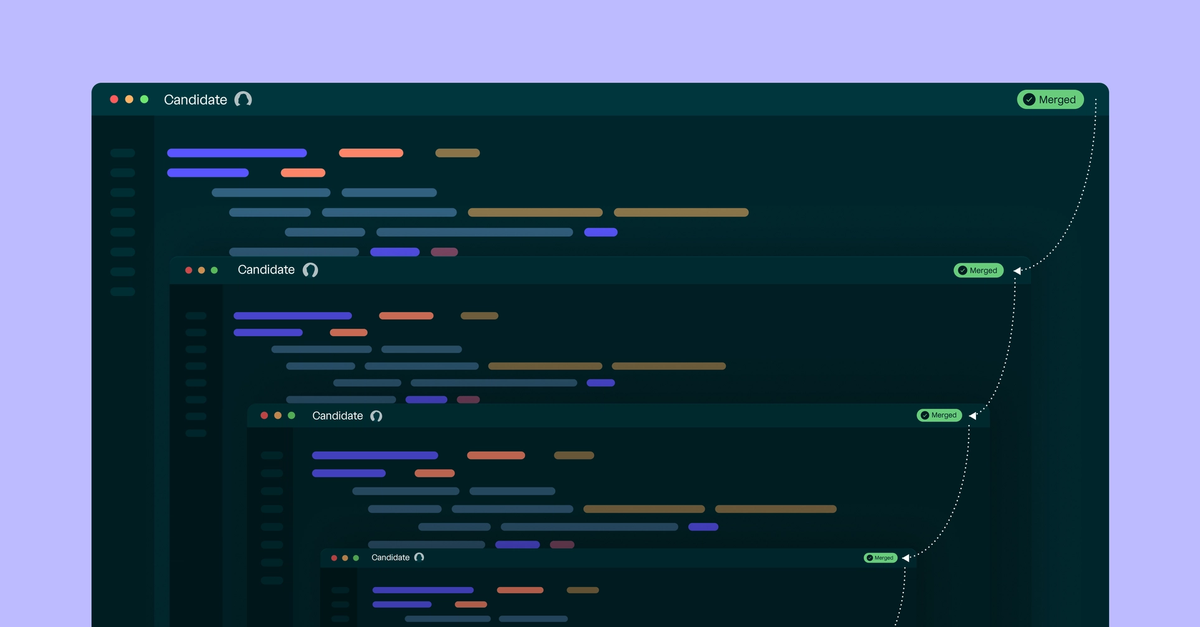
A quiet revolution is underway in how tech companies assess job candidates. The whiteboard interview, long a staple of the hiring process, is being replaced by a more practical method: the pull request.
This approach asks candidates to submit code changes to a real or simulated codebase, mirroring the actual work they would do on the job. Proponents argue it offers a far more accurate picture of a developer's skills than solving algorithmic puzzles on a whiteboard.
The Shift From Theory to Practice
Traditional technical interviews often focus on abstract problems and data structures. Critics say these tests favor candidates who have spent weeks memorizing LeetCode solutions rather than those with strong practical engineering skills.
The pull request model changes this dynamic. Candidates must read existing code, understand project conventions and write clean, maintainable contributions. They also need to communicate their reasoning through commit messages and PR descriptions.
Companies like GitHub and Basecamp have been early adopters of this method. They report that it reduces bias and gives hiring managers better signal about a candidate's true abilities.
Why This Matters
For developers, this shift could mean less time spent grinding on algorithmic puzzles and more focus on building real portfolio projects. For employers, it promises better hires who can contribute from day one.
The change also has equity implications. Candidates from non-traditional backgrounds or those without access to expensive prep courses may find the pull request format more accessible than whiteboard coding challenges.
However, the approach is not without challenges. Evaluating pull requests requires significant time investment from senior engineers. Companies must also design tasks that are fair across different experience levels and tech stacks.
A Growing Movement
The trend reflects broader dissatisfaction with standard tech hiring practices. Several startups now offer platforms specifically designed for asynchronous coding assessments based on pull requests.
Industry observers expect adoption to accelerate as more companies share positive results. The message is clear: if you want to know how someone codes, give them real code to work with.