Editor: Porcia Akua Holmes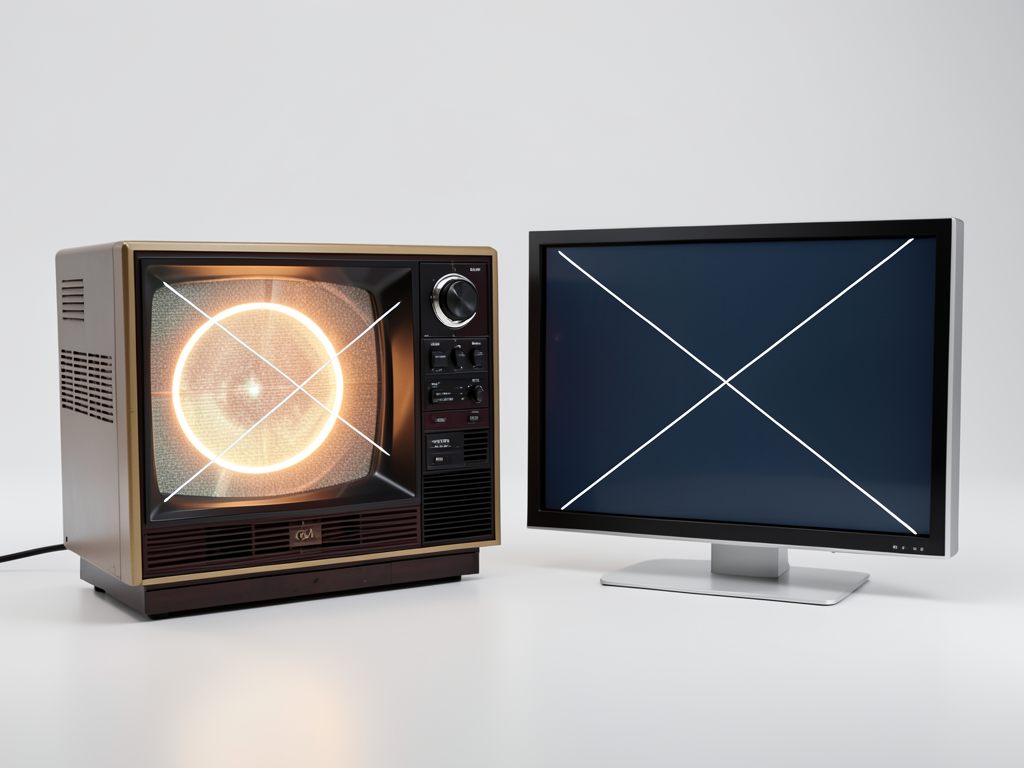
Every flat-screen TV, laptop, and smartphone sold today carries a measurement standard rooted in a technology nearly a century old. The diagonal measurement, often taken for granted, traces back to the physics of cathode-ray tubes and continues to shape how consumers compare displays. The question "Why is screen size measured diagonally?" has a clear practical answer but also reveals a persistent mismatch between the number on the box and the actual viewing area.
The CRT Legacy
Early televisions used cathode-ray tubes, essentially large vacuum tubes with a circular front. The circular image area was limited by the tube diameter, so manufacturers naturally advertised screens by that diameter. When rectangular television screens emerged in the 1950s, the industry simply kept measuring diagonally from one corner to the opposite corner. The method became deeply ingrained in manufacturing, supply chains and consumer expectations, surviving multiple display technology shifts from CRTs to LCD to OLED.
The Modern Confusion
Today the same diagonal measurement applies to monitors, laptops and smartphones, but the rectangular shape creates a significant disconnect. Two screens with the same diagonal can offer vastly different amounts of space depending on their aspect ratio. For instance, a 65-inch 16:9 television has less viewing area than a 65-inch screen with a squarer ratio like 4:3, even though the diagonal number is identical. This mismatch rarely affects television shopping because most sets use the same 16:9 format, but it matters greatly for computer monitors, which come in a wider range of shapes.
Why This Matters
The diagonal standard directly affects how people evaluate display purchases, especially as monitors and laptops adopt ultra-wide and tall aspect ratios. Buyers who rely solely on diagonal inches risk misjudging the usable workspace or the physical fit on a desk. The industry has no incentive to change the measurement even though it is no longer technically necessary. Understanding the historical origin helps consumers interpret specs more accurately and avoid misleading comparisons. As display shapes continue to diversify, the diagonal metric becomes an increasingly unreliable shorthand for size.
What to Consider When Buying
When comparing screens, look for the actual width and height measurements or the area in square inches. Many online retailers now include these details in the specifications tab. For computer monitors, pay attention to aspect ratio and pixel density rather than diagonal length alone. For televisions, the diagonal remains a reasonable guide since nearly all sets use 16:9, but the difference between a 55-inch and a 65-inch model is less dramatic in terms of area than many assume. The diagonal measurement is a relic of a bygone technology, but knowing its origins gives the everyday shopper a clearer picture.