Senior Editor: Alan Agbele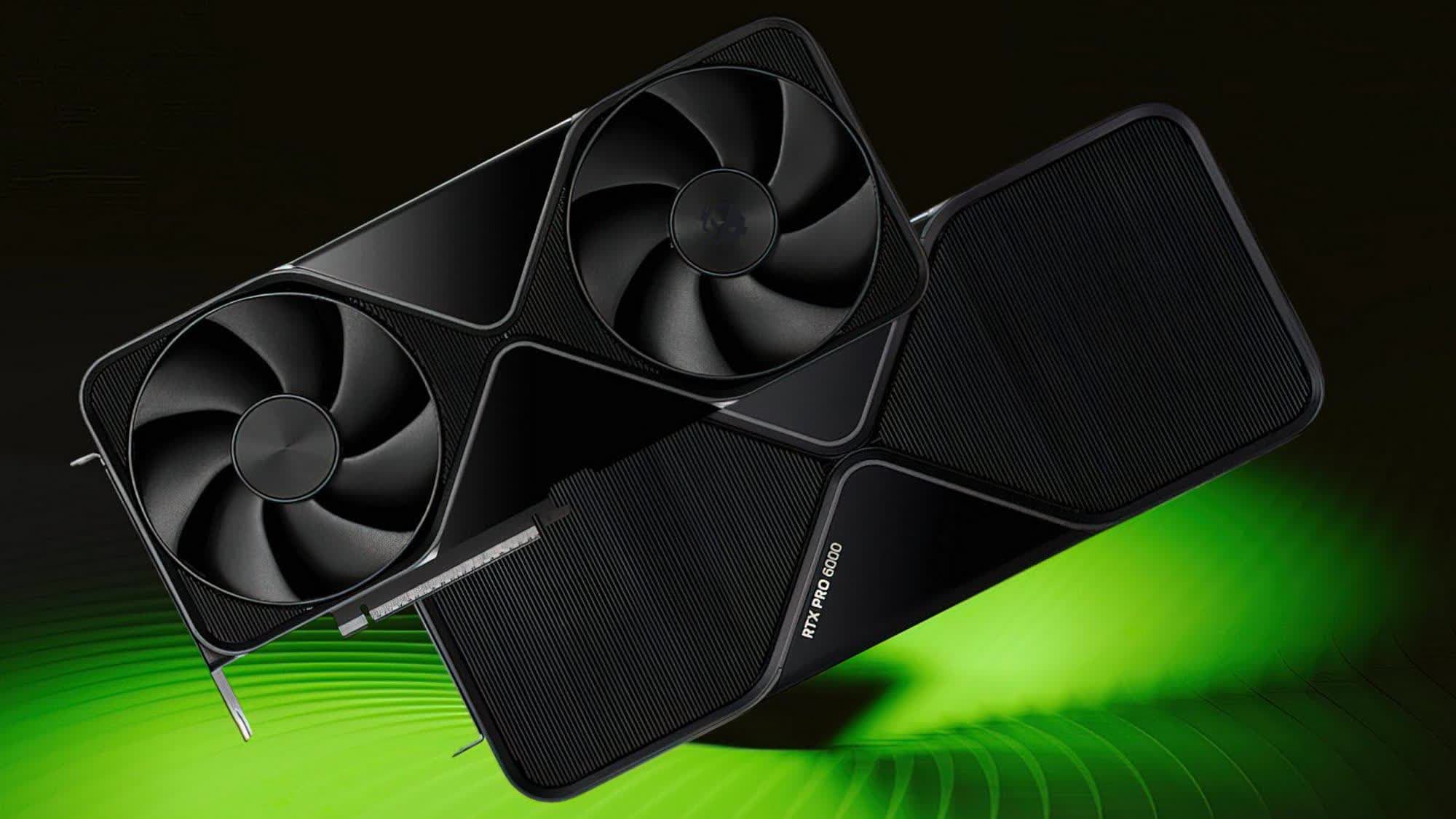
Nvidia has more than doubled the price of its flagship workstation GPU, the RTX Pro 6000 Blackwell, to $16,000, reflecting a severe shortage of high-bandwidth memory fueled by artificial intelligence demand. The new price marks a sharp escalation from the card’s original pre-order listing of just over $7,600 in early 2025, which later climbed to around $8,500 before settling at the current staggering level.
The Price Trajectory
Nvidia initially opened pre-orders for the RTX Pro 6000 Blackwell at $7,600, a price that already reflected a premium for the new Blackwell architecture. Within weeks, online listings pushed the card to about $8,500 as early demand exceeded expectations. But the latest revision to $16,000 represents a leap that even seasoned hardware observers find striking.
The jump is not isolated to this single model. Across Nvidia’s professional lineup, prices have climbed as the company allocates more of its limited HBM3 supply to hyperscale data center customers. Workstation users, however, face the brunt of the shortage because they compete for the same memory packages that power AI training clusters.
Why the Jump Matters
The memory crunch stems from the AI industry’s insatiable appetite for high-bandwidth memory, specifically HBM3. Nvidia uses these specialized DRAM stacks in its data center GPUs, such as the H100 and B200, and the RTX Pro 6000 Blackwell relies on the same memory type. Suppliers like SK Hynix and Samsung have struggled to ramp production quickly enough, creating a bottleneck that drives up costs for every GPU using HBM.
The situation has forced Nvidia to make difficult allocation decisions. The company prioritizes its most profitable products, which are the data center chips sold in massive volumes to cloud providers. Workstation cards, while still profitable, receive a smaller share of the memory supply, and the scarcity has given Nvidia the leverage to raise prices.
Why This Matters
The $16,000 price tag reshapes the economics of professional computing. Small design firms, academic labs and independent developers who rely on a single high-end GPU now face a cost barrier that may push them toward cloud instances or older architectures. Meanwhile, large enterprises with dedicated AI budgets can absorb the increase, widening the gap between well-funded organizations and smaller players.
The price hike also signals that the HBM shortage will persist for the foreseeable future. Nvidia has already committed to expanding its Blackwell architecture across data centers, and memory suppliers are building new fabs, but those facilities will not come online until late 2026 or 2027. Until then, workstation users should expect continued volatility in GPU pricing.
For professionals who must upgrade, the RTX Pro 6000 Blackwell remains the most powerful option on the market. But at $16,000, it is no longer a routine purchase. It is a strategic investment whose value depends on the user’s ability to monetize the GPU’s performance before the next generation arrives.