Editor: Porcia Akua Holmes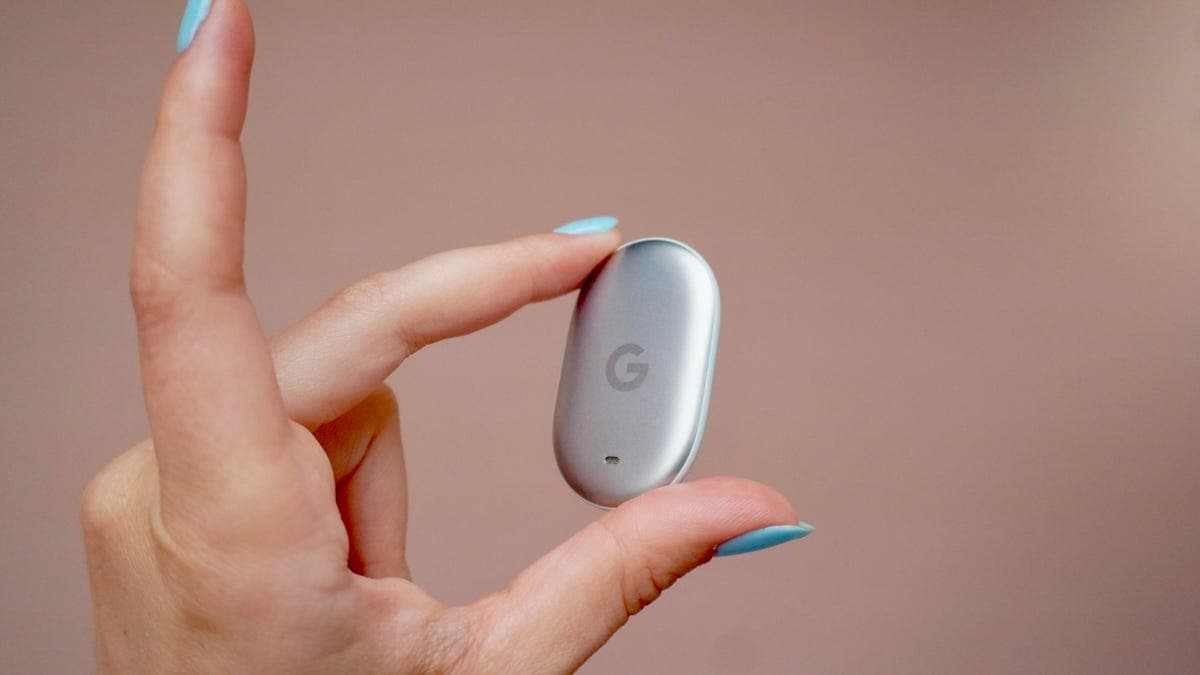
Google has entered the Bluetooth tracker market with the Pixel Tag, a $29 device designed to take on Apple's long-dominant AirTag. While the price alone signals aggressive competition, the Pixel Tag arrives with a technological advantage that could reshape how consumers choose a digital finder.
Behind the Pixel Tag Tech
The Pixel Tag relies on an emerging Bluetooth standard that improves range and accuracy compared to older trackers. Early reports suggest Google has integrated support for precision finding using ultra-wideband chips in compatible Android phones, though the tag itself remains functional without them. This approach mirrors Apple's U1 chip in the AirTag but extends network participation to billions of Android devices worldwide.
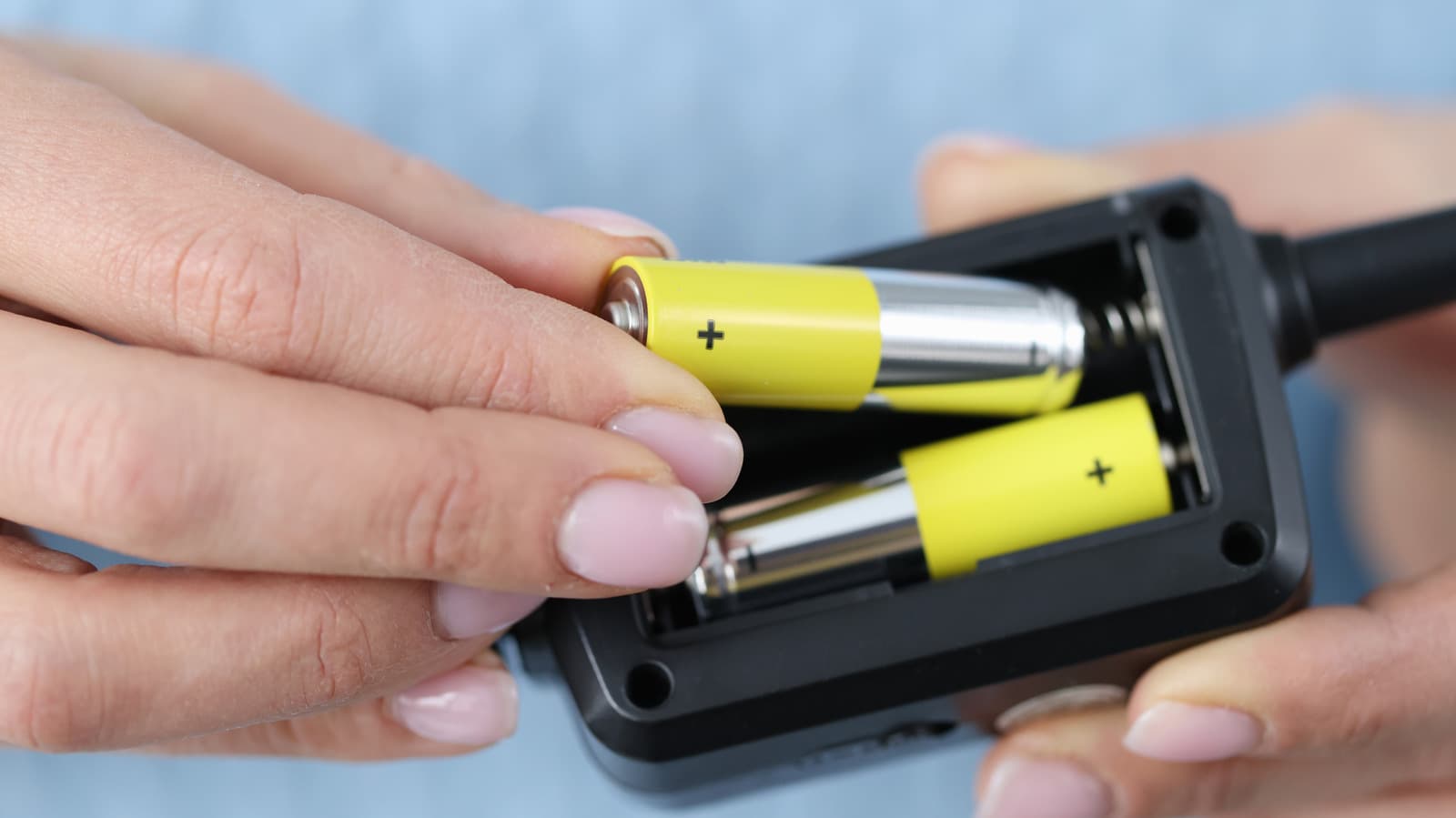
A notable design difference involves the replaceable battery. Like the AirTag, the Pixel Tag uses a standard CR2032 coin cell. Google, however, claims the tag will last over a year before needing a swap.
How It Stacks Up Against the AirTag
Why This Matters
The arrival of the Pixel Tag threatens Apple's near-monopoly in the premium tracker segment. For years, AirTag dominated because no Android-native competitor offered comparable precision and network size. Google now matches both, potentially locking millions of Android users into its accessory ecosystem rather than pushing them toward iPhones for better tracking.
Privacy advocates stand to benefit. Google has committed to default anti-stalking protections that alert all nearby smartphones when an unfamiliar Pixel Tag travels with them, regardless of operating system. This sets a higher baseline than what Apple initially provided, raising pressure on the industry to prioritize safety out of the box.
The larger implication concerns the future of location networks. With Google enrolling its enormous install base, the combined coverage between Find My Device and Apple's Find My creates overlapping mesh networks that cover nearly every populated area. Consumers eventually might expect seamless cross-ecosystem compatibility, but trackers currently remain fragmented by brand loyalty.
What Comes Next
The Pixel Tag launches alongside a refreshed Pixel lineup this fall. Sales of competing trackers from Tile and Samsung may face additional compression as Google integrates its tag deeper into Android settings and Assistant commands. Early adopters should verify their phone supports UWB precision tracking for the fullest experience, though basic Bluetooth finding works on any recent Android handset running Google Play Services.