Senior Editor: Alan Agbele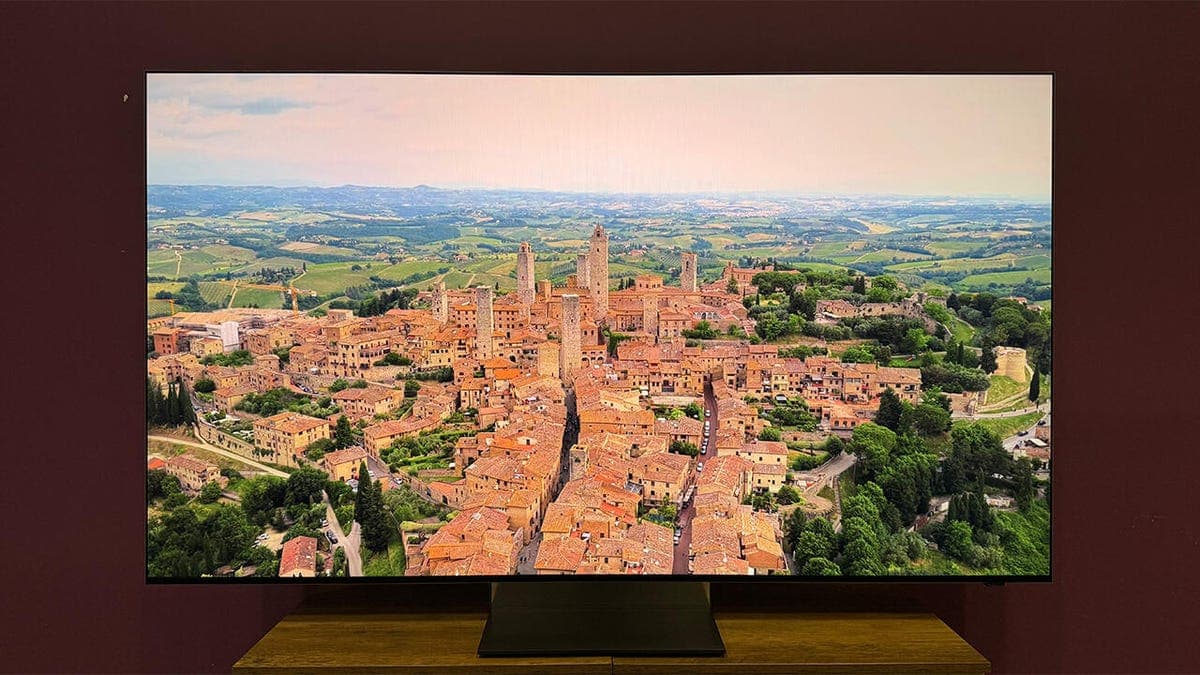
Samsung has introduced a new television technology that directly challenges the long-standing dominance of OLED displays. The company's R95H model uses a Micro RGB panel, a design that delivers brightness and color accuracy that matches or exceeds many premium OLED sets. Early reviews suggest this could be a significant shift in the TV market, particularly for buyers who have hesitated to adopt OLED due to cost or longevity concerns.
A New Panel Technology Emerges
Micro RGB is not an entirely new concept, but Samsung is among the first to bring it to consumer televisions at scale. Unlike traditional LCD panels that rely on a single white backlight, Micro RGB uses tiny red, green and blue LEDs as individual pixels. This allows each subpixel to emit its own light, similar to OLED, but without the organic materials that degrade over time. The result is a display that can produce deep blacks and vibrant colors without the risk of image retention.
The R95H is the flagship model featuring this technology. Its 65-inch and 75-inch variants are now available through major retailers. Samsung has priced the set aggressively, aiming to attract customers who have been loyal to OLED brands such as LG and Sony.
How It Compares to OLED
Early hands-on comparisons highlight several advantages for Micro RGB over standard OLED panels. The differences are most noticeable in bright rooms and with content that includes static elements such as news tickers or video game HUDs. Below are the key areas where the two technologies diverge.
OLED still holds advantages in perfect black levels and infinite contrast ratio, thanks to its per-pixel light control. However, Micro RGB comes close enough that many viewers may struggle to tell the difference in real-world content.
Why This Matters
The arrival of a competitive Micro RGB TV from Samsung reshapes the premium television landscape. OLED manufacturers now face a credible alternative that addresses their technology's most common criticisms: burn-in and limited brightness. For consumers, this means more choices at better price points. The R95H could force OLED prices down further while pushing innovation in both camps. If Samsung continues to refine Micro RGB and scale production, the technology may become the new standard for high-end home theaters. The immediate effect is that buyers no longer have to accept the compromises of OLED to get top-tier picture quality.