Senior Editor: Alan Agbele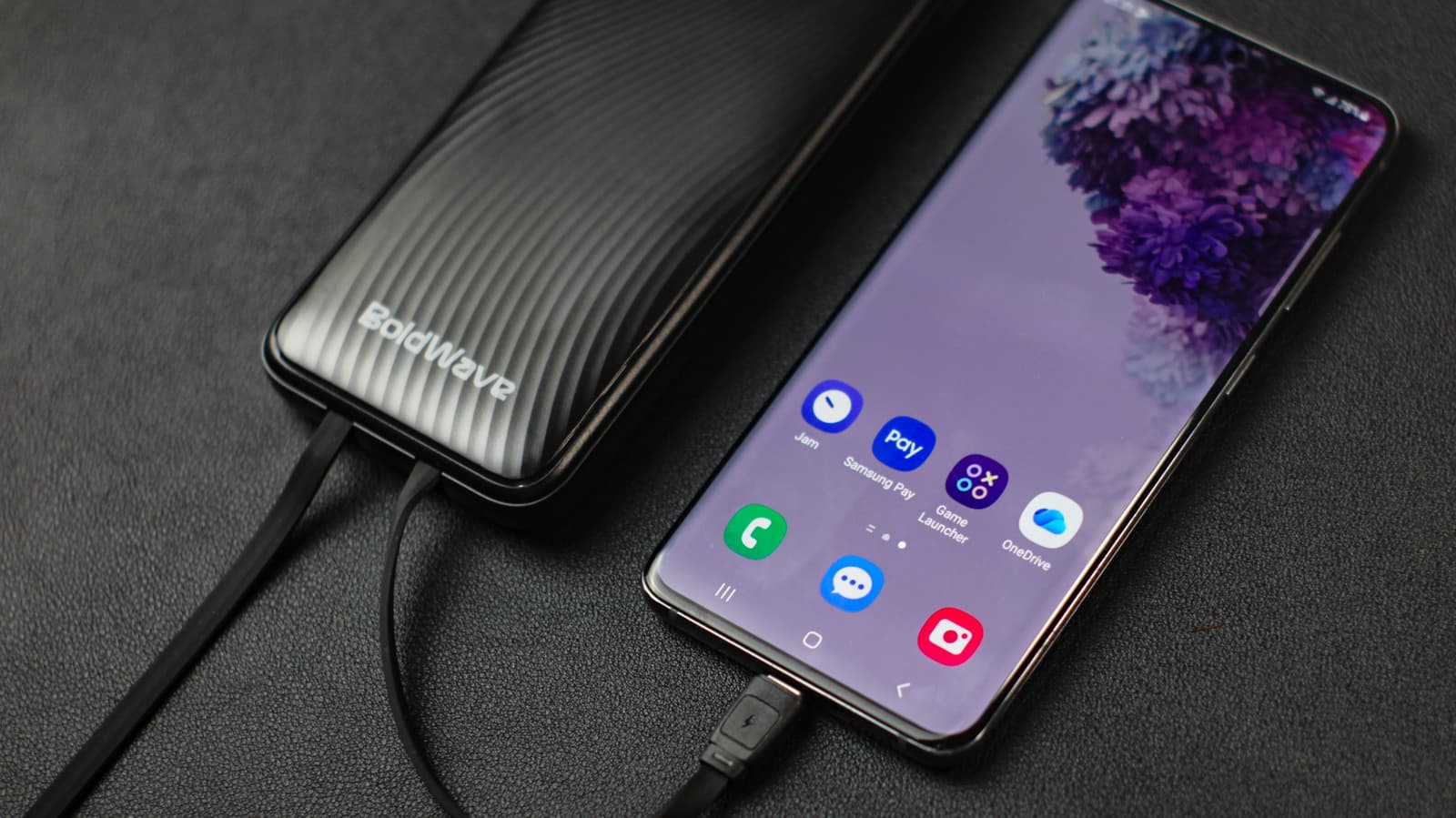
Fires caused by lithium-ion battery packs have led airlines to tighten restrictions on portable chargers and prompted recalls from major electronics brands. In this environment, understanding the safety features that your power bank should have is no longer optional for consumers who rely on these devices daily.
The Growing Risk With Lithium-Ion Batteries
Lithium-ion power banks store significant energy in a small space. Manufacturing defects or low-quality components can lead to thermal runaway, a chain reaction that causes the battery to overheat and ignite. The Federal Aviation Administration now bans damaged or recalled power banks from checked luggage. These incidents are not rare.
Industry data shows a steady rise in recalls for portable chargers over the past five years. Many of those recalled products lacked basic protection circuits. Consumers often choose based on price or capacity alone, overlooking the safety features that could prevent a hazard.
Certifications and Protection Circuits
Reputable power banks carry certifications from independent testing organizations. These marks indicate the device has passed safety tests for electrical and thermal stress. The most common certifications include UL, CE and FCC in the United States.
These circuits add cost, which is why cheaper power banks often omit them. A difference of a few dollars may reflect missing protection rather than a better deal.
Why This Matters
This issue affects every consumer who regularly uses a portable charger. As reliance on power banks grows with larger phones and longer travel, the potential for harm increases. A single faulty device can damage property or cause injury, especially in enclosed spaces like airplanes or cars. Regulators have already tightened standards, but enforcement varies. Choosing a certified power bank is the most direct way to reduce personal risk. Over time, stricter global safety requirements may eliminate many uncertified products from the market, benefiting all users.
What to Look For When Buying
Before purchasing a power bank, check the product listing for certification marks. Avoid units that do not list safety features at all. Established brands such as Anker, Belkin and RAVPower typically include multiple protection circuits. Reading customer reviews can also reveal concerns about overheating or swelling.
Shoppers should also verify the power bank's listed capacity against its physical size. An unusually small battery that claims huge capacity may indicate counterfeit cells. When in doubt, buy from authorized retailers to reduce the risk of fake products.