Senior Editor: Alan Agbele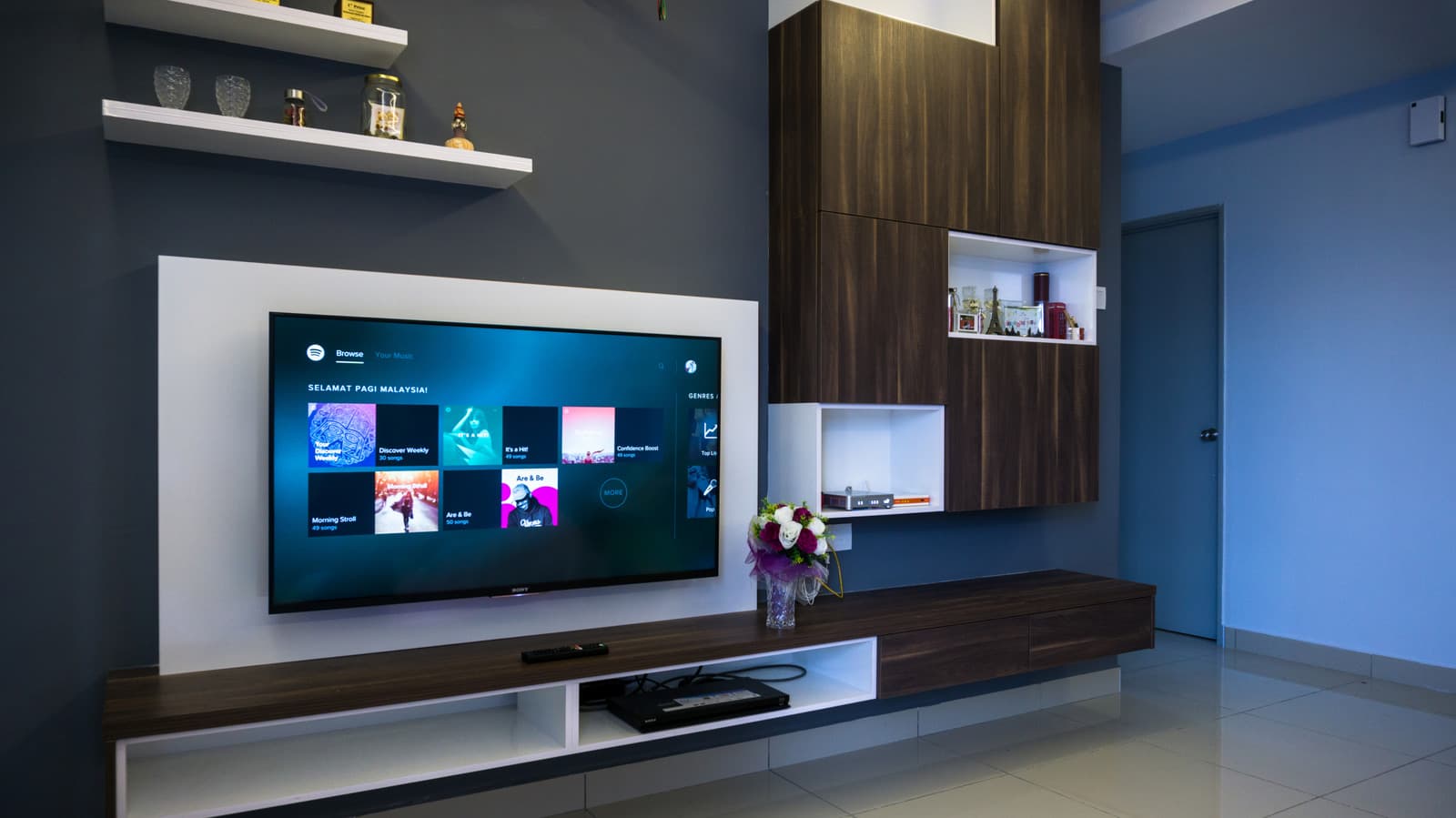
Sony televisions carry a reputation for reliability, but owner experiences tell a more detailed story about TV longevity. The question "How Long Do Owners Say Sony TVs Last" continues to surface in consumer discussions, reflecting the investment buyers make in these premium displays.
Owner Reports on Lifespan
Surveys and forum discussions indicate that Sony TVs frequently operate reliably for nearly a decade. Owners of older LCD models often cite replacing sets only after ten years, while more recent OLED owners sometimes report shorter spans due to burn-in concerns. The brand's build quality generally earns praise, but individual results vary.
Factors That Affect Longevity
Environmental conditions such as temperature, humidity and power stability play a role. Usage hours matter: a set running eight hours daily will age faster than one used sparingly. Sony's own component selection and thermal management are factors that owners frequently cite as advantages over budget brands.
Software support also affects the overall experience. Sony TVs generally receive firmware updates for several years, though performance of older smart TV interfaces can slow over time. This can lead owners to replace sets earlier than hardware failure would dictate.
Why This Matters
For buyers, understanding the real-world lifespan of Sony TVs helps justify the higher upfront cost. A set that lasts nine years reduces the annual cost of ownership compared to cheaper models that fail after four. This knowledge directly affects purchasing decisions in a market where premium televisions routinely exceed $1,000. Consumers should weigh panel type and usage patterns against expected longevity to determine whether a Sony TV aligns with their needs.