Senior Editor: Alan Agbele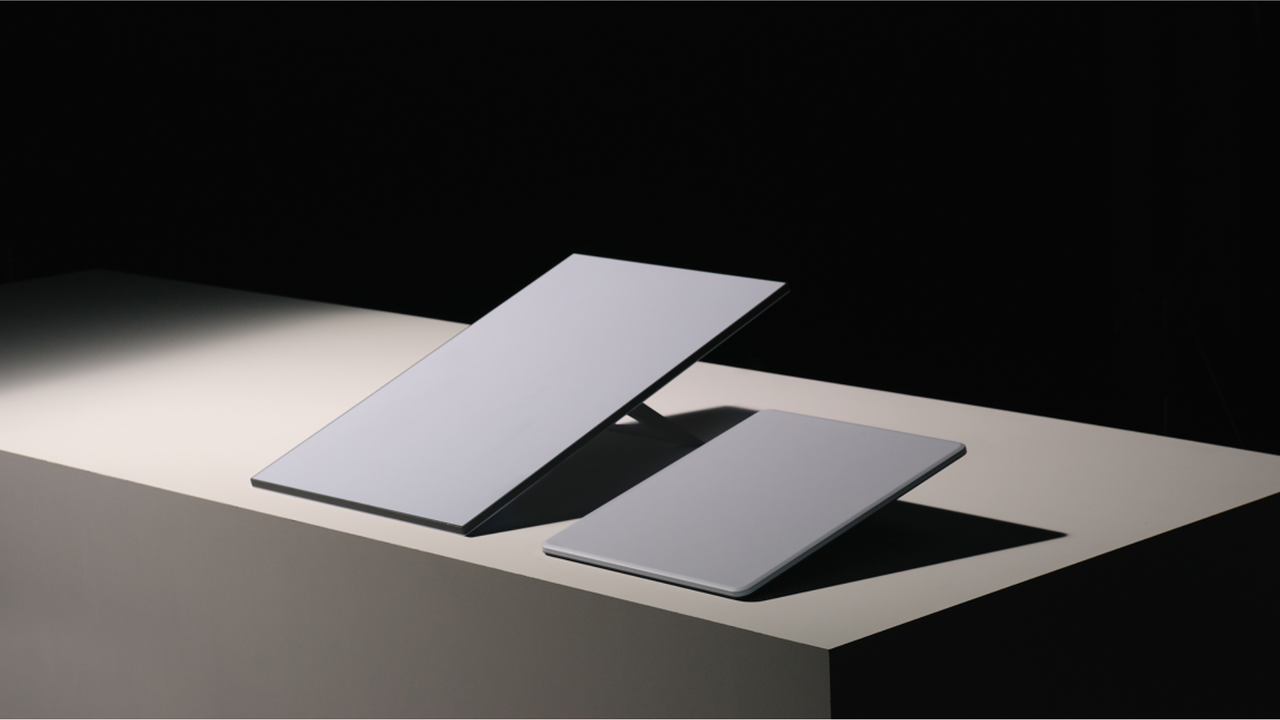
Elon Musk's Starlink has introduced a lighter and more power-efficient residential satellite terminal, the Starlink V5, that cuts average power consumption by nearly half compared to the previous Standard 4 model. The new dish delivers download speeds of up to 375+ Mbps while tipping the scales at just 2.4 pounds, making it significantly easier to handle and install.
Hardware Specs and Performance Gains
The Starlink V5 uses an Electronic Phased Array antenna with a 110-degree field of view, identical to previous models. But the real change lies in the physical footprint and energy efficiency. The Standard 4 dish weighed 6.4 pounds and consumed 75 to 100 watts. The V5 cuts that to 35 to 50 watts while maintaining an IP67 Type 4 environmental rating and the same -22°F to 122°F operational temperature range.
All three terminals share the same Snow Melt Capability (up to 1.6 inches per hour for V5 and Standard 4, 1 inch for Mini) and the same Electronic Phased Array technology. The V5's LED power indicator is located on the Starlink Top Face, while the Standard 4 uses the Router Face Plate, and the Mini places its LED on the Starlink Rear Face Plate.
Why This Matters
The V5 represents a strategic step toward making satellite internet more resilient and accessible in extreme conditions. The doubled wind speed rating — up to 165 mph from 60 mph — allows the dish to remain operational during hurricanes and severe storms, a growing concern as climate change intensifies weather events. The roughly 50% reduction in power consumption also makes the terminal a viable option for battery-backed or solar-powered setups, especially in disaster-prone regions. Already, Tokyo is testing Starlink antennas mounted on fire hydrant signs for emergency Wi-Fi. Lower power draw and lighter weight mean such deployments become cheaper and more practical at scale. For residential users in rural or remote areas, the V5 lowers the barrier to DIY installation while maintaining the high throughput needed for streaming, video calls and gaming.
Market Positioning and Availability
SpaceX is offering the Starlink V5 in select areas first, likely to fine-tune production and distribution before a broader rollout. The terminal requires the included router, unlike the Starlink Mini which can operate as a standalone Wi-Fi hotspot. Speeds are 25 Mbps lower than the Standard 4's 400+ Mbps ceiling, but the trade-off in weight and power makes the V5 a more practical choice for most households. Elon Musk's Starlink has faced controversy, including lawsuits over noise and air pollution near data centers but the service has proven critical for first responders and for Ukraine's connectivity during the Russia invasion. The reliability of the network has even prompted China to simulate a Starlink blockade over Taiwan. The V5 continues that trajectory of expanding reach and hardening hardware for real-world emergencies.