Editor: Porcia Akua Holmes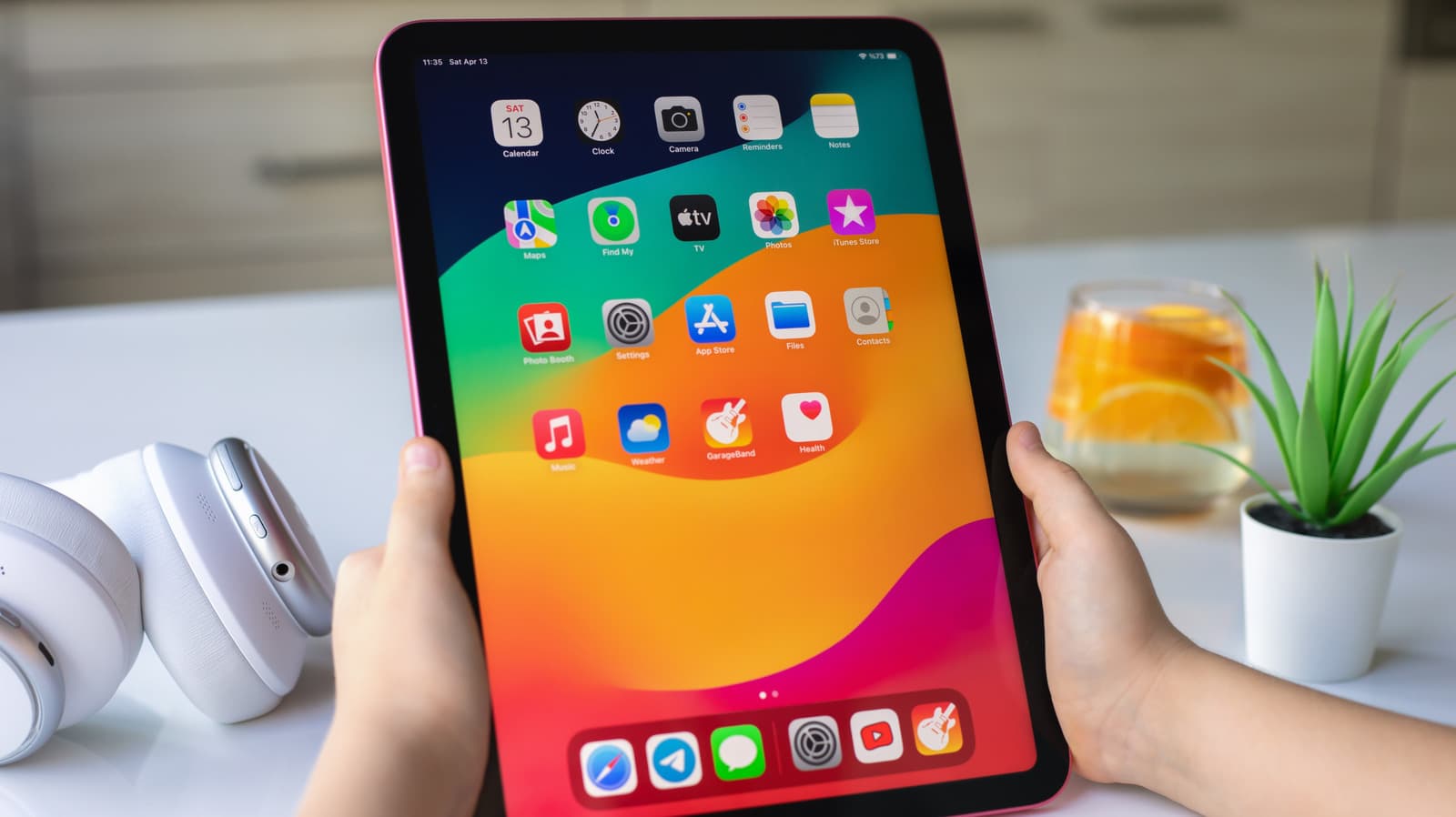
A shift is underway in the tablet market as consumers begin to weigh screen quality more heavily than processor speed or storage capacity. A growing number of buyers now consider display specifications a primary purchase driver, pushing manufacturers to compete on visual fidelity rather than raw number crunching.
The Shift in Tablet Priorities
For years, tablet marketing centered on internal components. Processor models and RAM amounts dominated spec comparisons. That emphasis is now giving way to a more nuanced conversation about screens. The change stems from the simple reality that modern tablets already handle most productivity and entertainment tasks smoothly. The next leap in user experience comes not from faster chips but from richer, more immersive displays.
Industry observers note that premium tablets from leading brands are increasingly defined by their display characteristics. High-end models now commonly feature OLED panels, 120Hz or higher refresh rates, and improved brightness levels measured in nits. These specifications directly affect usability for reading, drawing and video consumption.
Why This Matters
The focus on display specs signals a lasting change in how manufacturers compete. As internal performance reaches diminishing returns, screen quality becomes the new battleground. This matters for buyers because it means the decision between a budget tablet and a premium one hinges more than ever on display technology. Consumers who plan to keep a tablet for several years should prioritize the screen, as it directly affects daily enjoyment and longevity of use. For the industry, this trend encourages innovation in display manufacturing, potentially lowering costs for advanced panels over time.
Market Implications
This shift has already influenced product roadmaps. Several major tablet makers have introduced mid-range devices with impressive displays, bringing previously premium features to lower price points. The emphasis on screen quality also pressures accessory makers to develop better styluses and screen protectors that complement high-refresh-rate panels. Component suppliers focused on display technology stand to benefit as demand for OLED and high-frequency LCD panels continues to grow.