Senior Editor: Alan Agbele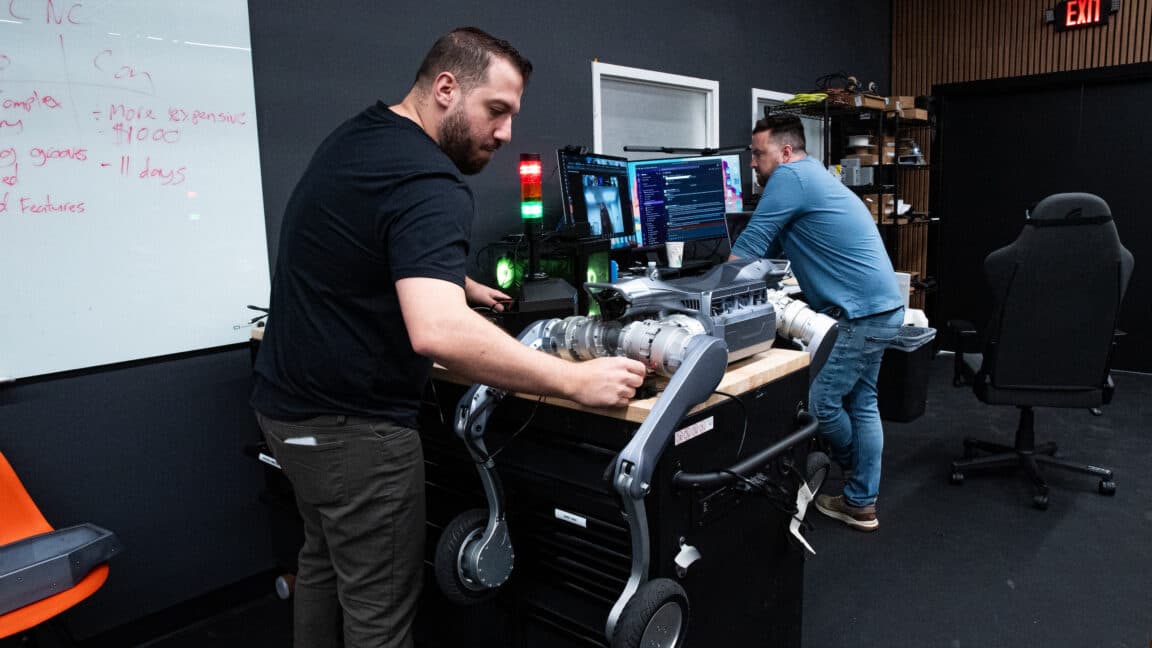
RoboStore, the leading US distributor of China's most popular humanoid robots, is abandoning its import business and opening a manufacturing facility on Long Island, New York. The pivot comes directly in response to a growing US government crackdown on foreign-made robots, including those from Chinese manufacturer Unitree Robotics.
From Distributor to Manufacturer
RoboStore founder and CEO Teddy Haggerty confirmed the company sold robots to Cisco, OpenAI, Nvidia, and over 150 universities including Harvard and MIT. These institutions used the affordable, capable humanoid and quadruped robots from China for cutting-edge research. With the ban in place, continued imports became legally untenable.
Rather than lose its market position, RoboStore will manufacture its own robots at a new facility on Long Island. The company is leveraging its deep knowledge of customer needs and existing relationships to design robots that meet the same research-grade requirements.
Impact on Research and Development Customers
The shift creates immediate challenges for organizations that relied on RoboStore as a trusted supply chain partner. The following groups face the most disruption:
Broader Implications for Robotics Supply Chains
The US ban on foreign-made robots signals a deepening of technology decoupling between the United States and China. Beyond humanoid robots, similar restrictions could extend to drones, industrial automation, and other embodied AI systems. Domestic manufacturing capacity for cutting-edge robotics is currently limited, and scaling up will require significant investment in both facilities and engineering talent.
RoboStore's pivot may become a template for other distributors caught between government restrictions and market demand. If successful, it could accelerate a trend toward American-made robotics hardware, reshaping the competitive landscape for advanced research tools.
Why This Matters
The transition will directly affect the pace of robotics and AI research in the United States. Universities and corporate labs that depended on affordable Chinese robots face supply uncertainty at a critical moment in humanoid robot development. RoboStore's ability to replicate the performance and affordability of Unitree designs domestically will determine whether research slows or continues uninterrupted. Broader economic consequences include potential cost increases for researchers and a shift in global robotics supply chains away from China toward diversified domestic production.
For companies like Nvidia that rely on physical robot platforms for AI training and validation, any disruption in hardware availability could delay breakthroughs in generative robotics and autonomous systems. The long-term outcome hinges on how quickly RoboStore can scale its new manufacturing operations and whether other US distributors follow its lead.