Editor: Porcia Akua Holmes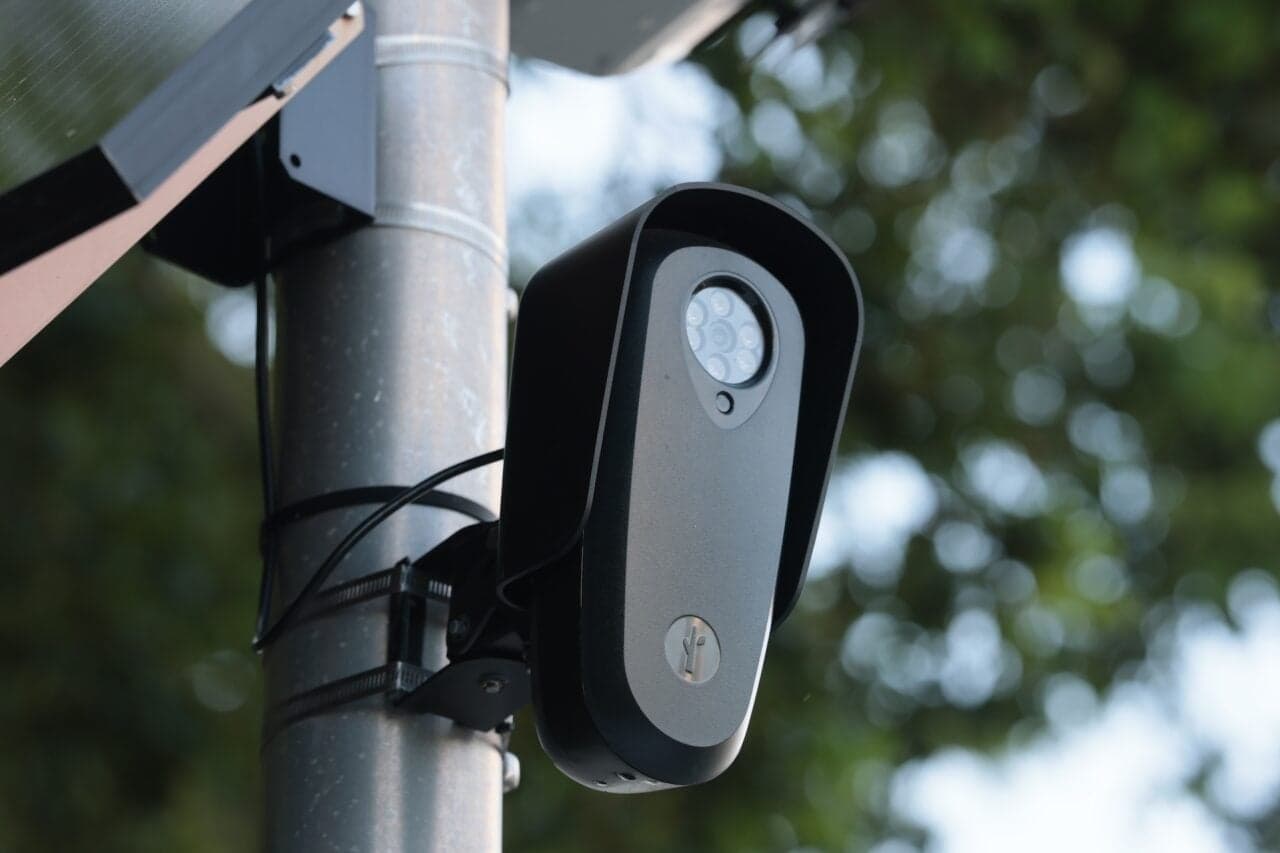
A U.S. district judge has ruled that warrantless retroactive searches of a Flock automated license plate reader (ALPR) database constitute indiscriminate mass surveillance, ordering evidence obtained from such a search thrown out. The decision marks a significant legal challenge to the widespread use of ALPR technology by law enforcement.
The Ruling and Its Basis
In the case, a judge found that searching Flock's historical plate data for a suspect vehicle without probable cause violated the Fourth Amendment. The court described the practice as indiscriminate mass surveillance because it swept up data on all drivers, not just a specific target, before any investigation began.
The judge, in throwing out the evidence, emphasized that the retrospective search of a vast database created a digital record of innocent individuals' travel patterns. The ruling directly challenges the core argument that ALPR systems merely collect information already visible in public.
Implications for Police Use of Flock
Flock cameras are deployed in thousands of communities across the U.S., often funded by local police departments or homeowner associations. The technology is marketed as a tool for solving property crimes and locating wanted vehicles.
Broader Privacy and Legal Context
Civil liberties groups have long argued that ALPR databases violate reasonable expectations of privacy by enabling mass tracking. The Supreme Court has previously held in Carpenter v. United States that prolonged warrantless cellphone location tracking violates the Fourth Amendment. This ruling extends similar reasoning to vehicle plate data.
The decision could influence other courts facing challenges to Flock and similar systems. If the reasoning is adopted broadly, police may need to obtain warrants before conducting any historical search of ALPR databases, altering investigative routines built around the technology's convenience.
Why This Matters
This ruling directly affects how police can use ALPR evidence in court. For defendants, it creates a powerful suppression tool if officers searched Flock data without a warrant. For law enforcement agencies, it signals that the collection of mass location data carries constitutional limits they may have ignored.
The decision also pressures lawmakers to regulate ALPR retention and search policies. Several states have already passed laws limiting data sharing and retention periods. This judicial ruling adds momentum to the argument that indiscriminate surveillance, even of license plates, demands court oversight and clear statutory boundaries.
Flock, as a dominant provider of ALPR systems, faces the most direct business impact. If warrant requirements become standard, the ease of retroactive searching diminishes, potentially reducing the technology's appeal to police departments that rely on dragnet-style queries.