Senior Editor: Alan Agbele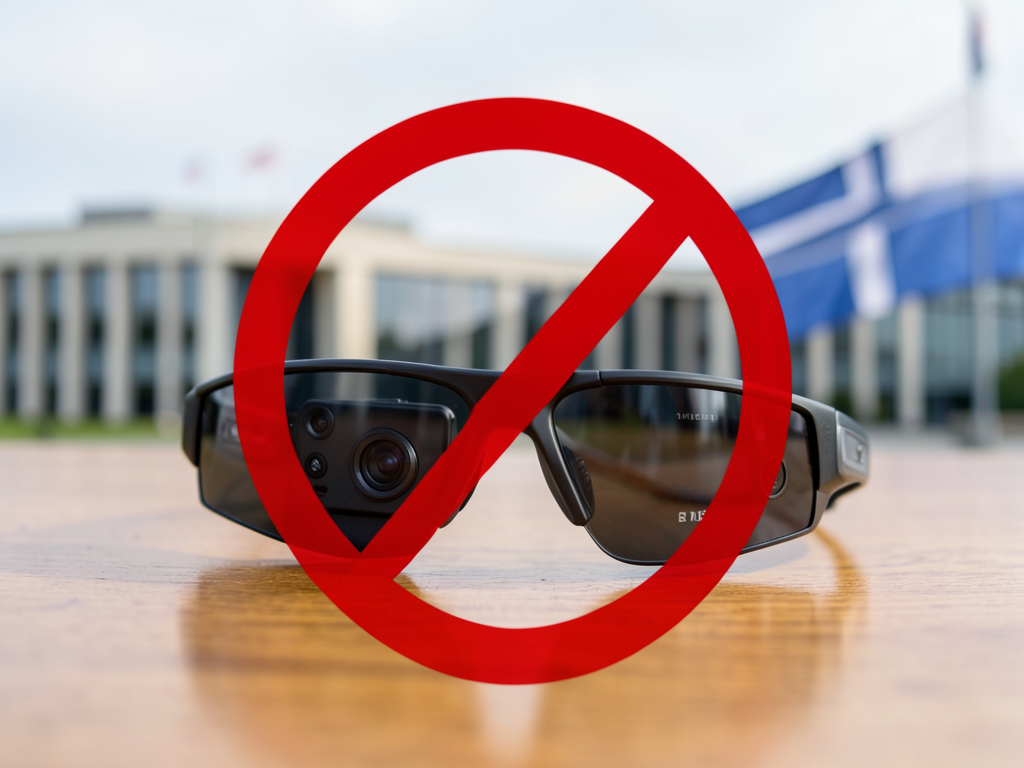
Norway is planning what could become the strictest ban on smart glasses in Europe, signaling a major escalation in privacy-focused regulation of wearable technology. The proposal targets devices with hidden cameras or recording capabilities that can capture images and audio without users' consent.
What the Proposed Ban Covers
The draft legislation targets any wearable device that can surreptitiously record video or audio. This includes smart glasses from major manufacturers such as Meta, Ray-Ban and Snap that integrate cameras into frames. The ban would apply to sales, imports and public use, with exceptions only for medical or accessibility devices approved by regulators.
Norwegian officials argue that existing privacy laws are insufficient because smart glasses can capture data without visible indicators like flashing lights or audible shutter sounds. The new rules would require all recording wearables to have unmistakable signals that active recording is taking place.
Why Norway Is Taking Action
Privacy advocates in Norway have raised alarms about the growing use of smart glasses in public spaces. The combination of small cameras and artificial intelligence tools creates risks for bystanders who cannot know they are being recorded. Norwegian counties have reported incidents where individuals used smart glasses to take photos and videos in changing rooms, libraries and public transport without consent.
The country has a strong tradition of data protection, with strict enforcement of GDPR rules. Smart glasses represent what officials call a new frontier in surveillance because they normalize always-on recording. Unlike smartphones, which require a deliberate raising of the device, smart glasses can capture footage while the wearer appears to be looking normally ahead.
Norway's approach follows similar but less aggressive measures in Germany and Austria, which restrict recording in sensitive areas like schools and hospitals. The Norwegian proposal, however, targets all public spaces and includes penalties for both sellers and users.
Why This Matters
If enacted, Norway's ban could become a model for other European countries considering stricter regulation of wearable cameras. The move would directly affect global tech companies that market smart glasses as everyday accessories. Meta and Google, which have invested heavily in augmented reality headsets and camera glasses, may need to redesign hardware or accept losing access to the Norwegian market.
Consumers would face immediate practical limits. Tourists visiting Norway with smart glasses might risk having them confiscated at borders. Local retailers would stop stocking products from brands that do not comply. The economic impact, however, may be smaller than the regulatory signal it sends to other nations.
Privacy groups see Norway's action as a necessary check against the normalisation of covert surveillance. Tech companies argue that smart glasses enhance accessibility and convenience. The tension between innovation and privacy rights is likely to intensify as regulators seek to catch up with rapidly evolving hardware.
What This Means for Wearable Tech
The ban underscores a broader shift in European policy toward proactive regulation of consumer electronics. Rather than waiting for harm to occur, regulators in Norwegian counties are imposing restrictions based on potential misuse. This approach could spread to other product categories such as smart rings, earphones and clothing with embedded sensors.
Industry analysts predict that compliance costs will rise for any company selling wearables in Europe. Future products may include mandatory physical switches to disable cameras or built-in encryption to prevent unauthorised data access. Norway's decision may accelerate the adoption of such features, eventually affecting devices available worldwide.