Senior Editor: Alan Agbele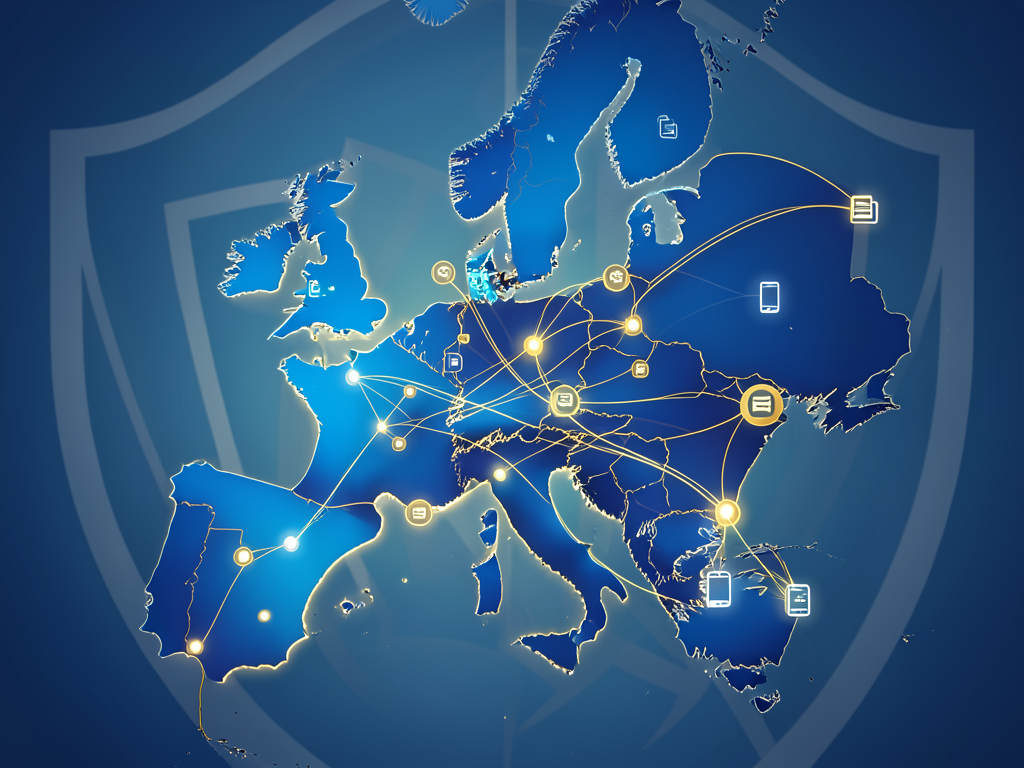
Five of Europe's largest payment platforms have signed a pact to create a shared network that will allow users to send money across borders without relying on American infrastructure. The European Network for Payments (ENP) connects Italy's Bancomat, Spain's Bizum, Portugal's MB WAY, the Nordic region's Vipps MobilePay and Europe's Wero under a single interoperability framework.
A Sovereign Payments Infrastructure
The European Commission has long flagged the region's dependence on a few large global payment players. Differences in technical standards for QR codes, NFC and Bluetooth have kept national systems isolated. The ENP solves this by acting as a common framework that lets users keep their favorite local app while sending money to any other ENP-connected country. Bancomat CEO Fabrizio Burlando described the approach as preserving "the diversity, trust and proximity" that each system has built in its own market.
The network currently covers more than 70% of the EU and Norway's combined population. The European Central Bank's data underscores why such a move is urgent: international card schemes dominate the region, creating a strategic vulnerability. By building its own infrastructure, Europe aims to secure digital sovereignty in retail payments.
Why This Matters
The ENP shifts control of cross-border payment data and transaction flows away from US technology companies. For consumers, this means faster and potentially cheaper transfers between EU countries without leaving their familiar banking apps. For merchants, the network promises lower processing fees compared to international card networks. Over time, reduced reliance on non-European infrastructure could also insulate the region from geopolitical disruptions or policy changes in the United States. If successful, the model could be expanded to other regions seeking similar digital independence.
What Comes Next
The European Network for Payments aims to have all three payment types live by the end of 2027. The founding members have left the door open for additional national schemes to join the federation. The initiative reflects a broader push within the bloc to build resilient, homegrown alternatives in critical financial services. As the ENP moves from memorandum to working infrastructure, it represents one of the most concrete steps yet toward a truly integrated European payments market.