Senior Editor: Alan Agbele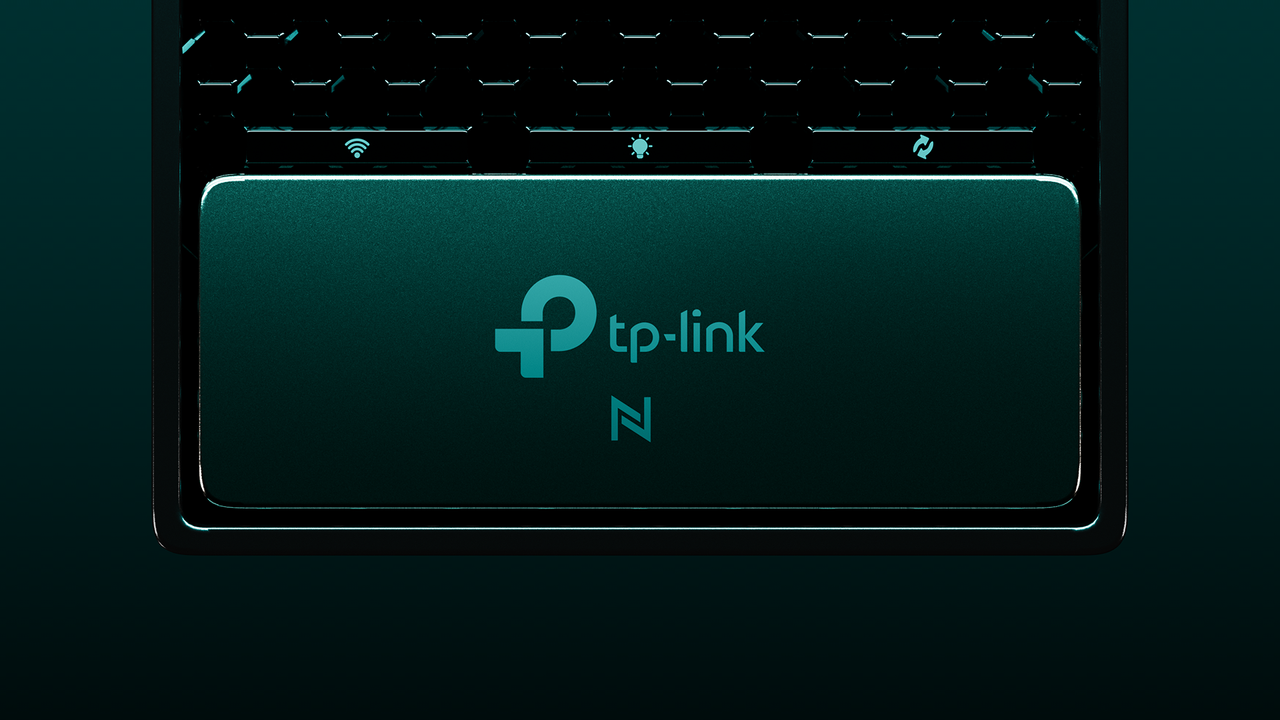
TP-Link has become the first major networking company to outline a consumer roadmap for Wi-Fi 8. The company announced its Archer 8 series of routers, which will support the next-generation 802.11bn standard. These devices are scheduled to arrive in October 2026, subject to Federal Communications Commission approval.
First Consumer Wi-Fi 8 Roadmap
Wi-Fi 8, also known as 802.11bn, follows Wi-Fi 7 and aims to deliver higher throughput and lower latency. The standard is expected to improve performance in dense environments with many connected devices. TP-Link's Archer 8 lineup will include multiple models designed for different home sizes and usage patterns.
The company has not disclosed specific hardware specs or pricing. TP-Link said it will share more details closer to the launch date. The FCC approval process is a key step before any commercial release.
What Wi-Fi 8 Offers
The Wi-Fi 8 standard introduces several technical enhancements over Wi-Fi 7. These include improved multi-link operation, better channel access coordination and advanced beamforming. The result is faster data transfers and more stable connections in crowded wireless environments.
Industry analysts expect Wi-Fi 8 to deliver peak speeds exceeding 30 Gbps under optimal conditions. Real-world performance will vary based on device support and network conditions. The standard also includes features to reduce power consumption for battery-powered devices.
Why This Matters
Consumers who upgrade to Wi-Fi 8 routers will benefit from faster home networks that can handle heavy workloads like 8K streaming, online gaming and video calls. The technology is particularly useful in households with many smart devices competing for bandwidth.
TP-Link's early move gives the company a potential advantage in the consumer router market. Competitors are likely to announce their own Wi-Fi 8 products in the coming months. The timeline of October 2026 suggests that Wi-Fi 8 adoption will ramp up slowly, giving consumers time to plan their upgrades.
Current Wi-Fi 7 routers remain a strong option for most users. Wi-Fi 8 will become relevant as device manufacturers integrate support into laptops, phones and other gear. For now, TP-Link's announcement signals the direction of home networking over the next few years.