Senior Editor: Alan Agbele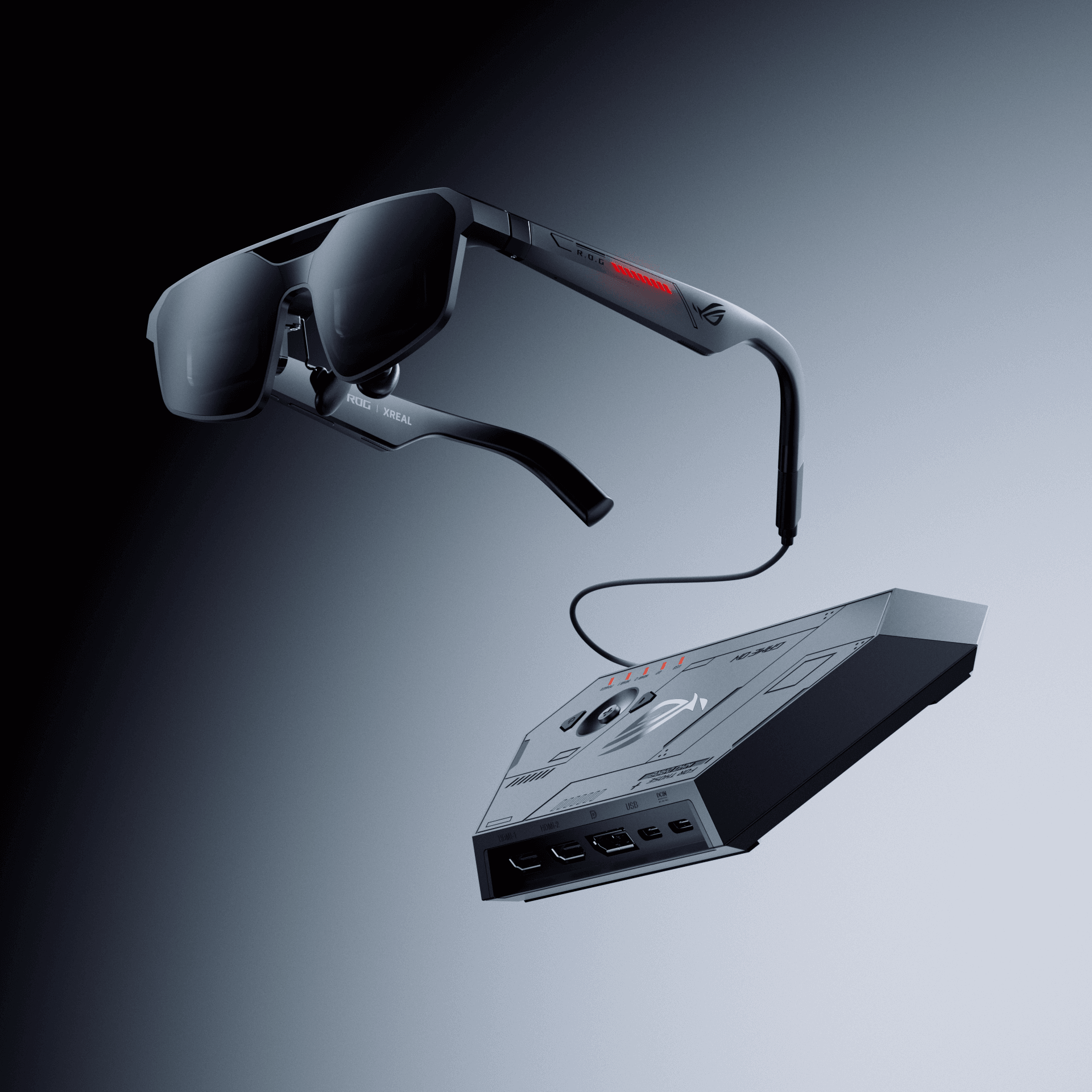
Wearable displays are taking a new turn. Instead of packing all processing power into the frame, a wave of tethered display glasses connects to a computer or phone via cable to project a massive virtual screen directly in front of the user. The approach strips away bulk and complexity, offering a lightweight face computer that prioritizes comfort and utility over self-contained spatial computing.
The Case for Simpler Face Computers
Mainstream smart glasses often chase all-in-one functionality, packing cameras, speakers and batteries into the frame. The result can be heavy, warm and expensive. Tethered display glasses take a different route. They shift computing and power to the device already in a user's pocket or bag. The glasses themselves become a slim, lightweight window into that device's screen.
This design choice brings several advantages. Users can recline or move naturally without a heavy headset pulling forward. The cable connection also ensures low latency and high bandwidth, enabling crisp video playback and responsive desktop mirroring. For professionals who need a portable second monitor or travelers who want a private cinema screen, these glasses offer a practical tool.
Why This Matters
The shift toward tethered displays signals a maturing market. Consumers have grown wary of bulky headsets that promise full immersion but deliver limited comfort. By offloading processing, these glasses solve the core tension between capability and wearability. They may not offer augmented reality overlays or spatial tracking, but they deliver the one feature most users actually need: a large, high-quality screen that goes anywhere.
For companies like Meta, which have invested heavily in standalone Ray-Bans and Quest headsets, the success of tethered glasses could force a rethink. If users consistently choose lightweight, wired solutions over all-in-one devices, the industry may need to reconsider where processing power belongs. The tethered approach also lowers the price barrier, making face computers accessible to a broader audience.
A New Category or a Niche?
Tethered display glasses will not replace virtual reality headsets for gaming or immersive experiences. They serve a different need: productivity, media consumption and private viewing. Early adopters include digital nomads, software developers and frequent flyers. As display technology improves and cables become less cumbersome, the appeal could widen.
The category faces challenges too. The tether itself can be cumbersome, and not all devices support video output over USB-C. Meanwhile, wireless streaming standards may eventually close the gap. But for now, these dorky-looking glasses provide a genuinely useful tool that many users may find more practical than the flashy alternatives.